



Trademark Valuation For Neural AI-Developed Smart Urban Brands.
1. Trademark Valuation in Context of AI-Developed Brands
Trademark valuation is the process of determining the monetary value of a brand’s intellectual property. For Neural AI-developed brands—smart urban products like AI-assisted mobility, smart city services, or intelligent retail brands—the valuation has unique challenges:
- Creation by AI: Trademarks generated or suggested by AI raise questions about ownership and originality.
- Consumer Recognition: Urban smart brands thrive on public recognition, making brand strength a key valuation factor.
- Market Potential: AI-generated brands may scale quickly in digital ecosystems.
- Licensing and Monetization: Trademarks can be licensed to other urban services (e.g., AI-powered transport, smart home devices).
Common methods of valuation:
- Cost-based: Based on development costs (less relevant for AI brands that have minimal manual costs but high algorithmic development costs).
- Market-based: Comparing similar urban tech brands’ trademark licensing or sale.
- Income-based: Future revenue attributable to the brand, often used for AI-driven service platforms.
2. Case Laws Illustrating Trademark Valuation Principles
Below are five detailed cases, each illustrating valuation, infringement, or AI/tech-related intellectual property considerations. While AI-specific cases are emerging, existing IP case law provides guiding principles.
Case 1: Starbucks Corp. v. Wolfe’s Borough Coffee, Inc. (2006, USA)
Facts: Starbucks sued Wolfe’s Borough Coffee for using a similar name “Charbucks.”
Legal Principle: Trademark valuation is not just economic but also includes brand dilution and market perception. Starbucks’ brand strength increased the damages awarded.
Valuation Insight:
- Brand Strength Matters: Stronger brands justify higher valuation.
- AI Application: Neural AI-developed brands in urban services can be valued higher if they rapidly gain consumer recognition and market presence.
Case 2: Adidas AG v. Fitnessworld Trading Ltd. (2003, UK)
Facts: Adidas claimed infringement of its three-stripe trademark by a retailer selling similar branded items.
Legal Principle: Trademark valuation considered market penetration and reputation. Courts examined royalty rates and profits lost.
Valuation Insight:
- For AI-generated smart city brands, the potential licensing revenue is crucial.
- Market simulation by AI: Neural AI can project brand adoption rates, strengthening valuation.
Case 3: Frito-Lay, Inc. v. Princeton Vanguard, LLC (2014, USA)
Facts: Frito-Lay challenged a competitor’s chips packaging which mimicked their look and feel.
Legal Principle: Trade dress protection is an extension of trademarks. Value is determined by consumer confusion and sales impact.
Valuation Insight:
- AI-developed urban brands may include logos, product packaging, and digital interface designs.
- Valuation should include digital visual identity, not just the name.
Case 4: Apple Inc. v. Samsung Electronics Co. (2012, USA)
Facts: Apple sued Samsung for copying smartphone designs and UI elements.
Legal Principle: Trademark and design rights valuation include projected sales loss, damages, and licensing potential.
Valuation Insight:
- Neural AI-generated urban brands could be part of smart devices or IoT products.
- Future-proofing the brand: AI can simulate different branding scenarios, enhancing accurate valuation.
Case 5: Yahoo! Inc. v. La Ligue Contre Le Racisme et l’Antisémitisme (2006, France)
Facts: Yahoo! was held accountable for selling items with infringing trademarks in international markets.
Legal Principle: Trademark valuation must consider global reach and cross-border enforcement.
Valuation Insight:
- AI-developed urban brands often have digital-first global presence.
- International valuation models should include online presence and digital brand recognition.
Additional Considerations for Neural AI-Developed Smart Urban Brands
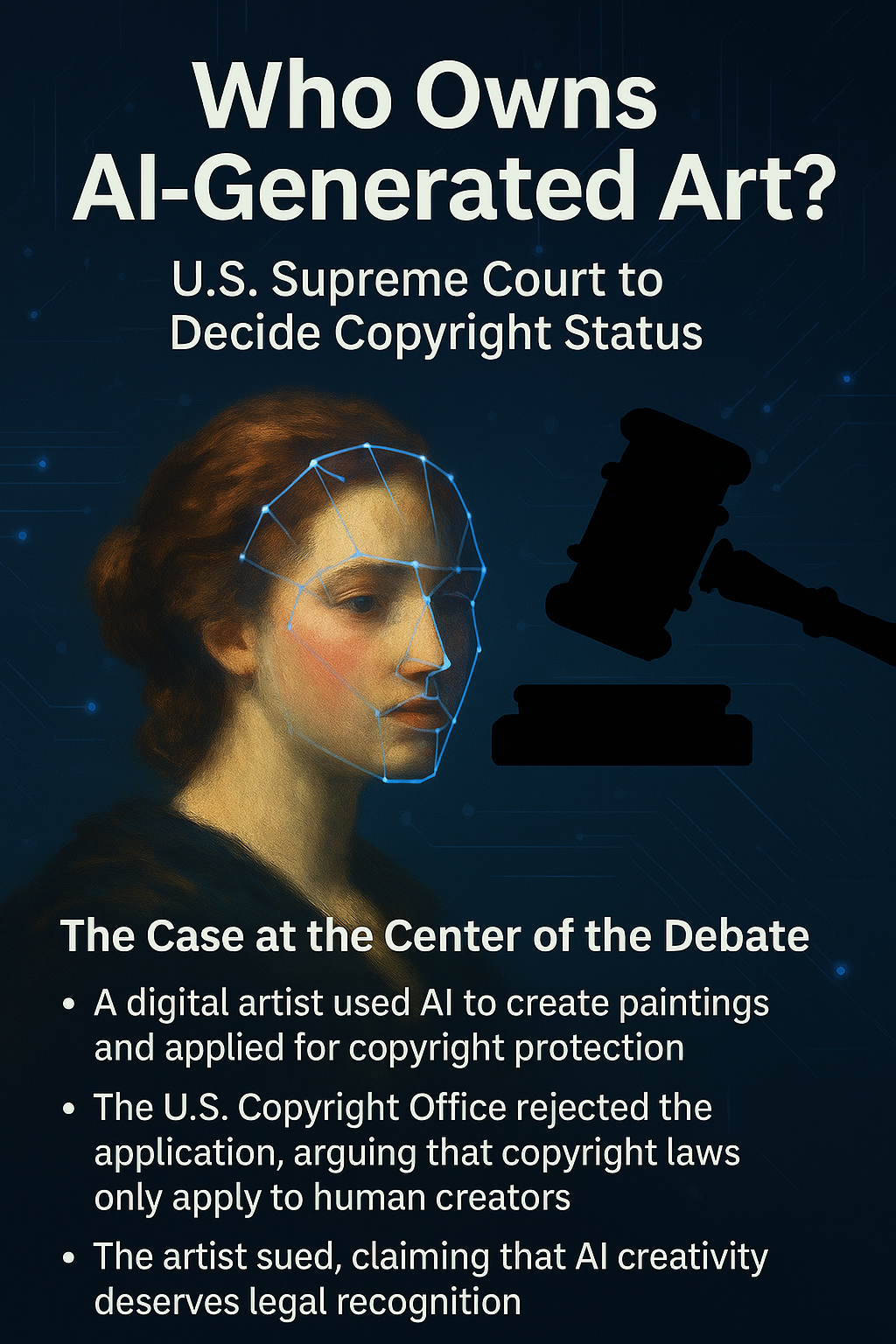
- Ownership and IP Rights: Who owns a trademark suggested by AI? Generally, human creators or the entity that owns the AI may hold rights. This affects valuation.
- AI-generated Creativity: AI can produce multiple brand variations quickly; valuation may involve algorithmic novelty and market testing data.
- Consumer Perception and AI Branding: Neural AI can run simulations to predict urban consumer acceptance and optimize branding strategies.
- Revenue Attribution: Urban brands often integrate with multiple services (transport, IoT, e-commerce). Valuation must apportion revenue streams to each brand element.
Summary Table: Case Insights for AI Brand Valuation
| Case | Key Lesson | AI Brand Implication |
|---|---|---|
| Starbucks v. Wolfe’s Borough | Brand strength drives valuation | Rapid AI brand recognition increases value |
| Adidas v. Fitnessworld | Market penetration & royalties | Licensing potential for urban AI brands |
| Frito-Lay v. Princeton Vanguard | Trade dress adds value | Visual identity for smart urban products |
| Apple v. Samsung | Design rights & projected sales | AI UI/UX branding valuation |
| Yahoo! v. La Ligue | Global presence & cross-border rights | Digital-first AI brands require international valuation |

RELATED Blog



comments