



Protection Of Algorithmic Invention Forecasting Tools In Research Governance.
Protection of Algorithmic Invention Forecasting Tools in Research Governance
1. Introduction
Algorithmic invention forecasting tools are AI-driven systems used in research governance to:
- predict future inventions and patents
- identify high-value research areas
- forecast scientific breakthroughs
- map innovation trends (AI, biotech, energy, etc.)
- guide funding decisions in universities, governments, and R&D institutions
These tools are used by:
- governments (innovation policy planning)
- universities (research prioritization)
- corporations (R&D strategy)
- patent offices (prior art analysis, patent landscaping)
The key legal issue is:
How can we protect AI-based forecasting tools while ensuring they remain transparent and fair in public research governance?
2. Legal Challenges
(A) Patentability of Forecasting Algorithms
- Are predictive models “technical inventions” or abstract ideas?
(B) Copyright Protection
- Protects code, but not predictions or outputs
(C) Trade Secrets vs Public Governance
- Governments want transparency
- Companies want secrecy
(D) Data Dependency Problem
- Forecasting tools rely on:
- scientific publications
- patent databases
- research datasets
Who owns derived insights?
(E) Accountability Risk
- If forecasted innovation priorities are wrong:
- who is responsible?
3. Nature of Algorithmic Invention Forecasting Tools
These systems typically use:
- machine learning trend analysis
- citation network mapping
- patent clustering algorithms
- NLP-based scientific literature mining
- predictive innovation scoring systems
Examples:
- predicting “next breakthrough in battery technology”
- forecasting biotech patent surges
- identifying emerging AI research fields
4. Case Laws (Detailed Analysis)
1. Gottschalk v. Benson
Facts:
A mathematical algorithm for converting binary-coded decimals into pure binary was patented.
Judgment:
- Court rejected patentability
- Held that abstract algorithms are not patentable
Legal Principle:
Abstract ideas and mathematical formulas cannot be patented.
Relevance:
Algorithmic forecasting tools often rely on:
- mathematical models
- statistical prediction systems
👉 If the invention forecasting tool is purely algorithmic:
- it may be considered non-patentable abstract logic
2. Diamond v. Diehr
Facts:
A computer-controlled rubber curing process was patented.
Judgment:
- Patent allowed
- Because it applied algorithm in a technical industrial process
Legal Principle:
- Algorithms are patentable when integrated into a technical application
Relevance:
If invention forecasting tools are used in:
- patent examination systems
- automated R&D optimization platforms
👉 They may be patentable if they:
- improve technical processes in research governance
3. Alice Corp. v. CLS Bank International
Facts:
Patent on computerized financial settlement system.
Judgment:
- Invalidated patent
- Held that implementing abstract ideas on a computer is not enough
Legal Principle:
Two-step test:
- Is it an abstract idea?
- Does it add inventive concept?
Relevance:
Many invention forecasting tools:
- analyze research trends
- generate predictive insights
👉 If they only automate known analytical methods:
- they are not patentable
4. Mayo Collaborative Services v. Prometheus Laboratories, Inc.
Facts:
Patent on medical diagnostic correlation between drug dosage and metabolite levels.
Judgment:
- Invalidated patent
- Natural laws + routine steps not patentable
Legal Principle:
- Natural phenomena and correlations are not inventions
Relevance:
Invention forecasting tools rely on:
- correlation between research activity and innovation trends
👉 If the system merely detects natural research patterns:
- it may fail patent protection
5. State Street Bank & Trust Co. v. Signature Financial Group
Facts:
Patent on computerized financial data processing system.
Judgment:
- Allowed software patents producing “useful, concrete, tangible result”
Legal Principle:
- Software producing practical output can be patented
Relevance:
Forecasting tools that:
- guide government funding decisions
- allocate research grants
- optimize innovation ecosystems
👉 May be patentable if they produce tangible governance outcomes
6. Feist Publications, Inc. v. Rural Telephone Service Co.
Facts:
Copyright dispute over telephone directory.
Judgment:
- No copyright in mere facts or data listings
Legal Principle:
- Data must show originality in arrangement or selection
Relevance:
Invention forecasting tools rely on:
- patent data
- publication datasets
- research metadata
👉 Raw innovation data is not protected
Only curated predictive models may be protected
7. Authors Guild v. Google, Inc.
Facts:
Google digitized books for search and analytics.
Judgment:
- Fair use due to transformative purpose
Legal Principle:
- Large-scale data transformation for search/analysis is lawful
Relevance:
Forecasting tools:
- transform scientific literature into prediction models
👉 Strong support for legality of:
- AI-based research forecasting systems in governance
8. R (Bridges) v. Chief Constable of South Wales Police
Facts:
Facial recognition used in public policing.
Judgment:
- Unlawful due to lack of safeguards and transparency
Legal Principle:
- Algorithmic public systems must be:
- transparent
- proportionate
- non-discriminatory
Relevance:
If forecasting tools influence:
- research funding decisions
- national innovation priorities
👉 They must be:
- explainable
- auditable
- free from hidden bias
9. Justice K.S. Puttaswamy (Retd.) v. Union of India
Facts:
Aadhaar biometric identity system challenged.
Judgment:
- Privacy is a fundamental right
Legal Principle:
- Data use must be necessary and proportionate
Relevance:
Forecasting tools use:
- researcher data
- publication behavior
- institutional analytics
👉 Must ensure:
- privacy protection
- minimal data intrusion
- lawful processing
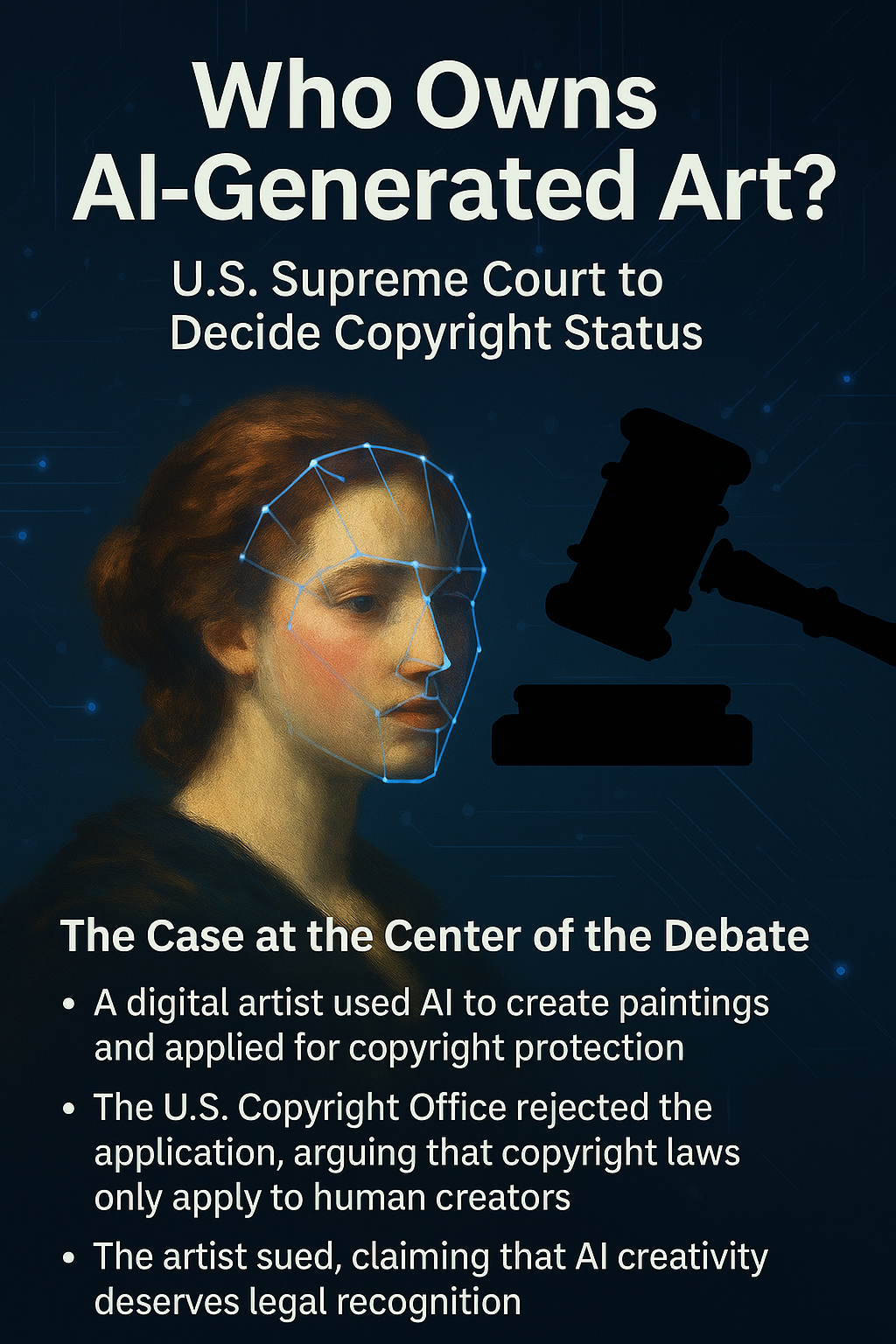
10. Thaler v. Commissioner of Patents
Facts:
AI listed as inventor in patent application.
Judgment:
- AI cannot be inventor
Legal Principle:
- Only humans can be legal inventors
Relevance:
Even if forecasting tools predict inventions:
- they cannot be treated as inventors
👉 Human researchers or institutions retain legal rights
5. Core Legal Principles from Case Law
(1) Abstract Algorithm Rule
- Pure prediction models are not patentable
(2) Technical Application Requirement
- Forecasting tools become patentable only when tied to real-world systems
(3) Transformation Doctrine
- Converting research data into predictive governance insights supports protection
(4) Transparency Requirement in Public Governance
- Algorithmic forecasting used by governments must be explainable
(5) Data ≠ Ownership of Knowledge
- Raw research data is not protected IP
(6) Human Inventorship Rule
- AI cannot own or be credited as inventor
6. Governance Implications
A. For Governments
- Must ensure forecasting tools:
- are transparent
- do not bias funding allocation
- remain accountable under administrative law
B. For Universities
- Can protect tools as:
- copyrighted software
- patented systems (if technical)
C. For Private Companies
- Strongest protection lies in:
- trade secrets
- proprietary models
- But limited in public sector use
7. Conclusion
Algorithmic invention forecasting tools in research governance sit in a legally complex zone:
They are often too abstract for strong patent protection, yet too valuable for unrestricted public access.
From case law, the consistent legal position is:
- Algorithms alone are not inventions
- Applied technical forecasting systems may be protected
- Public governance use demands transparency over secrecy
- AI cannot be recognized as an inventor or rights holder

RELATED Blog



comments