



Ipr In Wipo-Administered Licensing For Digital Creative Ip.
1. Introduction
Digital creative intellectual property (IP) includes:
Digital art
Music and audiovisual works
Software and multimedia content
Online publications
NFTs and digital assets
Interactive media and gaming content
With the growth of digital platforms, licensing has become essential to regulate how creators allow others to use, distribute, or commercialize digital works.
The World Intellectual Property Organization (WIPO) plays a key role in administering international frameworks for IP licensing, dispute resolution, and rights protection through:
International treaties
Arbitration and mediation services
Copyright registration frameworks
Global licensing standards
2. Role of WIPO in Digital Creative IP Licensing
A. WIPO Copyright Treaty (WCT)
The WCT strengthens protection for digital works by:
Recognizing digital reproduction rights.
Protecting technological protection measures (TPMs).
Supporting online licensing structures.
B. WIPO Performances and Phonograms Treaty (WPPT)
Provides licensing rights for:
Performers
Music producers
Digital streaming rights.
C. WIPO Arbitration and Mediation Center
WIPO provides alternative dispute resolution mechanisms for:
Licensing disputes.
Domain name conflicts.
Digital content rights management.
These mechanisms are faster and international compared to traditional litigation.
D. Collective Licensing and Rights Management
WIPO promotes:
Collective management organizations.
Cross-border licensing systems.
3. Types of Digital Creative IP Licensing under WIPO Framework
A. Copyright Licensing
Licensing for:
Streaming platforms
Digital downloads
Online publishing
Includes:
Exclusive licenses
Non-exclusive licenses
Compulsory licenses in certain cases.
B. Trademark Licensing
Brand names used in:
Digital content platforms.
Online entertainment services.
C. Software Licensing
Digital creative tools and multimedia software are licensed under:
Open-source licenses.
Proprietary licensing models.
D. Database and Digital Content Licensing
Licensing of data compilations and digital archives.
4. Legal Challenges in WIPO-Administered Licensing
Cross-border jurisdiction issues.
Online piracy and unauthorized distribution.
Digital rights management enforcement.
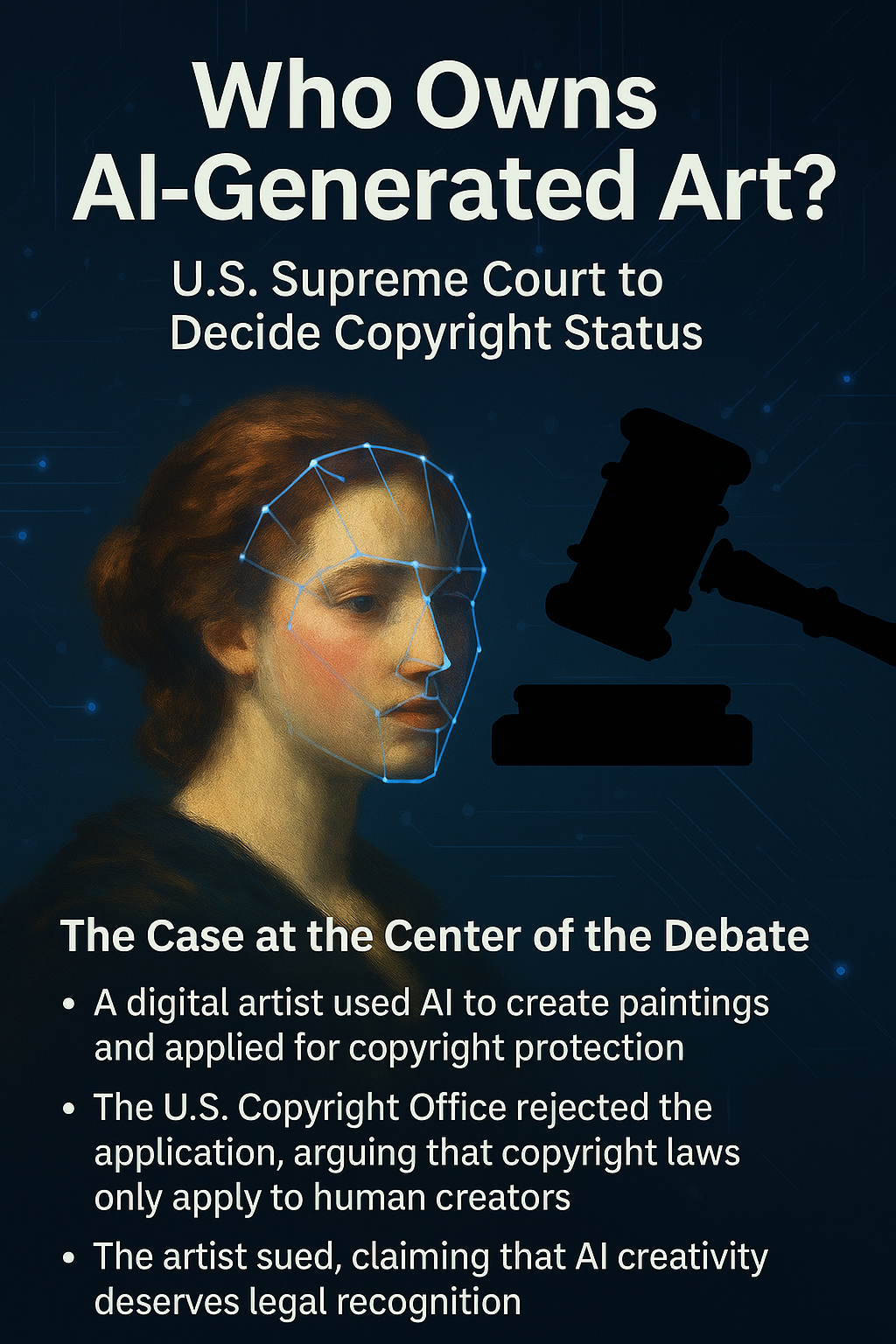
AI-generated creative works.
Ownership disputes in collaborative digital creations.
5. Case Laws Related to Digital Creative IP Licensing
Below are important cases illustrating principles relevant to WIPO-administered licensing and international digital IP frameworks.
Case 1: Authors Guild v. Google Inc. (Google Books Case)
Facts
Google digitized millions of books to create a searchable database. Authors claimed copyright infringement.
Legal Issue
Whether digitization for search and indexing violated copyright.
Judgment
The court ruled that Google’s use constituted fair use.
Relevance to WIPO Licensing
Demonstrates balance between copyright protection and innovation.
Influences licensing strategies for digital libraries and archives.
Case 2: Viacom International Inc. v. YouTube Inc.
Facts
Viacom sued YouTube alleging unauthorized hosting of copyrighted videos.
Legal Issue
Liability of digital platforms for user-uploaded content.
Judgment
Court emphasized safe harbor protections where platforms remove infringing content upon notice.
Impact
Licensing agreements must account for platform liability.
WIPO frameworks encourage rights management systems.
Case 3: SAS Institute Inc. v. World Programming Ltd
Facts
SAS claimed infringement of software elements.
Legal Issue
Protection of software functionality versus expression.
Judgment
Programming languages and functionality are not copyright-protected; specific code is protected.
Relevance
Important for licensing digital creative software.
Influences interoperability licensing in global frameworks.
Case 4: Oracle America Inc. v. Google LLC
Facts
Oracle alleged Google copied Java APIs.
Legal Issue
Copyrightability of APIs.
Judgment
Use of APIs was considered fair use.
Impact
Affects licensing of developer tools and digital platforms.
Supports innovation while protecting creative expression.
Case 5: Capitol Records LLC v. ReDigi Inc.
Facts
ReDigi allowed resale of digital music files.
Legal Issue
Whether digital resale violated copyright.
Judgment
Court ruled resale infringed reproduction rights because copies were created.
Importance
Digital licensing must specify resale rights.
Influences WIPO discussions on digital exhaustion doctrine.
Case 6: Nintendo Co. Ltd v. PC Box Srl
Facts
Nintendo challenged devices bypassing technological protection measures.
Legal Issue
Legality of circumvention technologies.
Judgment
Court supported protection of DRM measures.
Impact
WIPO treaties protect technological protection measures.
Licensing often includes DRM obligations.
Case 7: Blizzard Entertainment v. BnetD
Facts
Private servers used Blizzard’s game software without authorization.
Legal Issue
Violation of software licensing terms.
Judgment
Court enforced licensing agreements and anti-circumvention provisions.
Relevance
Shows enforceability of digital licensing terms.
Important for gaming and creative digital platforms.
6. Benefits of WIPO-Administered Licensing
International standardization.
Efficient dispute resolution through arbitration.
Reduced litigation costs.
Global recognition of licensing agreements.
7. Emerging Trends
NFT-based licensing models.
AI-generated digital content licensing.
Blockchain-based copyright management.
Metaverse creative IP licensing.
Conclusion
WIPO-administered licensing plays a crucial role in regulating digital creative IP globally by harmonizing legal standards, facilitating cross-border licensing, and offering dispute resolution mechanisms. Case laws involving digital platforms, software copyright, DRM, and digital resale illustrate evolving legal principles shaping international licensing frameworks.
RELATED Blog



comments