


IP Concerns In Autonomous Smart City Systems.
1. Patent Protection in Smart City Technologies
Autonomous smart city systems rely on patented technologies such as traffic optimization algorithms, autonomous public transport systems, energy management modules, and sensor networks. Patents ensure inventors can exclude others from using, selling, or distributing these technologies without permission.
Case Law: Diamond v. Chakrabarty
Facts: A genetically engineered bacterium capable of breaking down oil was initially rejected for patent protection.
Decision: The Supreme Court allowed patenting of human-made inventions.
Relevance: This principle extends to smart city technologies, confirming that human-engineered innovations such as autonomous traffic routing or energy optimization systems are patentable if novel and non-obvious.
Case Law: Apple Inc. v. Samsung Electronics Co.
Facts: Apple alleged Samsung copied iPhone designs.
Decision: Design patents protect ornamental and functional design.
Relevance: Smart city systems often involve unique vehicle or sensor hardware designs; copying without permission may lead to patent/design infringement.
2. Copyright Issues in Software and Algorithms
Smart city systems depend heavily on software: AI-based surveillance, traffic prediction models, public transport scheduling, and energy consumption analytics. Copyright protects the expression of software (code, documentation), not the underlying ideas.
Case Law: Oracle America, Inc. v. Google LLC
Facts: Google copied parts of Java APIs for Android.
Decision: The court applied fair use doctrine for interoperability.
Relevance: Autonomous smart city platforms may integrate third-party APIs. Use may be allowed under fair use if necessary for system interoperability or public service deployment.
Case Law: SAS Institute Inc. v. World Programming Ltd.
Facts: WPL replicated SAS software functionality without copying code.
Decision: Copyright does not protect functionality, only code and expression.
Relevance: Smart city software developers can recreate algorithms or analytics methods independently, but copying code constitutes infringement.
3. Trade Secret Protection in Smart City Algorithms
Many AI and analytics systems in smart cities are proprietary and confidential, making trade secret protection critical. This includes algorithms for traffic flow optimization, predictive maintenance, or energy load balancing.
Case Law: Kewanee Oil Co. v. Bicron Corp.
Facts: Employees disclosed confidential industrial processes.
Decision: Trade secrets are enforceable under state law and not preempted by patent law.
Relevance: Proprietary smart city algorithms are protected if companies take reasonable steps to maintain secrecy, including contracts, encryption, and access controls.
4. Data Ownership in Autonomous Smart Cities
Smart city systems generate enormous amounts of data from sensors, cameras, GPS, IoT devices, and citizen interactions. Determining who owns this data—government, city authorities, private companies, or citizens—is a major IP and legal concern.
Case Law: Feist Publications, Inc. v. Rural Telephone Service Co.
Facts: Copyright dispute over a telephone directory.
Decision: Facts themselves are not copyrightable, but creative arrangement may be.
Relevance: Raw data collected by autonomous sensors (traffic counts, energy usage) may not be protected, but aggregated or analyzed datasets can be copyrighted or protected as proprietary compilations.
Case Law: Google LLC v. Oracle America
Highlights importance of distinguishing data expression vs. factual content in software-driven urban analytics.
5. Licensing and Third-Party Software Issues
Smart city systems integrate third-party IoT platforms, cloud services, and AI software. Licensing agreements may limit reverse engineering, copying, or redistribution.
Case Law: Bowers v. Baystate Technologies, Inc.
Facts: Reverse engineering of licensed software was prohibited.
Decision: License terms restricting reverse engineering are enforceable.
Relevance: Smart city operators must comply with third-party software licenses when customizing or maintaining autonomous systems.
6. Contributory IP Infringement
Autonomous smart city systems may allow third-party applications to run on city platforms (e.g., navigation apps, ride-sharing, delivery drones). If these apps infringe on IP rights, platform operators may face contributory liability.
Case Law: Sony Corp. of America v. Universal City Studios
Facts: Sale of video recorders used to copy TV broadcasts.
Decision: Manufacturers are not liable if the technology has substantial non-infringing uses.
Relevance: Autonomous city platforms enabling diverse applications may avoid liability if the platform’s primary purpose is legitimate and innovative.
Case Law: MDY Industries, LLC v. Blizzard Entertainment, Inc.
Facts: Software allowed players to violate game rules.
Decision: Developers may be liable for contributory infringement if knowingly enabling unauthorized use.
Relevance: Smart city platforms must ensure third-party apps or modules comply with licensing and IP law.
7. Industrial Design and Hardware Protection
Smart city infrastructure involves autonomous vehicles, drones, sensor arrays, and robotic maintenance units. Distinctive hardware designs can be protected via design patents or industrial designs.
Case Law: Apple v. Samsung (design)
Reinforces that copying distinctive visual or functional hardware features without permission may constitute infringement.
8. Emerging Issues: AI-Generated IP in Smart Cities
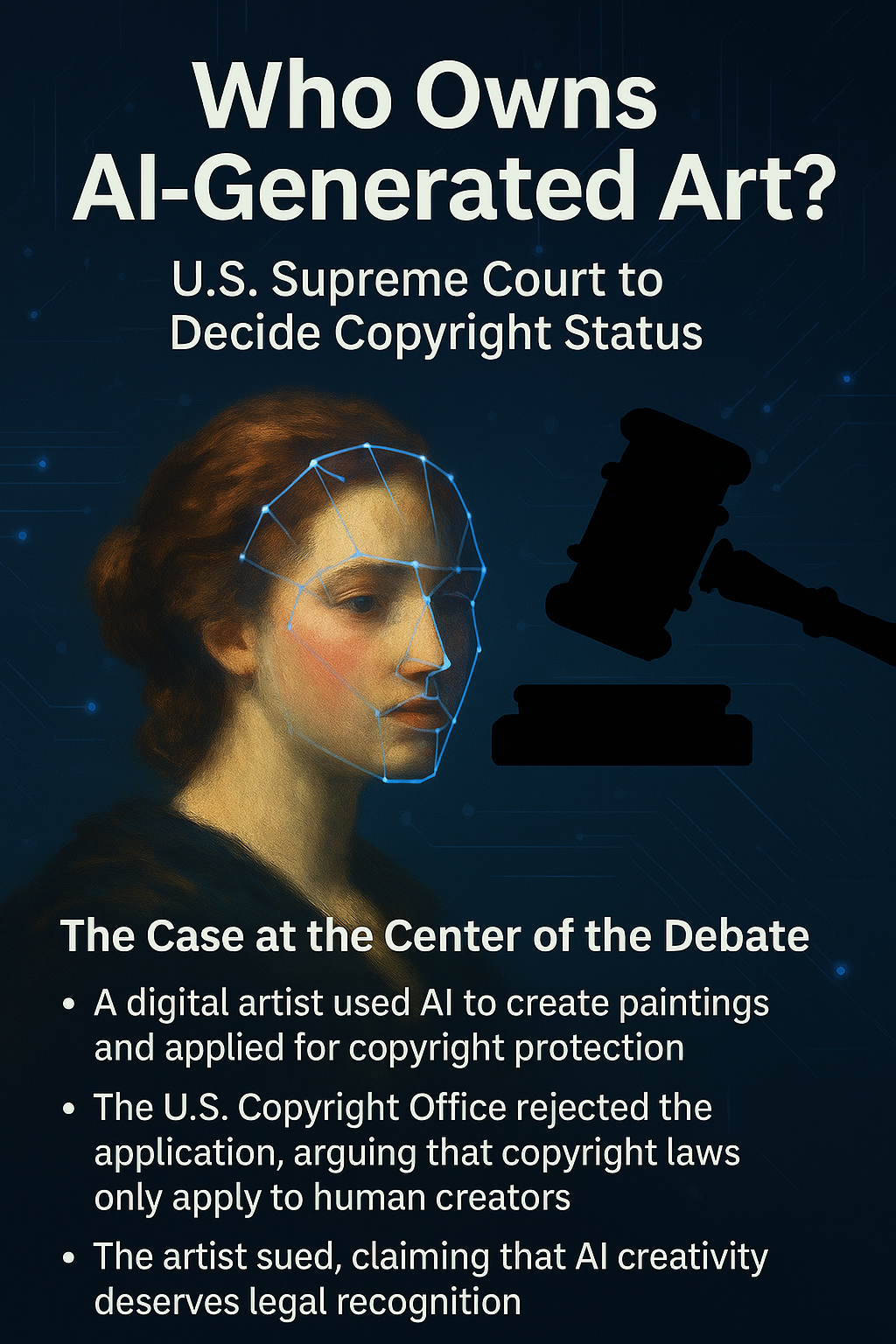
Autonomous smart city systems increasingly generate AI outputs, like predictive traffic models or optimized energy schedules. Determining ownership of AI-generated works is a new frontier in IP law.
Who owns AI-generated IP: system developer, municipality, or third-party service provider?
Courts are beginning to address similar issues in AI-generated software and creative works.
Conclusion
Autonomous smart city systems present multifaceted IP challenges:
Patent Protection: Autonomous urban robots, traffic systems, and sensor innovations
Copyright Protection: Software, AI algorithms, and platform interfaces
Trade Secrets: Proprietary AI models, analytics, and operational algorithms
Data Ownership: Aggregated datasets from IoT devices and urban monitoring
Licensing and Reverse Engineering: Third-party software and hardware integration
Contributory Infringement: Liability for third-party applications
Industrial Design Protection: Robotic and hardware infrastructure designs
AI-Generated IP: Ownership of AI outputs and derivative works
Key Case Laws Referenced:
Diamond v. Chakrabarty
Apple Inc. v. Samsung Electronics Co.
Oracle America, Inc. v. Google LLC
SAS Institute Inc. v. World Programming Ltd.
Kewanee Oil Co. v. Bicron Corp.
Feist Publications, Inc. v. Rural Telephone Service Co.
Bowers v. Baystate Technologies, Inc.
Sony Corp. of America v. Universal City Studios
MDY Industries, LLC v. Blizzard Entertainment, Inc.
These cases guide IP protection strategies for software, hardware, data, and AI systems in autonomous smart cities.
RELATED Blog





comments