


Advanced Constitutional Meaning Of Equality Beyond Formal Equality.
1. Concept Overview
In Indian constitutional law, equality is not limited to “formal equality” (i.e., treating everyone exactly the same). Instead, it has evolved into a substantive, result-oriented, and justice-based concept under Article 14 of the Constitution of India.
Formal Equality vs Substantive Equality
- Formal equality: Treats likes alike; prohibits explicit discrimination.
- Substantive equality: Recognizes historical disadvantage, structural inequality, and social realities, and permits differential treatment to achieve real equality of outcome.
Indian courts have interpreted equality as a dynamic doctrine aimed at social justice, not a rigid rule of identical treatment.
2. Constitutional Foundations of Substantive Equality
Substantive equality in India is derived from:
- Article 14 – Equality before law + equal protection of laws
- Article 15 – Permits affirmative action for disadvantaged groups
- Article 16 – Equality of opportunity in public employment
- Preamble – Justice (social, economic, political)
- Directive Principles (DPSP) – Especially Articles 38, 39, 46
3. Core Dimensions of Equality Beyond Formal Equality
(A) Reasonable Classification Doctrine
Allows classification if:
- Intelligible differentia exists
- Rational nexus with objective exists
This moves equality away from sameness toward contextual fairness.
(B) Anti-Arbitrariness Principle
Equality also means non-arbitrariness in State action, even if classification is absent.
(C) Affirmative Action / Protective Discrimination
Unequal treatment is permitted to uplift disadvantaged groups.
(D) Substantive Equality of Opportunity
Focus is on real access, not just formal access.
(E) Transformative Equality
Constitution aims to transform society by correcting historical injustice.
4. Important Case Laws (Minimum 6)
1. E.P. Royappa v. State of Tamil Nadu (1974)
Principle:
Equality is antithetical to arbitrariness.
Key Holding:
- Article 14 is a dynamic concept
- Equality and arbitrariness are “sworn enemies”
- Any arbitrary State action violates equality
Importance:
This case shifted equality from classification-based formal equality to fairness-based substantive equality.
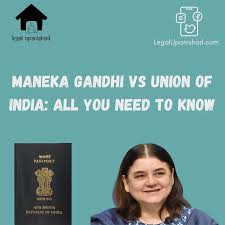
2. Maneka Gandhi v. Union of India (1978)
Principle:
Introduced procedural fairness as part of equality and liberty
Key Holding:
- Laws affecting rights must be fair, just, and reasonable
- Article 14, 19, and 21 are interlinked
Importance:
Expanded equality into due process fairness, not just equal treatment.
3. State of Kerala v. N.M. Thomas (1976)
Principle:
Equality permits affirmative action to achieve real equality
Key Facts:
Promotion relaxation for SC/ST employees was challenged.
Judgment:
- Article 14 allows compensatory discrimination
- Formal equality is insufficient in unequal society
Importance:
Landmark case establishing substantive equality through reservations and relaxation policies.
4. Indra Sawhney v. Union of India (1992)
Principle:
Affirmative action is constitutional but must remain within limits.
Key Findings:
- Upheld OBC reservations
- Introduced “creamy layer exclusion”
- Emphasized balancing equality with social justice
Importance:
Defined equality as balancing merit with historical disadvantage.
5. Navtej Singh Johar v. Union of India (2018)
Principle:
Equality includes dignity, identity, and non-discrimination of sexual orientation
Key Holding:
- Struck down criminalization of consensual same-sex relations (Section 377 IPC in part)
- Recognized constitutional morality over social morality
- Affirmed substantive equality for LGBTQ+ persons
Importance:
Expanded equality into identity-based and dignity-based equality, not just formal legal equality.
6. Joseph Shine v. Union of India (2018)
Principle:
Equality protects against gender-based stereotypes
Key Holding:
- Struck down adultery law as unconstitutional
- Law treated women as subordinate to men
- Violated Article 14, 15, and 21
Importance:
Equality includes freedom from patriarchal assumptions, not just identical treatment.
7. E.V. Chinnaiah v. State of Andhra Pradesh (2005)
Principle:
Equality applies within affirmative action structures as well.
Key Holding:
- SC/ST groups form a single homogeneous class for reservation
- Sub-classification within SC category not permitted (later revisited in jurisprudence)
Importance:
Explores limits of classification within substantive equality framework.
8. Lt. Col. Nitisha v. Union of India (2021)
Principle:
Introduced indirect discrimination doctrine in India
Key Holding:
- Even neutral policies can create unequal outcomes
- Women officers in Army faced structural disadvantage in permanent commission
Importance:
Strong recognition of substantive equality over facial neutrality.
5. Evolution of Equality Doctrine in India
Phase 1: Formal Equality
- Focus on identical treatment
- Based on classification doctrine
Phase 2: Anti-Arbitrariness
- Royappa, Maneka Gandhi
- Equality = fairness in State action
Phase 3: Affirmative Equality
- N.M. Thomas, Indra Sawhney
- Correcting historical injustice
Phase 4: Transformative Equality
- Navtej Singh Johar, Joseph Shine, Nitisha
- Focus on dignity, identity, and structural discrimination
6. Key Features of Advanced Constitutional Equality
Modern Indian equality doctrine includes:
- Equality as fairness, not sameness
- Recognition of historical and structural disadvantage
- Protection against indirect discrimination
- Emphasis on dignity and autonomy
- Acceptance of affirmative action as constitutional necessity
- Move toward transformative constitutionalism
7. Conclusion
The Indian Constitution does not guarantee mere formal equality of treatment, but a deeper vision of substantive equality, which ensures:
Equality is achieved not when everyone is treated the same, but when everyone has real and meaningful access to opportunities, dignity, and justice.
Through landmark cases like E.P. Royappa, N.M. Thomas, Indra Sawhney, Navtej Singh Johar, and Nitisha, the Supreme Court has transformed Article 14 into a powerful tool of social transformation and constitutional justice.
RELATED Blog






comments