


Share Capital Vs Stated Capital.
Share Capital vs Stated Capital
1. Meaning of Share Capital



4
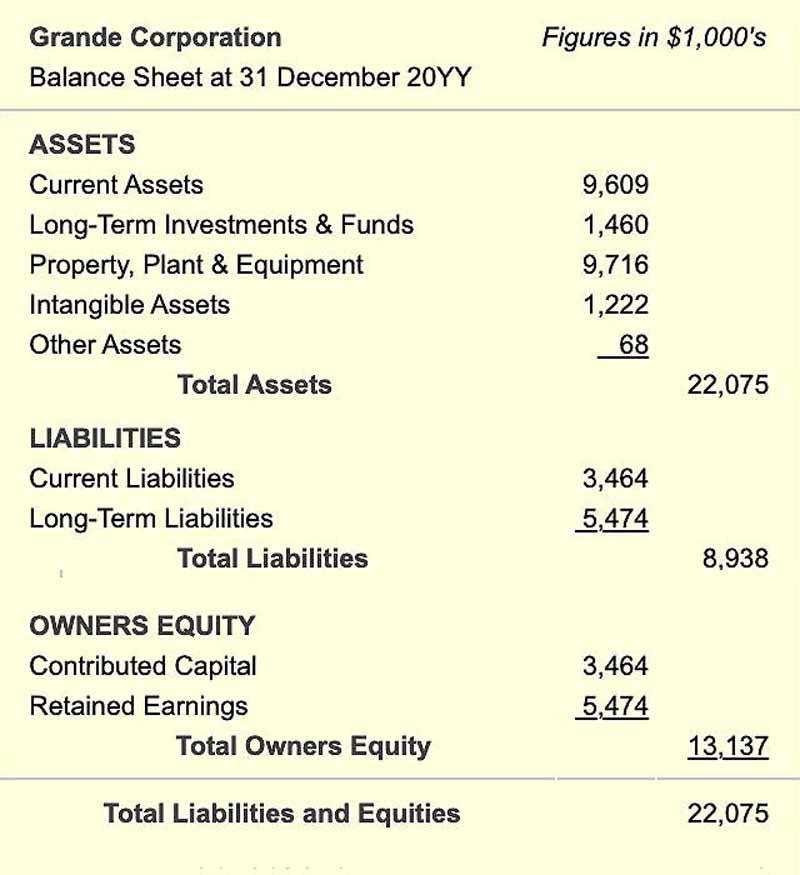
Share Capital refers to the total amount of money raised by a company through the issue of shares to shareholders. It represents the ownership interest in a company and forms a core part of its financing.
Types of Share Capital
- Authorized Capital – Maximum capital a company is allowed to issue.
- Issued Capital – Portion offered to investors.
- Subscribed Capital – Portion accepted by investors.
- Paid-up Capital – Amount actually paid by shareholders.
Legal Nature
- Governed by company law statutes such as the Companies Act, 2013 (India) or Companies Act 2006 (UK).
- Historically linked to the doctrine of capital maintenance.
- Acts as a creditor protection mechanism.
2. Meaning of Stated Capital

4
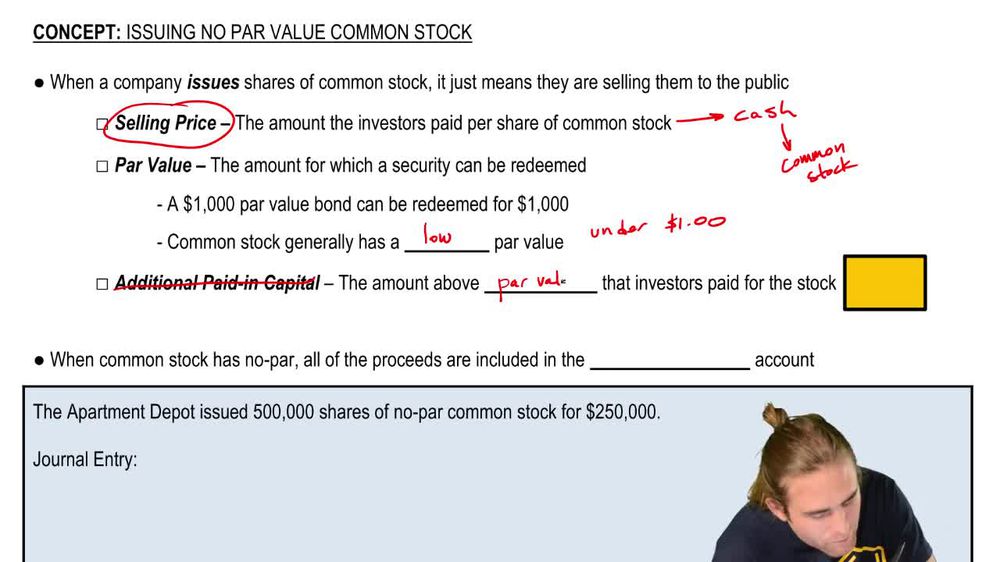
Stated Capital is a modern accounting concept representing the total value of shares issued by a company, often replacing the traditional notion of nominal or par value capital.
Key Features
- Common in jurisdictions like Canada and some modern corporate systems.
- Applies especially to no-par value shares.
- Includes:
- Issue price of shares
- Share premium (in many systems, merged into stated capital)
Legal Nature
- Focuses on accounting reality rather than nominal value.
- Greater flexibility in capital structuring.
- Less rigid than traditional share capital rules.
3. Key Differences Between Share Capital and Stated Capital
| Basis | Share Capital | Stated Capital |
|---|---|---|
| Concept | Traditional legal concept | Modern accounting/legal hybrid |
| Par Value | Based on nominal/par value | Often no par value |
| Structure | Authorized, issued, subscribed, paid-up | Single consolidated account |
| Flexibility | Rigid (capital maintenance doctrine) | Flexible (board discretion) |
| Jurisdiction | UK, India, common law systems | Canada, some modern regimes |
| Share Premium | Separate account | Often included in stated capital |
| Creditor Protection | Strong emphasis | Reduced formalism |
4. Legal Doctrinal Distinction
Share Capital Approach
- Emphasizes nominal value and legal capital rules
- Strict procedures for:
- Reduction of capital
- Buybacks
- Dividend distribution
Stated Capital Approach
- Emphasizes economic substance
- Removes artificial distinctions between:
- Par value
- Premium
- Allows:
- Easier restructuring
- Simplified accounting
5. Case Laws on Share Capital (Traditional System)
(1) Trevor v Whitworth (1887)
- Established that a company cannot purchase its own shares.
- Reinforced capital maintenance doctrine.
(2) Ooregum Gold Mining Co of India v Roper (1892)
- Shares cannot be issued at a discount.
- Protects nominal capital integrity.
(3) Re Exchange Banking Co (Flitcroft’s Case) (1882)
- Dividends cannot be paid out of capital.
- Directors liable for wrongful distribution.
(4) Drown v Gaumont-British Picture Corporation (1937)
- Clarified limits on capital reduction schemes.
(5) Re Introductions Ltd v National Provincial Bank (1970)
- Misuse of corporate funds linked to capital rules.
(6) Brady v Brady (1989)
- Discussed financial assistance prohibition for share purchase.
6. Case Laws Reflecting Stated Capital / Modern Approach
(1) Sparling v Quebec (Caisse de dépôt) (1988, Canada)
- Recognized flexibility in capital structures under modern statutes.
(2) BCE Inc v 1976 Debentureholders (2008, Canada)
- Emphasized stakeholder interests over rigid capital rules.
(3) Teck Corp v Millar (1973, Canada)
- Directors’ powers interpreted in a flexible capital framework.
(4) Re Olympia & York Enterprises Ltd (1995, Canada)
- Addressed restructuring under modern capital regimes.
(5) Maple Leaf Foods Inc v Schneider Corp (1998, Canada)
- Focused on fairness rather than strict capital formalism.
(6) Peoples Department Stores Inc v Wise (2004, Canada)
- Directors’ duties linked to broader financial reality, not just capital preservation.
7. Practical Implications
For Companies
- Share Capital system:
- More compliance-heavy
- Strong creditor safeguards
- Stated Capital system:
- Easier fundraising
- Simplified restructuring
For Investors
- Share capital gives certainty and protection
- Stated capital gives transparency and flexibility
For Creditors
- Prefer traditional system due to capital lock-in
- Modern systems rely on:
- Solvency tests
- Director duties
8. Conclusion
The distinction between Share Capital and Stated Capital reflects the evolution of company law:
- Share Capital = Formal, rigid, creditor-protective system rooted in historical doctrine.
- Stated Capital = Flexible, economically realistic system aligned with modern corporate finance.
Modern jurisdictions are increasingly shifting toward stated capital models, replacing strict legal capital rules with solvency-based protections and governance standards.
RELATED Blog

comments