



Sez Or Special Zone Corporate Incentives
Special Economic Zones (SEZ) / Special Zones – Corporate Incentives


4
1. Concept of SEZs
Special Economic Zones (SEZs) are designated geographical areas within a country where business and trade laws differ from the rest of the country. These zones are created to promote:
- Export-oriented growth
- Foreign direct investment (FDI)
- Industrialization and infrastructure development
- Employment generation
In India, SEZs are governed by the Special Economic Zones Act, 2005 and SEZ Rules, 2006.
2. Types of Corporate Incentives in SEZs
(A) Fiscal Incentives
(i) Income Tax Benefits
- Under Section 10AA of the Income Tax Act:
- 100% deduction of export profits for first 5 years
- 50% for next 5 years
- Further deductions subject to reinvestment
(ii) Customs and Excise Duty Exemption
- Duty-free import/procurement of goods for authorized operations
(iii) GST Benefits
- Supplies to SEZ treated as zero-rated supply under GST regime
(B) Non-Fiscal Incentives
- Simplified compliance procedures
- Single-window clearance mechanism
- Relaxed labor laws (in some states)
- 100% FDI allowed in most sectors
(C) Infrastructure Incentives
- Developed industrial zones with:
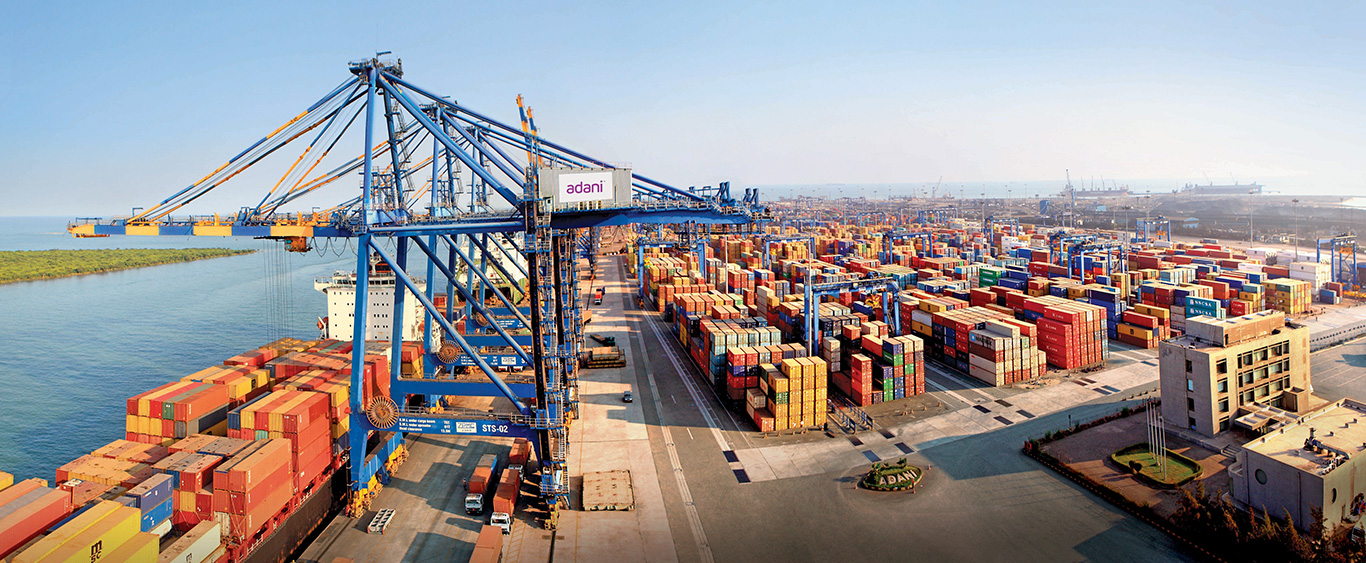
- Ports
- Warehousing
- Logistics hubs
- IT parks
(D) State-Level Incentives
States provide additional benefits such as:
- Stamp duty exemption
- Electricity duty exemption
- Subsidies for capital investment
3. Legal Framework and Governance
Key regulatory authorities include:
- Board of Approval for SEZs
- Development Commissioner SEZ
They regulate:
- Approval of SEZ units
- Monitoring of performance
- Enforcement of compliance
4. Key Conditions for Availing Incentives
- Unit must be engaged in authorized operations
- Positive Net Foreign Exchange (NFE) earnings
- Compliance with export obligations
- Maintenance of separate accounts
5. Important Case Laws
1. CIT v. Yokogawa India Ltd.
- Held that Section 10A/10AA deductions are exemptions, not mere deductions.
- Significance: Strengthened tax incentives for SEZ units.
2. GMR Aerospace Engineering Ltd. v. Union of India
- Addressed GST exemption benefits to SEZ developers.
- Significance: Clarified zero-rated supply benefits.
3. Samsung India Electronics Pvt. Ltd. v. State of Uttar Pradesh
- Concerned tax incentives and state benefits for SEZ units.
- Significance: Affirmed state-level incentives applicability.
4. Essar Steel Ltd. v. Union of India
- Examined duty exemptions within SEZ framework.
- Significance: Confirmed customs benefits for SEZ operations.
5. Sesa Goa Ltd. v. Joint Commissioner of Income Tax
- Addressed computation of export profits.
- Significance: Clarified methodology for claiming tax deductions.
6. Hero MotoCorp Ltd. v. Union of India
- Dealt with excise duty and SEZ benefits.
- Significance: Reinforced tax exemptions on SEZ transactions.
7. Shree Renuka Sugars Ltd. v. Union of India
- Examined withdrawal/modification of SEZ benefits.
- Significance: Highlighted stability and policy continuity concerns.
6. Advantages of SEZ Incentives
- Boosts exports and foreign exchange earnings
- Attracts multinational corporations
- Reduces operational costs
- Enhances global competitiveness
7. Challenges and Criticism
- Revenue loss due to tax exemptions
- Land acquisition controversies
- Uneven regional development
- Policy uncertainty (e.g., MAT, DDT introduction earlier)
8. Global Comparison
Countries with strong SEZ frameworks include:
- China – Highly successful export zones (Shenzhen model)
- United Arab Emirates – Tax-free zones like Dubai Free Zones
- Singapore – Integrated logistics and trade incentives
9. Conclusion
SEZs represent a strategic policy tool to stimulate economic growth through targeted incentives. While they offer significant fiscal and operational advantages to corporations, their long-term success depends on policy stability, regulatory clarity, and infrastructure efficiency. Judicial decisions have played a critical role in interpreting incentive provisions and protecting investor confidence.
RELATED Blog

comments