



Sentencing Trends Worldwide
Sentencing refers to the judicial determination of a punishment for a convicted offender. Around the world, sentencing trends are evolving to reflect changes in societal values, legal reforms, and human rights concerns.
Key trends include:
Move Towards Proportionality: Modern sentencing emphasizes proportionality—punishment must fit the crime and the offender’s circumstances.
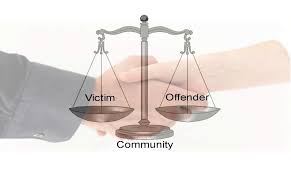
Restorative Justice: There is growing use of restorative justice approaches aimed at repairing harm rather than only punishing.
Alternatives to Incarceration: Many jurisdictions prioritize community service, probation, fines, or electronic monitoring to reduce prison populations.
Sentencing Guidelines and Transparency: To avoid arbitrariness, countries adopt sentencing guidelines that provide structured frameworks.
Human Rights and Rehabilitation Focus: Sentencing increasingly incorporates respect for human dignity and aims for offender rehabilitation.
Sentencing for Vulnerable Groups: Special sentencing considerations for juveniles, women, and mentally ill offenders are becoming common.
Important Cases Illustrating Sentencing Trends:
1. R v. Gladue (1999) – Canada
Summary: This case involved the sentencing of an Indigenous woman. The Supreme Court of Canada held that courts must consider the unique circumstances of Indigenous offenders, including systemic discrimination and cultural factors, when imposing sentences.
Principle: Sentencing must reflect restorative justice and take into account background and systemic issues affecting Indigenous peoples.
Trend Illustrated: Personalized sentencing and recognition of cultural contexts as part of restorative justice.
2. United States v. Booker (2005) – USA
Summary: The U.S. Supreme Court struck down mandatory federal sentencing guidelines as unconstitutional because they violated the Sixth Amendment right to a jury trial.
Principle: Sentencing guidelines should be advisory, not mandatory, to preserve judicial discretion.
Trend Illustrated: Balancing uniformity and discretion in sentencing, promoting fairness while avoiding rigid punishments.
3. Miller v. Alabama (2012) – USA
Summary: The U.S. Supreme Court ruled that mandatory life without parole sentences for juveniles violate the Eighth Amendment's prohibition on cruel and unusual punishment.
Principle: Sentencing of juveniles must consider their potential for rehabilitation and cognitive development.
Trend Illustrated: Protection of vulnerable groups (juveniles) and emphasis on rehabilitation over harsh punishments.
4. R v. Duffy (2006) – United Kingdom
Summary: The UK Court of Appeal emphasized the importance of sentencing guidelines in reducing sentencing disparities and promoting transparency.
Principle: Sentencing must be transparent, consistent, and guided by clear principles to ensure public confidence.
Trend Illustrated: Adoption of sentencing guidelines to create consistency and fairness.
5. Pathmanathan v. The Queen (2015) – Australia
Summary: The High Court of Australia considered proportionality in sentencing and struck down an excessive sentence for a non-violent offender.
Principle: Sentences must be proportionate to the gravity of the offence and the offender's circumstances.
Trend Illustrated: Global emphasis on proportionality and fairness in sentencing decisions.
Summary of Sentencing Trends Highlighted by These Cases:
Recognition of cultural and individual factors in sentencing (Gladue).
Balancing judicial discretion and guidelines to avoid arbitrariness (Booker, Duffy).
Special protection and rehabilitation for juveniles and vulnerable groups (Miller).
Emphasis on proportionality and fairness (Pathmanathan).
Movement towards restorative justice and alternatives to incarceration reflected implicitly in these principles.
RELATED Blog









comments