



Section 357 of the Bharatiya Sakshya Adhiniyam, (BSA), 2023
It appears that Bharatiya Sakshya Adhiniyam, 2023 refers to an updated or revised version of the Indian Evidence Act, 1872. Since I don’t have information on legislative updates after 2023, I'm unable to pull the exact content of Bharatiya Sakshya Adhiniyam, 2023. However, I can help break down the broader context of Section 357 within the Indian Evidence Act, 1872, which is likely to have been the model for this 2023 update.
Section 357 of the Indian Evidence Act, 1872
Section 357 of the Indian Evidence Act, 1872 deals with the powers of the court to award compensation to the victim in criminal cases. It is a provision that focuses on providing financial relief to victims as part of the justice process.
Key Aspects of Section 357 (Indian Evidence Act, 1872)
Compensation to Victim:
Section 357(1) of the Indian Evidence Act empowers a court to direct that the accused pays compensation to the victim or the victim’s family. This compensation could be for the harm caused by the offense, including physical injuries or financial loss resulting from the crime.
It ensures that even if the accused is not sentenced to imprisonment, the victim can still receive monetary relief for the suffering caused.
Power to the Court:
The section also grants power to the court to order compensation for certain types of offenses even before the final judgment in a case.
The compensation could also be paid from the fine imposed on the convicted person.
Monetary Amount:
The amount of compensation is decided by the court based on the severity of the injury, the crime, and the circumstances surrounding the offense. The purpose is to help mitigate the victim’s loss but not necessarily to fully recover it.
Compensation from Fines:
Under Section 357(3), the court can also direct that any fine imposed as part of the conviction be used to compensate the victim.
Limitation:
The power to award compensation is generally applicable in criminal cases and specific offenses, particularly those involving bodily harm, financial loss, or other material damages. However, there are also certain limits and exceptions.
Sentencing and Compensation:
If a person is convicted of a criminal offense and the court awards them a fine or damages, it may decide to split the fine between paying the government and compensating the victim.
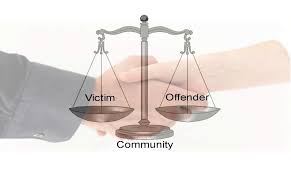
It reflects a shift from punishment alone to restorative justice.
Objective of Section 357
The main objective behind this section is restorative justice, which is focused on reconciliation, reparation, and making the victim whole rather than only punishing the offender. The court ensures that the consequences of the offense are somewhat mitigated for the victim, balancing the punitive with compensatory measures.
Examples of Compensation
Physical Injury: If a person is injured during an assault, the court may order the accused to pay compensation for medical bills, loss of wages, or pain and suffering.
Economic Loss: In cases of theft or fraud, the court could direct compensation to be paid to the victim to cover the financial loss they incurred.
Family Impact: In cases where the victim has died, the family of the deceased may be compensated for the loss.
Impact of Section 357 in Restorative Justice
Section 357 not only ensures that victims receive some measure of justice, but it also promotes a broader understanding of the justice system. The inclusion of compensation to victims aligns with the idea that justice is not only about punishing offenders but also restoring balance and fairness to those who have been wronged.
Potential Changes in the Bharatiya Sakshya Adhiniyam, 2023
If the Bharatiya Sakshya Adhiniyam, 2023 is an updated version of the Indian Evidence Act, it's possible that Section 357 could have undergone revisions. Possible updates could include:
Greater emphasis on victim rights: More explicit guidelines on when and how compensation is awarded.
Expanded scope: Compensation for psychological harm, emotional distress, or loss of property.
Faster processes: New mechanisms to ensure timely compensation for victims in certain types of crimes.
Inclusion of modern forms of harm: For example, compensation for online harassment, financial fraud, or other tech-related crimes.
If you have access to the Bharatiya Sakshya Adhiniyam, 2023, you can compare the two versions (1872 and 2023) for any differences in wording or additional provisions regarding compensation.
RELATED Blog









comments