



Restorative Justice Practices In Tribal Afghan Communities
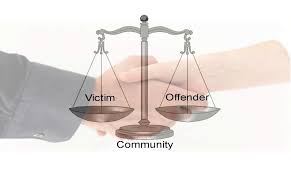
Restorative justice (RJ) is a framework that emphasizes repairing the harm caused by criminal behavior through inclusive processes involving the victim, offender, and the community. In many parts of the world, including Afghanistan, restorative justice principles are applied in traditional ways to deal with disputes, crimes, and violations within communities.
In tribal Afghan communities, restorative justice practices are embedded in customary laws and traditional conflict-resolution mechanisms. The principles of Pashtunwali, the traditional code of conduct among the Pashtun people, play a central role in these practices, where the focus is on maintaining honor, justice, and social harmony within the tribe. These principles have been passed down through generations and are used alongside state law or in place of it, especially in rural or remote areas.
Key Principles of Restorative Justice in Afghan Tribal Communities
Collective Responsibility: The idea of the community being responsible for ensuring that justice is served is fundamental. This could mean the entire family or tribe may be involved in the process of addressing a wrong, ensuring accountability and restoration.
Reconciliation and Healing: The focus is not solely on punishment but on restoring relationships, healing wounds, and rebuilding trust. Offenders are encouraged to make amends and compensate for the harm done.
Blood Feuds and Compensation: A significant part of traditional justice in Afghanistan is resolving blood feuds (often spanning generations) through a process called "Badal" (revenge or compensation). While this concept sounds violent, it often involves negotiating compensation or a settlement to end the feud and promote peace.
Mediation by Elders: Disputes are often mediated by community elders or jirgas (councils). Elders are respected for their wisdom and their ability to restore harmony within the tribe.
Case 1: The Case of the Murder and Compensation (Badal)
In a remote village in Kunar Province, a member of one tribe killed a member of a rival tribe. According to the Pashtunwali code, the family of the deceased demanded Badal—revenge—against the killer. However, both tribes, aware of the potential for an escalating blood feud, sought the intervention of community elders.
The jirga was called, and the elders, after hearing from both parties, decided to not only offer a settlement but also requested that the family of the accused murderer offer compensation in the form of diyat (blood money), which was agreed upon after several rounds of negotiation. The killer’s family did not have to give up a life, but instead, they paid a large sum of money, along with livestock, to the victim’s family. This restored peace, and the blood feud was avoided.
Legal Reference: This case follows a traditional practice under Sharia law (Islamic law), which allows the payment of diyat as an alternative to revenge killings. Under the Afghan Penal Code, the payment of blood money is acknowledged as a way to resolve certain types of homicide cases outside the formal judicial system.
Case 2: Dispute Over Land Between Families (Jirga Mediation)
In the eastern part of Afghanistan, two families were involved in a dispute over land ownership that had been inherited for generations. Both families claimed rights over a piece of fertile land, and tensions had risen to the point of violence.
The families brought the issue to the jirga, where respected elders from both sides of the dispute, as well as neutral parties, were present. The elders investigated the history of the land and consulted local customs and legal precedents. They ruled that both families had legitimate claims to parts of the land, and a compromise was necessary to avoid further conflict.
The jirga decided that one family would receive the land for farming, while the other would be compensated with a monetary sum and part of the harvest each year. The agreement also stipulated that both families would jointly manage the water rights. This solution was accepted by both sides, and peace was restored within the community.
Legal Reference: The case reflects the tribal justice system, which is influenced by customary law but also allows for settlement in cases that may involve national or local land laws. This form of alternative dispute resolution aligns with the principles of restorative justice.
Case 3: Honor Killing and Resolution Through Mediation
In a different village, a young woman was killed by her brother in an honor killing, which is unfortunately a common form of violence in many parts of Afghanistan. The brother killed his sister, claiming that she had dishonored the family by engaging in a relationship with a man outside of marriage.
When the case was brought before a jirga of elders, they initially discussed the issue with the victim's family. The father of the murdered woman demanded revenge by calling for the execution of his son, which is also a common response in Afghan culture. However, the elders of the community, emphasizing reconciliation over vengeance, suggested an alternative solution.
The jirga negotiated a compensation settlement, which included a combination of diyat (blood money), a formal apology, and a public acknowledgment of the harm caused. The family of the accused brother also underwent a process of forgiveness in front of the entire community, and the brother was required to undergo counseling and rehabilitation. This was a rare case of restorative justice, which allowed the family to heal without the escalation of violence.
Legal Reference: While the Afghan legal system often allows for the death penalty in honor killings, the practice of mediation and forgiveness is more in line with the Pashtunwali code. This case also mirrors Sharia law's provisions for forgiveness and reconciliation in honor-related disputes.
Case 4: Child Theft and Restitution
A case occurred in Nangarhar Province where a young boy from one tribe was accused of stealing livestock from a neighboring tribe. The theft was considered an act of serious dishonor, and the victimized tribe demanded punishment under the traditional justice system.
However, when the case was brought to the jirga, the elders discovered that the boy had stolen the animals because his family was facing severe economic hardship and could not afford food. The jirga, recognizing the context of poverty, decided to employ a restorative justice approach.
Instead of executing a harsh punishment, the boy’s family was required to return the stolen livestock, and they were further ordered to work with the victim’s tribe to help rebuild a communal well. The community also agreed to provide the family with some support to alleviate their poverty. This restorative approach helped both sides move forward without a cycle of revenge.
Legal Reference: This case highlights the Pashtunwali principle of safeguarding the honor of the tribe while also considering the broader social context. The decision emphasized compassion and the role of the community in addressing the root causes of crimes, which is a key element of restorative justice.
Case 5: Dispute Over a Wedding Dowry
In a small village, a dispute arose when a groom's family refused to pay the agreed-upon dowry to the bride’s family. According to Pashtunwali, this was a serious offense because it involved breaking a promise that was central to the social and cultural norms of the community.
The bride’s family called for the payment of the dowry, and the groom's family refused, claiming financial difficulties. The dispute threatened to tear the families apart, and rumors of violence spread throughout the village.
A jirga was convened, where the elders first listened to both families. They discovered that the groom’s family had, in fact, made a partial payment but had not completed it. Instead of escalating the issue with threats of violence, the jirga advised the groom’s family to pay the remaining amount in installments, while offering the bride’s family compensation in the form of livestock as a sign of goodwill.
Both families agreed to this solution, and the wedding proceeded. The couple was also given the opportunity to contribute to the community by helping with local agricultural projects as a sign of their unity.
Legal Reference: This case is an example of tribal justice resolving a dispute rooted in customary law. The intervention of the jirga helped prevent a potentially violent escalation and reinforced the community's emphasis on upholding agreements through compromise and cooperation.
Conclusion
Restorative justice practices in tribal Afghan communities are deeply intertwined with Pashtunwali, Sharia law, and local customary norms. These practices prioritize peace, reconciliation, and compensation over punishment. The jirga, as the central decision-making body, plays a crucial role in mediating disputes and ensuring that justice is served in a way that promotes social harmony. While these practices are not without their challenges, particularly when they conflict with modern legal principles, they provide a vital alternative to formal justice systems, particularly in rural and tribal areas of Afghanistan.
The cases discussed demonstrate the flexibility of restorative justice in Afghan tribal communities, where the ultimate goal is not just punishing the offender but healing the community and maintaining its social fabric.
RELATED Blog









comments