



Position of Same-Sex Marriage in India
🏳️🌈 Same-Sex Marriage in India: A Comprehensive Overview
✅ 1. What Is Same-Sex Marriage?
Same-sex marriage refers to a legal or social union between two people of the same gender — for example, two men or two women — who wish to live together in a committed, marital-like relationship, enjoying the rights and responsibilities that marriage entails.
🌐 2. Social and Legal Context in India
India has traditionally followed heteronormative marriage systems, where marriage is recognized only between a man and a woman.
However, societal attitudes are changing, especially after recognition of same-sex relationships as legitimate personal choices.
While homosexuality is no longer a crime, the issue of same-sex marriage remains legally unresolved.
⚖️ 3. Landmark Case Law on Same-Sex Rights
🔹 Navtej Singh Johar v. Union of India (2018)
Facts: Petitioners challenged the criminalization of consensual same-sex relations.
Judgment: The Supreme Court decriminalized consensual same-sex relations between adults.
Key Principle: The right to choose one’s partner is part of individual dignity, autonomy, and liberty.
Relevance to Marriage: Though this case did not legalize same-sex marriage, it laid the constitutional foundation by recognizing the equal rights of LGBTQ+ individuals.
🔹 Shafin Jahan v. Asokan K.M. (2018)
Facts: Although about a heterosexual couple, the case emphasized the right to choose one’s life partner as a fundamental right.
Relevance: The reasoning applies to same-sex couples too — the freedom to choose a spouse is an aspect of personal liberty.
🔹 Supriyo v. Union of India (2023)
Facts: A group of LGBTQ+ couples petitioned the Supreme Court to recognize their right to marry.
Judgment: The Court refused to legalize same-sex marriage, stating that creating legal recognition falls under the domain of the legislature (Parliament), not the judiciary.
Outcome: The Court acknowledged discrimination faced by same-sex couples and urged the government to consider reforms for their protection.
Significance: The ruling clarified that while same-sex relationships are lawful, same-sex marriages are not legally recognized in India as of now.
📌 4. Present Legal Position (Post-2023)
| Aspect | Status in India |
|---|---|
| Same-sex relationships | ✅ Legal (post-2018) |
| Same-sex marriage | ❌ Not legally recognized (as of now) |
| Adoption rights | ❌ Not guaranteed to same-sex couples |
| Property/inheritance | ❌ Complicated, not automatically granted |
| Right to live together | ✅ Recognized under fundamental rights |
🔍 5. Key Judicial Observations (Supriyo Case)
Love and companionship between same-sex couples are protected by constitutional morality.
The absence of a marriage framework leads to real-life hardships (e.g., no access to health insurance as dependents, no inheritance, no adoption rights).
Court emphasized the need for non-discriminatory administrative frameworks, even without marriage recognition.
🧠 6. Broader Social and Constitutional Issues
Equality and Non-Discrimination: Denial of marriage rights may violate the principle of equal treatment.
Right to Privacy and Dignity: Choosing one’s life partner is a deeply personal and constitutionally protected decision.
Social Stigma and Discrimination: Even with decriminalization, same-sex couples often face rejection and hostility from family and society.
⚠️ 7. Challenges Faced by Same-Sex Couples
Denial of marital status, leading to exclusion from spousal benefits.
Lack of legal clarity in case of medical emergencies, property rights, or child custody.
Bureaucratic refusal to recognize their domestic partnerships.
No framework for registering or protecting long-term same-sex unions.
🔮 8. Future Outlook
While the courts have stopped short of legalizing same-sex marriage, they have recognized the rights of LGBTQ+ persons.
Parliamentary action is required to bring in legislation allowing or regulating same-sex marriages.
Growing public discourse, global influence, and activism could eventually lead to legal reform in this area.
✅ Conclusion
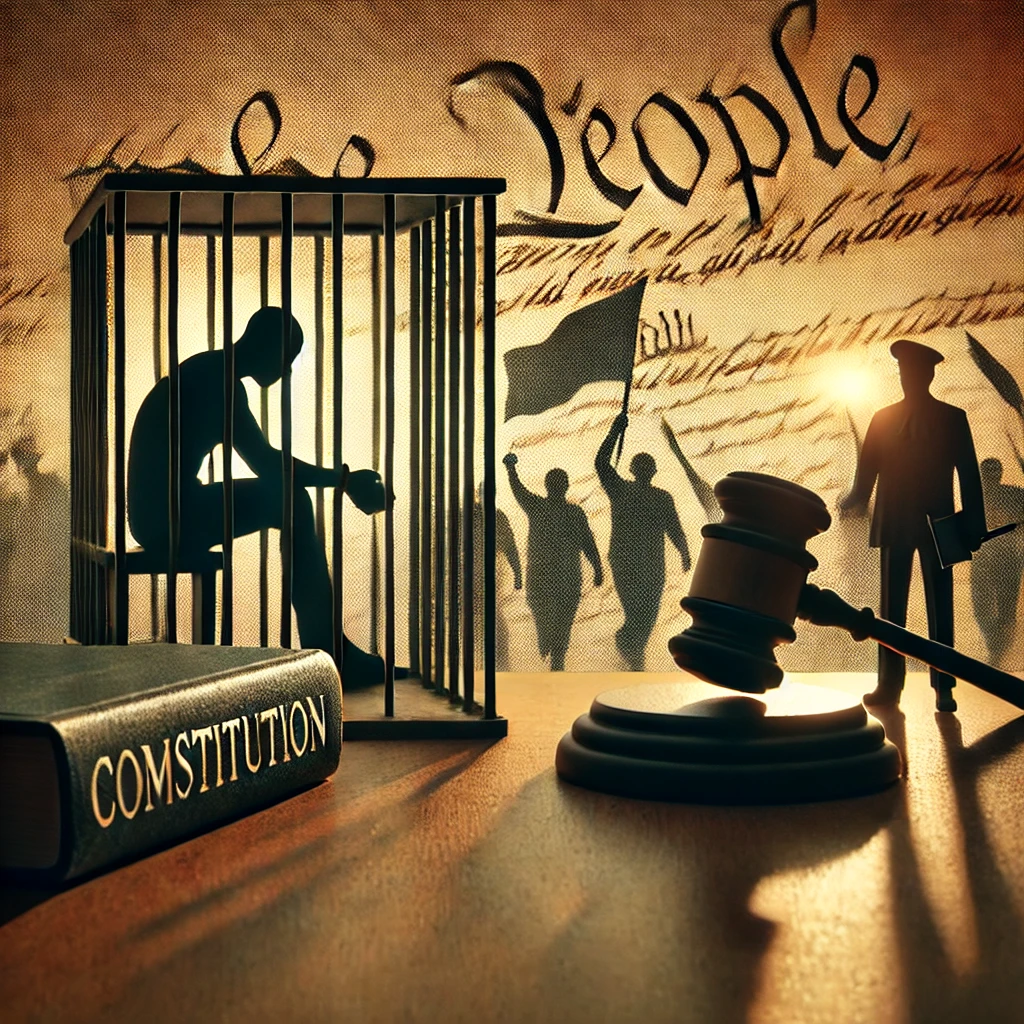
The right to same-sex marriage in India is not yet legally recognized, but the constitutional rights of LGBTQ+ individuals have been affirmed by the judiciary. The judiciary has acknowledged their right to dignity, privacy, and love but has left the question of marriage to be resolved by the legislature.
📝 In Simple Words:
You can love who you want in India. But if you're in a same-sex relationship, you can’t legally marry yet. The courts have said you're equal under the Constitution — but it’s now up to the government to make laws allowing same-sex marriage.
RELATED Blog









comments