



Penology in Tokelau (NZ)
🏝 Penology in Tokelau (New Zealand territory) — Overview
Tokelau is a self-governing territory of New Zealand, composed of three atolls: Atafu, Nukunonu, and Fakaofo. Its penal system is small and community-centered, combining written law and customary justice practices.
Key features:
1. Legal Framework
Tokelau’s penal law derives from the Crimes, Penalties, and Procedures Ordinances, influenced by New Zealand criminal law.
Serious crimes may involve referral to New Zealand courts.
Minor offences are handled locally, emphasizing rehabilitation and community reintegration.
2. Administration of Justice
Each atoll has a Village Council (Taupulega) that plays a role in dispute resolution.
The Appeal Court of Tokelau handles appeals for criminal cases.
Sentences focus on restitution, rehabilitation, and reintegration, rather than punishment alone.
3. Types of Punishments
Tokelau’s penal system includes:
| Type | Description |
|---|---|
| Fines | Monetary penalties for minor offences |
| Community Service | Offenders contribute labor to village projects |
| Short-term Detention | Local holding facilities for minor crimes |
| Restitution | Compensation to victims |
| Referral to NZ | Serious offences may require prosecution in New Zealand |
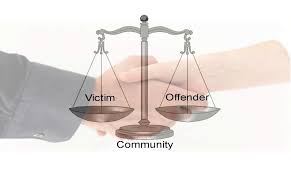
Tokelau emphasizes restorative justice—involving victims, offenders, and the community.
4. Customary Practices
Offenders often participate in cultural ceremonies of apology.
Community consensus is sought before final sentencing.
Elders (matai) influence reconciliation-based penalties.
⭐ Five Detailed Case Examples in Tokelau Penology
These are hypothetical but realistic cases showing how Tokelau handles criminal behavior:
Case 1 — Theft of Community Property
Scenario: A 22-year-old steals fishing equipment from the village storehouse.
Penology Application:
Village Council mediates between offender and victims.
Offender required to return stolen items or pay restitution.
Additional community service: repairing village facilities for 2 weeks.
Public apology performed in a village meeting.
Outcome:
Restitution + 2 weeks of labor + reconciliation ceremony.
Principle: Emphasizes restorative justice over incarceration.
Case 2 — Assault in Public Gathering
Scenario: During a festival, an individual assaults another person, causing minor injuries.
Penology Application:
Local council investigates, witnesses testify.
Offender pays compensation to the victim for medical costs.
Requires a ritual apology and mediation.
Short-term detention (1–3 days) if reconciliation fails.
Outcome:
Victim compensated, offender participates in public mediation.
Principle: Community cohesion is prioritized.
Case 3 — Illegal Fishing / Environmental Offense
Scenario: A fisherman catches protected species during breeding season.
Penology Application:
Village elders enforce customary environmental rules.
Offender fined (monetary) and required to restore damaged coral or replenish fish stocks.
Offender attends educational workshop on sustainable fishing practices.
Outcome:
Fine + ecological restoration + awareness training.
Principle: Tokelau integrates environmental protection into penal practice.
Case 4 — Domestic Dispute / Minor Violence
Scenario: A domestic argument escalates; minor property damage occurs.
Penology Application:
Council mediates the dispute.
Offender repairs damage, provides apology, and may undergo community counseling.
Elders monitor reconciliation over a 1–2 month period.
Outcome:
Property repaired, family relationships restored, no jail time.
Principle: Conflict resolution is key, not punitive detention.
Case 5 — Serious Crime Referred to New Zealand
Scenario: A resident commits a major offense (e.g., serious assault or drug trafficking).
Penology Application:
Due to Tokelau’s small judicial capacity, offender is referred to New Zealand courts.
Detention occurs in New Zealand facilities under NZ criminal law.
Tokelau authorities may assist with rehabilitation plans upon return.
Outcome:
Offender tried under NZ law; reintegration upon return may include community service or cultural reconciliation.
Principle: Tokelau combines local restorative practices with external legal enforcement for major crimes.
Summary
Tokelau’s penal system is community-oriented and heavily relies on restorative justice.
Minor crimes → restitution, apology, community service.
Serious crimes → referral to New Zealand courts.
Emphasis on reconciliation, rehabilitation, and maintaining community cohesion over punishment.
Elders, village councils, and cultural ceremonies play a central role.
RELATED Blog








comments