



Penology in Portugal
Penology in Portugal is notable for its progressive approach to criminal justice, particularly in relation to drug decriminalization, rehabilitation, and reintegration. As a member of the European Union, Portugal follows international human rights standards, and its penal system reflects both continental European legal traditions and modern penological principles.
🔹 Legal and Institutional Framework
Legal System: Portugal operates under a civil law system, with its criminal justice procedures governed by the Portuguese Penal Code and Code of Criminal Procedure. It emphasizes proportional punishment, legal safeguards for defendants, and human rights protections.
Prison Administration: Managed by the Direção-Geral de Reinserção e Serviços Prisionais (DGRSP) under the Ministry of Justice, which oversees:
Prison facilities
Probation services
Reintegration programs
🔹 Structure of the Penal System
Portugal's penal system includes:
Closed Regime Prisons: For serious offenses and long-term sentences.
Open Regime Prisons: Focused on reintegration, allowing work or study outside.
Semi-open Facilities: Transitional spaces for inmates nearing the end of their sentence.
Juvenile Detention Centers: Governed by specific legislation focusing on education and rehabilitation.
🔹 Key Characteristics of Penology in Portugal
1. Decriminalization of Drug Use (2001 Reform)
Portugal became a global model for harm reduction by decriminalizing personal use of all drugs.
Instead of imprisonment, drug users are referred to Commissions for the Dissuasion of Drug Addiction, which focus on treatment, education, and prevention.
Results: Reduction in prison overcrowding, lower HIV infection rates, and decreased drug-related deaths.
2. Emphasis on Rehabilitation and Reintegration
Penal policy strongly favors social reintegration over punitive approaches.
Inmates have access to:
Education (literacy, secondary education, university programs)
Vocational training (e.g., carpentry, agriculture, IT)
Psychological and psychiatric support
Work opportunities, both inside and outside prisons
Day-release programs and semi-custodial regimes help inmates reintegrate gradually.
3. Alternatives to Incarceration
Portugal actively promotes non-custodial measures for minor or non-violent crimes:
Fines
Community service
Suspended sentences
Electronic monitoring
Probation with supervision
These alternatives aim to reduce prison populations and avoid unnecessary institutionalization.
🔹 Prison Conditions
Portugal generally maintains humane prison conditions, in line with European standards. Key features include:
Individual and shared cells
Access to healthcare and mental health services
Education and leisure activities
Legal aid and the right to file complaints about treatment
Challenges:
Overcrowding occasionally affects older prisons.
Staff shortages and underfunding in some areas.
Reoffending remains a concern, particularly among marginalized groups.
🔹 Juvenile Justice
Governed by the Educational Guardianship Law.
Juvenile offenders (12–16) are treated under a welfare model, not a punitive one.
Measures include:
Placement in educational centers
Supervised freedom
Community-based programs
Focus is on education, family support, and psychological development.
🔹 International Compliance and Oversight
Portugal is a member of:
Council of Europe (subject to CPT inspections)
European Court of Human Rights (ECHR)
United Nations human rights treaties
Portugal regularly receives positive marks for respecting prisoner rights, although NGOs have flagged issues with mental healthcare access and overuse of pretrial detention in some cases.
🔹 Recent Developments
Prison modernization projects have been underway to close outdated facilities and improve infrastructure.
Digital transformation in prisons, including e-learning and digital record-keeping.
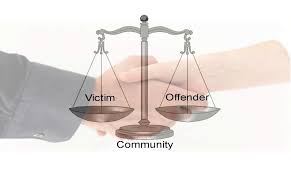
Restorative justice programs are in development, aiming to allow offenders and victims to engage in mediated dialogue.
🔹 Conclusion
Penology in Portugal is distinguished by its humane, rehabilitation-centered approach. Through progressive drug policies, alternatives to incarceration, and a strong focus on reintegration, Portugal has crafted a model that balances public safety with human dignity. While not without its challenges—such as sporadic overcrowding and resource gaps—it remains one of the more effective and rights-respecting penal systems in Europe.
RELATED Blog









comments