



Penology in Panama
1. Overcrowding and Prison Conditions
Case Summary:
In La Joyita Prison, one of Panama's largest correctional facilities, a riot breaks out among inmates. The prison, designed to hold 1,500 individuals, houses over 3,000. Tensions rise due to limited access to food, poor sanitation, and lack of medical care. During the riot, several inmates are injured and a few are killed. Investigation reveals that gang factions within the prison orchestrated parts of the unrest, exploiting the authorities’ inability to maintain order.
Penological Issue:
Overcrowding exacerbates violence and poor living conditions, undermining the goal of rehabilitation. Inmates are forced to share sleeping areas, have restricted access to basic services, and are exposed to internal gang control. The system struggles to maintain security while providing humane treatment.
Consequences:
This situation highlights the need for reform in prison infrastructure and resource allocation. Without adequate space or staff, prisons become centers for violence rather than rehabilitation. Post-riot, authorities increased security and introduced segregation policies, but long-term solutions like reducing pre-trial detention and building alternative facilities remain limited.
2. Gang Influence in Prisons
Case Summary:
An inmate, Miguel, enters a prison on charges related to theft. Within weeks, he is approached by members of a local gang that controls certain sections of the facility. Refusing initially, Miguel is later coerced into participating in smuggling contraband, including cell phones and drugs. When caught, he receives additional penalties and loses privileges, reinforcing his association with the gang for protection.
Penological Issue:
Gangs dominate several Panamanian prisons, turning correctional facilities into training grounds for further criminal activity. This reflects the failure of rehabilitative efforts and demonstrates how inmate social structures can undermine the penal system.
Consequences:
Instead of reforming behavior, Miguel becomes more embedded in criminal networks. The prison authorities face difficulties implementing rehabilitation programs because gangs control large segments of the inmate population, and attempts to separate them are logistically challenging.
3. Alternative Sentencing and Rehabilitation Programs
Case Summary:
A young woman, Isabel, is convicted of minor fraud. Rather than serving a custodial sentence, she is enrolled in a community service program as part of Panama’s probation system. She participates in educational workshops, vocational training, and social reintegration sessions. Isabel completes the program successfully and avoids imprisonment.
Penological Issue:
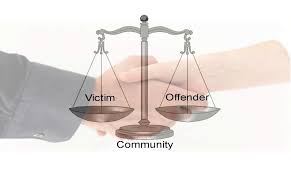
Panama has increasingly implemented alternative sentencing for minor offenses to reduce prison overcrowding and promote rehabilitation. Probation, community service, and restorative justice programs aim to reintegrate offenders into society rather than isolate them in prisons where criminal behavior can worsen.
Consequences:
Isabel benefits from avoiding incarceration, gaining skills and education to prevent recidivism. This case illustrates the effectiveness of non-custodial measures in reducing pressure on prisons and providing positive social outcomes.
4. Human Rights Violations in Custody
Case Summary:
An inmate, Luis, suffers from a chronic illness but is denied proper medical attention while in a high-security Panamanian prison. Despite repeated requests from family and human rights advocates, prison officials delay treatment. Luis’s condition deteriorates, leading to long-term health consequences.
Penological Issue:
The failure to provide adequate medical care violates inmate rights and Panama’s legal obligations to ensure humane treatment under the law. This reflects broader systemic issues, including underfunding and neglect in prison healthcare services.
Consequences:
Luis suffers irreversible health complications, and the case prompts human rights groups to demand reforms. Ensuring medical care and basic living standards is essential to uphold human dignity in correctional facilities and prevent litigation against the state.
5. Reintegration Programs for Juvenile Offenders
Case Summary:
A 17-year-old male, Carlos, is convicted of robbery. Instead of being sent to an adult prison, he is placed in a juvenile rehabilitation center that offers education, psychological counseling, and vocational training. After completing the program, Carlos receives ongoing mentorship and support to integrate into society.
Penological Issue:
Juvenile justice in Panama emphasizes rehabilitation over punishment. Programs are designed to prevent recidivism and provide at-risk youth with the tools to lead productive lives. This approach aligns with international standards such as the Convention on the Rights of the Child (CRC).
Consequences:
Carlos avoids becoming entrenched in criminal networks and gains a foundation for lawful employment. Juvenile rehabilitation programs help reduce gang recruitment and long-term crime rates, highlighting the importance of tailored penological measures for young offenders.
6. Death Penalty and Sentencing
Case Summary:
A man is convicted of murder in Panama. Although the death penalty was abolished in the country decades ago, the court imposes life imprisonment. He is sent to a high-security facility and placed in long-term isolation due to the nature of his crime and threat to other inmates.
Penological Issue:
Panama’s penal system emphasizes long-term imprisonment for serious offenses while adhering to international human rights norms, including the prohibition of capital punishment. The case highlights issues of solitary confinement and humane treatment, especially in maximum-security facilities.
Consequences:
While the offender is removed from society, concerns about isolation and mental health arise. Penology in Panama continues to balance security needs with ethical standards for humane imprisonment.
Conclusion
Penology in Panama reflects a dual focus on punishment and rehabilitation, with varying levels of success:
Challenges: Overcrowding, gang influence, corruption, and inadequate healthcare threaten effective rehabilitation and human rights compliance.
Strengths: Alternative sentencing, juvenile rehabilitation, and restorative justice programs show potential for reducing recidivism and easing pressure on the prison system.
Panama’s penal system continues to evolve, seeking a balance between public safety, human rights, and rehabilitation, but persistent structural issues like overcrowding, violence, and limited resources present ongoing challenges for effective penology.
RELATED Blog






comments