



Penology in Niue
Penology in Niue, as a small island nation in the South Pacific, is somewhat unique given the country’s size, population, and the socio-political context. Niue has a population of around 1,600 people, and its criminal justice system is influenced by traditional Pacific Island values, as well as by the laws inherited from New Zealand, which maintains a degree of governance over Niue through a compact of free association.
While Niue does not have the same extensive history of criminal cases and high-profile legal issues as larger nations, it still faces important challenges in penology, particularly with respect to crime prevention, rehabilitation, and the application of justice in a small, close-knit society. The criminal justice system in Niue includes a mix of traditional practices and modern legal procedures, which impact how crimes are prosecuted, punished, and rehabilitated.
Here are a few examples of criminal cases and penological practices in Niue, based on general principles of law and justice in the country:
1. The Case of Domestic Violence and Sentencing Practices
Case Overview:
Domestic violence is one of the more prevalent criminal issues that Niue faces. Like many small island nations, Niue has had to confront the challenge of balancing modern legal practices with traditional societal norms. In cases of domestic violence, perpetrators may face both legal consequences and social consequences, such as public shame or exclusion from community events.
Penological Issues:
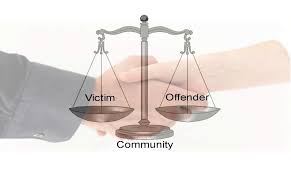
In Niue, criminal cases related to domestic violence are often handled by the police and the court system, with the possibility of incarceration for repeat offenders or those who commit severe acts of violence. However, in many cases, the victim's family and community members play a role in addressing the issue, either through counseling or reconciliation processes. Niue’s approach to domestic violence highlights the tension between the punitive aspects of penology and the restorative justice practices that are embedded in Pacific Island culture, where the focus can often be on healing and reintegration rather than punitive punishment.
Legal Outcome:
Convictions for domestic violence are relatively rare but do occur, with perpetrators facing fines, imprisonment, or mandated counseling. The legal framework for handling domestic violence in Niue mirrors New Zealand’s approach, which includes domestic violence legislation, such as the Domestic Violence Act. However, traditional community structures sometimes serve as an alternative forum for resolving disputes.
2. Alcohol-Related Offenses and Drunk Driving
Case Overview:
Alcohol-related offenses, particularly drunk driving, are common criminal cases in Niue. Despite its small population, Niue has experienced incidents where individuals drive under the influence of alcohol, often leading to accidents or endangering public safety. As in many small communities, the enforcement of laws regarding alcohol consumption can be a delicate issue due to the social dynamics and the close-knit nature of the population.
Penological Issues:
Penological responses to alcohol-related offenses in Niue tend to focus on rehabilitation rather than punishment. While offenders may face fines or a brief period of detention, the justice system tends to favor restorative measures such as community service, counseling, and educational programs about the dangers of alcohol abuse. Given the small size of the island, public shaming can also be a form of informal punishment, where offenders are ostracized or socially reprimanded.
Legal Outcome:
Penalties for drunk driving in Niue include fines, suspension of driving privileges, and, in some cases, imprisonment for repeat offenders. However, offenders are often given the opportunity to engage in alcohol rehabilitation programs rather than face long-term imprisonment. The approach to alcohol-related offenses reflects the larger focus on rehabilitation and reintegration into society.
3. Theft and Property Crimes
Case Overview:
Theft, particularly petty theft, has occurred in Niue, though it is not as common as in larger nations. In a small community, stealing from a neighbor or family member can have significant social consequences. Property crimes, such as theft of personal belongings or vandalism, are often handled with a combination of legal sanctions and social pressure.
Penological Issues:
Penological practices for property crimes in Niue often include a combination of restitution, fines, and community-based penalties. Offenders may be required to return stolen items, compensate victims for damages, or perform community service to make amends for their actions. The social consequences of theft can be particularly impactful, as the small island community tends to value maintaining relationships and trust.
Legal Outcome:
In cases of theft, perpetrators are typically given a chance for reconciliation with victims through the court system, where they may be ordered to pay restitution or engage in restorative justice programs. Niue’s penological approach aims to preserve social harmony, and incarceration for petty theft is rarely used unless the crime is part of a larger pattern of behavior.
4. Child Abuse and Neglect Cases
Case Overview:
Child abuse and neglect are serious issues that, although relatively rare in Niue, do arise from time to time. Cases of child abuse are often handled with a combination of law enforcement and family interventions, with a strong emphasis on protecting the child and ensuring their welfare.
Penological Issues:
In Niue, child abuse cases can lead to both criminal prosecution and the involvement of social services. However, due to the tight-knit nature of the community, issues of child abuse can be more complicated to address. Community elders and traditional leaders may become involved in resolving disputes or overseeing the rehabilitation of offenders.
Legal Outcome:
Penalties for child abuse in Niue can include imprisonment, though the island's criminal justice system typically favors rehabilitation and the provision of services for both the victims and the offenders. In some cases, offenders may be mandated to attend counseling or family therapy, and there may be efforts to reunite families once it is deemed safe for the child.
5. Illegal Fishing and Environmental Crimes
Case Overview:
Niue’s economy and livelihood are closely tied to its natural resources, especially fishing. Illegal fishing, particularly in protected areas or through the use of unsustainable methods, has been an issue, as the island relies heavily on its marine resources for food and economic stability. There have been cases where individuals or groups engage in illegal fishing practices, which harm the environment and deplete fish stocks.
Penological Issues:
Environmental crimes like illegal fishing are taken seriously in Niue, as the island's ecosystem is delicate, and maintaining sustainable fishing practices is crucial for the community's well-being. The penalties for illegal fishing typically involve fines, the confiscation of fishing gear, and sometimes community service or environmental restoration projects. Offenders may also be required to participate in awareness campaigns about the importance of protecting the environment.
Legal Outcome:
The outcomes of illegal fishing cases often involve strict fines and the requirement to restore any damage caused to the environment. In some cases, offenders are also required to participate in educational programs aimed at promoting sustainable fishing practices. Given Niue's dependence on its natural resources, these crimes are seen as having significant long-term consequences, both legally and socially.
Conclusion:
Penology in Niue is marked by a mix of modern legal frameworks and traditional Pacific Island practices. While the criminal justice system is influenced by New Zealand law, it also places a strong emphasis on community involvement, rehabilitation, and restorative justice. The small size and close-knit nature of Niue’s population mean that crime is relatively low, but the community's response to criminal acts is often shaped by the need to maintain social harmony and collective well-being. In dealing with issues like domestic violence, theft, environmental crimes, and child abuse, Niue’s approach blends legal punishment with restorative measures, aiming to restore balance within the community rather than focusing solely on incarceration.
RELATED Blog









comments