



Penology in Equatorial Guinea
Penology in Equatorial Guinea is shaped by authoritarian governance, a weak judicial system, and widespread reports of human rights abuses. The country has one of the most opaque and repressive penal systems in Africa. Here is an overview of the key aspects:
1. Legal Framework
Penal Code and Criminal Procedure Code: Largely inherited from Spanish colonial rule, though some reforms have been made.
Lack of legal independence: The judiciary is heavily influenced by the executive, and legal protections for defendants are weak in practice.
Torture and arbitrary detention are reportedly common despite legal prohibitions.
2. Prison System
Controlled by the Ministry of National Security, with little to no civilian oversight.
Major facilities include Black Beach Prison (notorious for harsh conditions), Evinayong, and Mongomo.
Prisons are marked by:
Overcrowding
Unsanitary conditions
Lack of access to healthcare, food, and legal counsel
Frequent use of torture and inhumane treatment
3. Penal Philosophy
The system is primarily punitive and repressive, aimed at maintaining political control rather than rehabilitation.
Rehabilitation and reintegration programs are virtually nonexistent.
Political prisoners, including journalists, activists, and opposition members, are frequently detained under vague or fabricated charges.
4. Human Rights Concerns
International criticism:
Human Rights Watch, Amnesty International, and the UN have repeatedly documented abuses.
Arbitrary detention, torture, and denial of fair trial rights are systemic.
Inmates, particularly political detainees, are often held incommunicado.
5. Lack of Alternatives to Incarceration
The country has no functional probation or parole system.
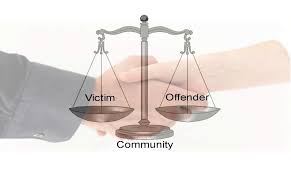
Community service, conditional release, or restorative justice practices are not developed or applied.
6. Challenges and Reforms
Reforms are minimal and largely cosmetic, often made under international pressure.
Efforts to improve transparency and conditions have not materialized into systemic change.
Corruption and impunity are major obstacles to any meaningful penological development.
Summary
Penology in Equatorial Guinea is characterized by authoritarian control, severe human rights violations, and a prison system used more as a tool of repression than justice. It lacks the basic components of a rehabilitative or rights-respecting penal framework.
RELATED Blog









comments