



Penology in Curaçao (Netherlands)
Penology in Curaçao, a constituent country of the Kingdom of the Netherlands, is shaped by both Dutch law and the local legal system. Curaçao, like other parts of the Kingdom, adheres to principles of justice and rehabilitation in its penal system. While the island has seen progress in certain areas, there are ongoing challenges related to overcrowding, prison conditions, and the balance between punishment and rehabilitation.
Penology in Curaçao involves not only the legal system’s approach to dealing with crime but also its methods for sentencing, imprisonment, rehabilitation, and reintegration of offenders. The local system is governed by the Penal Code of Curaçao, which is based on Dutch law. However, the enforcement of laws and practices is adapted to local circumstances and needs. The government and the legal system have faced growing pressure to reform the penal system, particularly concerning human rights issues, and some notable cases have helped shape the current approach to criminal justice.
Below, I will discuss several cases in detail that have played significant roles in shaping the penal system and penology in Curaçao.
1. The Case of the "Willemstad Riots" (2015)
In 2015, there were riots at the Curaçao Prison in Willemstad, which brought attention to the treatment of prisoners and the state of the country's penitentiary system. This event sparked public debate about the need for penological reforms.
Facts of the case:
The riots erupted after protests from prisoners about overcrowding, poor living conditions, and insufficient access to healthcare.
Prisoners staged protests and engaged in violent acts, leading to significant damage to the prison infrastructure.
Many inmates claimed they were subjected to inhumane conditions, including inadequate food, lack of ventilation, and inadequate medical attention.
Court’s decision:
After the riots, the government, under pressure from both the local population and international bodies like the United Nations, agreed to improve prison conditions.
Several prisoners filed complaints with the courts regarding their treatment during and after the riots. The court ruled that the prison conditions violated human rights, as they failed to meet international standards of humane treatment.
The government was instructed to undertake significant reforms, including increasing access to healthcare and reducing overcrowding. This case had a long-term impact on the discussions surrounding the importance of rehabilitation versus punitive measures in Curaçao’s penal system.
This case highlighted the challenges of overcrowded prisons and the need for reforms to align the penal system with international human rights standards.
2. The Case of "Prison Reform and Rehabilitation" (2017)
In 2017, a case emerged concerning the government's failure to meet the European Convention on Human Rights (ECHR) standards, particularly related to rehabilitation programs for prisoners. The case highlighted the inadequacy of rehabilitation programs and led to a broader examination of Curaçao's penal policies.
Facts of the case:
A group of former inmates, along with human rights organizations, sued the government for failing to provide adequate rehabilitative services during their imprisonment.
The plaintiffs argued that their rights to rehabilitation under international law were being violated, and that the prison lacked programs aimed at reintegrating prisoners back into society.
Court’s decision:
The court ruled that the lack of rehabilitation programs in Curaçao’s prison system was a violation of the rights of inmates.
The decision called for a comprehensive review and redesign of the prison rehabilitation programs, including vocational training, mental health services, and educational opportunities for prisoners.
This case spurred reforms in the prison system, and the government was tasked with ensuring that inmates were not just punished but also offered opportunities to reintegrate into society.
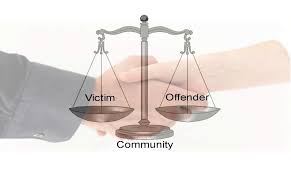
The case underscored the need for restorative justice and emphasized that punishment alone was insufficient for reducing recidivism. It helped initiate discussions around alternative sentencing and rehabilitation strategies.
3. The "Death of Prisoner" Case (2016)
In 2016, there was an unfortunate incident in which a prisoner died in the custody of the Koraal Specht prison. The death was reportedly caused by neglect, as the prisoner allegedly did not receive adequate medical attention for an existing condition.
Facts of the case:
The prisoner, who had a known medical condition, fell critically ill while in custody.
Despite repeated requests for medical treatment, he was not provided with adequate care, and his condition worsened, leading to his death.
The family of the deceased prisoner filed a lawsuit against the government, claiming that the state had violated the prisoner’s right to health and safety.
Court’s decision:
The court found the government liable for the prisoner’s death, citing the state's failure to ensure proper medical care as a violation of human rights.
The court ruled that the government needed to improve the healthcare system within the prison, ensuring that inmates received adequate medical attention, especially those with chronic conditions.
This case also led to calls for better medical facilities within prisons and a review of the state's duty of care toward prisoners.
This case highlighted the importance of treating prisoners humanely and ensuring that they have access to basic healthcare, which is essential in penology to prevent avoidable deaths and injuries.
4. The "Youth Sentencing and Juvenile Justice" Case (2019)
In 2019, a case regarding the sentencing of juvenile offenders raised significant questions about how the justice system in Curaçao deals with young offenders. The case revolved around the sentencing of a minor for a crime that many argued could have been better addressed through alternative means rather than imprisonment.
Facts of the case:
The defendant, a 16-year-old boy, was convicted of a violent crime and sentenced to time in prison.
His defense argued that his youth, lack of a criminal history, and difficult home environment should have been taken into account to offer him a chance for rehabilitation outside of a penal institution.
Human rights organizations and child advocacy groups argued that placing minors in adult prisons was counterproductive and could lead to further criminal behavior.
Court’s decision:
The court acknowledged the complexity of the case and ruled that the juvenile’s sentence should be reviewed. It determined that, given his age, the young offender should be placed in a rehabilitation center specifically designed for minors, where he could receive education and counseling.
The case sparked further debates on juvenile justice in Curaçao, leading to reforms aimed at improving the treatment of young offenders.
In response, the government was pushed to create more youth-oriented rehabilitation programs and develop a more individualized approach to sentencing minors.
This case influenced how juvenile offenders are treated within the penal system in Curaçao, encouraging a shift toward rehabilitation rather than solely punitive measures for young people.
5. The Case of "Overcrowding and Prison Conditions" (2020)
In 2020, a class action lawsuit was filed by prisoners at the Koraal Specht Prison, arguing that overcrowding and poor living conditions were in violation of their human rights. The prison had been operating well beyond its capacity, which exacerbated issues like poor sanitation, inadequate food, and limited access to rehabilitation programs.
Facts of the case:
Prisoners filed a collective complaint arguing that overcrowding in the prison violated their right to humane treatment, as guaranteed under both international law and the Constitution of Curaçao.
They claimed that conditions in the prison were severely overcrowded, leading to unsafe and unsanitary living conditions.
Court’s decision:
The court ruled that overcrowding and the lack of proper facilities violated human rights and the constitutional right to humane treatment.
The government was ordered to take immediate steps to reduce overcrowding, improve sanitation, and ensure better conditions for prisoners.
The case prompted calls for more investment in alternative sentencing options, including community-based sentences and rehabilitation programs, as well as the construction of a new facility to alleviate overcrowding.
This case was pivotal in focusing attention on the state of prison conditions in Curaçao and pushing for reforms aimed at creating a fairer and more humane penal system.
Conclusion
Penology in Curaçao continues to evolve, with significant attention being paid to issues of overcrowding, rehabilitation, and human rights. The cases discussed above reflect the ongoing struggles within the country's penal system and the need for reform. While there have been notable successes, such as the push for better rehabilitation programs and improved prison conditions, challenges remain. These cases underscore the importance of balancing punishment with rehabilitation, ensuring that human rights are respected, and addressing the specific needs of different groups within the penal system. As Curaçao continues to work toward these goals, these cases will likely serve as important legal precedents in shaping the future of penology on the island.
RELATED Blog








comments