



Penology in Cayman Islands (BOT)
Penology in the Cayman Islands (British Overseas Territory)
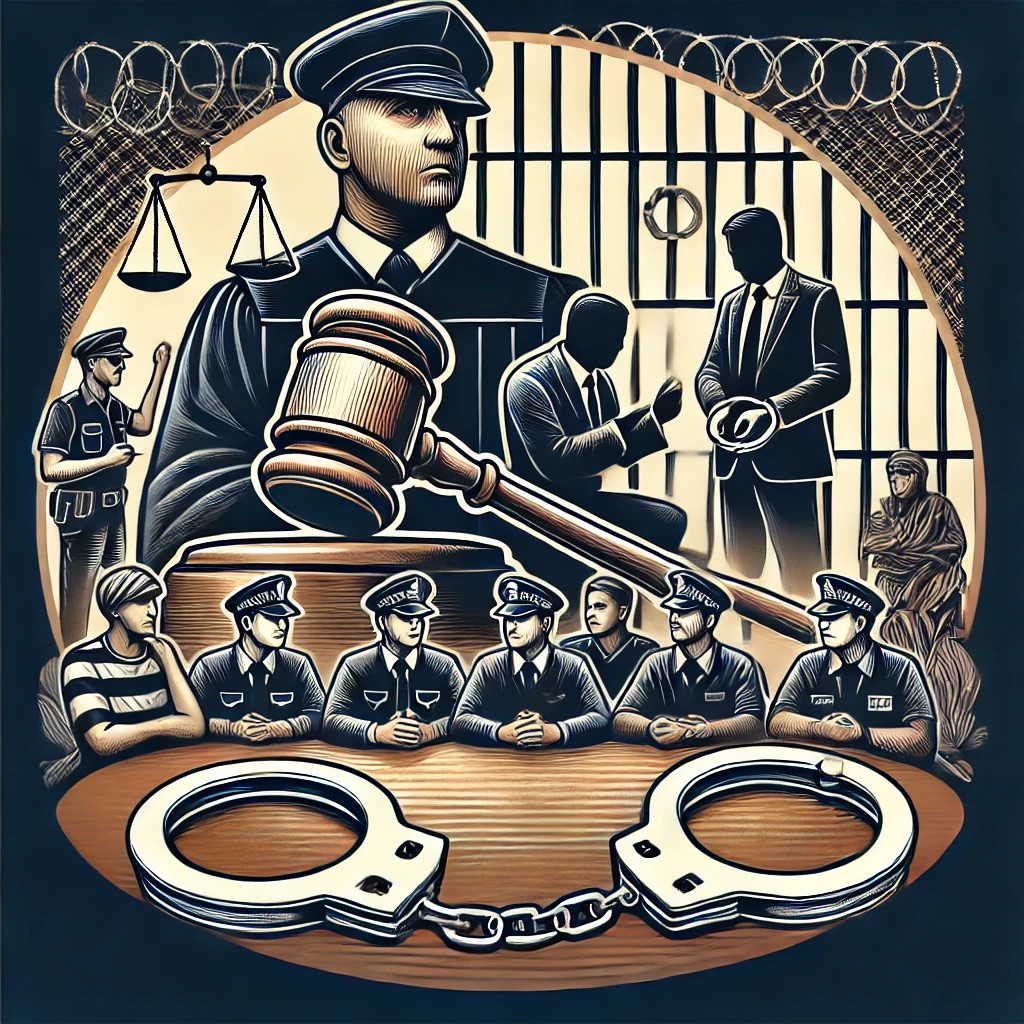
Penology in the Cayman Islands, a British Overseas Territory, is shaped by the region’s historical ties to the United Kingdom, its small population, and its status as an international financial hub. The penal system in the Cayman Islands reflects a blend of traditional British-style law and modern rehabilitation-oriented practices, but it faces challenges typical of small jurisdictions, including overcrowding, resource limitations, and the need to align with evolving human rights standards.
⚖️ 1. Legal and Institutional Framework
A. Criminal Law and Penal System
The Cayman Islands’ criminal law is based on English common law, modified by local statutes.
The Penal Code outlines criminal offenses and punishments. The law includes provisions for both custodial sentences and alternatives to imprisonment such as fines, community service, and probation.
Prison administration is governed by the Cayman Islands Prison Service, which operates the HMP Northward (for men) and HMP Fairbanks (for women).
B. Sentencing and Punishments
The prison system includes detention centers, open prison systems, and options for home detention under electronic monitoring.
The death penalty was formally abolished in 2004, in line with international human rights standards, though life imprisonment and long-term sentences remain available for serious crimes.
🏛️ 2. Characteristics of the Cayman Islands Penal System
A. Prison System Overview
The Northward Prison is the primary facility for male prisoners, with a capacity of around 200 inmates.
Fairbanks Prison serves women and has a significantly smaller capacity.
Both prisons are located on the island of Grand Cayman, the most populous of the three islands.
The facilities are designed to balance security with opportunities for rehabilitation and education.
B. Overcrowding and Conditions
Overcrowding is a challenge in the Cayman Islands prison system, especially in Northward Prison, which often operates above capacity.
Living conditions in prisons are considered basic but generally humane. However, overcrowding places stress on resources such as access to healthcare, recreational facilities, and rehabilitation programs.
Prisoners' rights are protected under local law, and there are mechanisms for oversight by international bodies, though there have been occasional concerns raised about conditions.
💡 3. Rehabilitation and Reintegration Efforts
A. Educational and Vocational Programs
The Cayman Islands Prison Service has introduced several rehabilitation programs, including educational and vocational training aimed at preparing prisoners for reintegration into society.
Programs include:
Basic literacy and numeracy courses
Vocational training in fields like construction, plumbing, and agriculture
Life skills programs designed to improve personal development and reduce recidivism.
B. Substance Abuse and Counseling
Substance abuse treatment is available, including counseling and support groups to help prisoners with addiction issues.
Psychological services and mental health care are offered to address the needs of individuals with underlying psychiatric conditions.
C. Work and Restorative Justice
Prisoners are expected to participate in work programs, which may include jobs within the prison or opportunities in community-based projects.
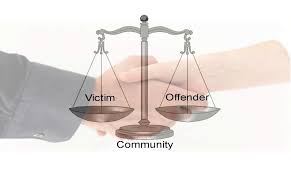
Restorative justice initiatives are not as widespread as in some other jurisdictions but are gradually being introduced in an effort to repair harm between offenders and victims, when appropriate.
🌍 4. International Human Rights and Oversight
A. Compliance with Human Rights Standards
As a British Overseas Territory, the Cayman Islands is subject to oversight by the United Kingdom, which upholds international human rights treaties, including the European Convention on Human Rights (ECHR) and the United Nations Standard Minimum Rules for the Treatment of Prisoners.
The Ombudsman in the Cayman Islands handles complaints from prisoners regarding their treatment, and there is regular monitoring of prison conditions by external human rights organizations.
B. Prisons and International Relations
Although not a member of the European Union, the Cayman Islands maintains strong relationships with the UK and adheres to international human rights principles.
Prisoners’ access to legal counsel is upheld, and there is a legal framework for appeals against detention conditions or sentences.
🔒 5. Juvenile Justice System
The Cayman Islands have a separate juvenile justice system for young offenders, with special attention to rehabilitation and education rather than punishment.
Juveniles may be detained in the Juvenile Detention Centre, and they have access to specialized programs aimed at preventing future offenses, such as education, counseling, and family-based interventions.
🚨 6. Challenges and Areas for Reform
A. Overcrowding
Overcrowding in Northward Prison remains a significant issue. While the government has explored expanding prison capacity, the small size of the islands and limited resources make addressing overcrowding a complex challenge.
B. Mental Health and Substance Abuse
Despite progress, mental health issues and substance abuse continue to be concerns within the prison population.
There is a need for enhanced mental health support and more comprehensive addiction treatment programs to address these challenges effectively.
C. Financial Constraints
The Cayman Islands’ small budget and economic constraints make it difficult to fully fund the rehabilitation programs, and resources can be limited for staff training, infrastructure improvements, and expanded services.
🌱 7. Future Directions and Reforms
A. Expansion of Rehabilitation Programs
As part of prison reform efforts, the government has been considering the expansion of rehabilitation programs to include more specialized training for offenders, alternative sentencing options, and improved vocational training to ensure successful reintegration into society.
B. International Assistance
The Cayman Islands continues to collaborate with UK-based organizations and international bodies to improve prison conditions, reduce recidivism, and enhance the overall quality of life for prisoners.
C. Restorative and Alternative Justice
Future reforms may include expanding restorative justice practices, where offenders can directly engage with victims to repair harm and understand the consequences of their actions.
Conclusion
Penology in the Cayman Islands is focused on balancing punishment with rehabilitation within a relatively small and resource-limited context. While the system faces challenges such as overcrowding, mental health issues, and limited funding, the Cayman Islands has made strides in ensuring educational opportunities and vocational training for prisoners. The country’s penal system is influenced by its relationship with the United Kingdom and its commitment to human rights. There is ongoing work to improve conditions, enhance rehabilitation programs, and explore alternative sentencing approaches.
RELATED Blog







comments