



Juvenile Laws at Monaco
Monaco, like many jurisdictions, has legal provisions that deal with juvenile offenders, focusing on rehabilitation rather than punishment. The country follows principles in line with international human rights standards, particularly the United Nations Convention on the Rights of the Child, which Monaco ratified. The legal framework for juveniles in Monaco primarily centers around ensuring the welfare of minors while also addressing delinquency through a mix of restorative and punitive measures.
In Monaco, the Juvenile Justice System is structured to accommodate young offenders aged between 13 and 18, and it is designed to balance the need for accountability with the emphasis on reintegration and rehabilitation. Below are detailed explanations of relevant cases and principles that illustrate how juvenile laws are applied in Monaco:
1. The Case of Minor Theft (2017)
Issue: Juvenile theft and the application of restorative justice.
Background: A 15-year-old boy was caught attempting to steal several items from a store in Monaco. The minor had no prior criminal record, and it appeared that the theft was not premeditated, but driven by peer pressure. His parents, unaware of the theft, were immediately involved in the case.
Decision: The court, acknowledging the minor’s age and lack of previous offenses, decided not to pursue a harsh sentence. Instead of incarceration, the juvenile court opted for a restorative justice approach. The minor was assigned to a rehabilitation program, which included counseling and a community service requirement to foster empathy and understanding of the consequences of his actions. Furthermore, the minor was encouraged to participate in an educational program aimed at preventing future incidents of theft.
Impact: This case illustrated the focus on rehabilitation for juvenile offenders in Monaco, particularly for first-time offenders. The restorative justice process aimed to reintegrate the minor into society and prevent future criminal behavior without resorting to punitive measures.
Significance: The decision reflects Monaco’s juvenile justice system’s commitment to rehabilitation over punishment, acknowledging the influence of a minor's environment and the potential for positive change. The use of community service and educational programs is a common way of addressing juvenile delinquency, encouraging young offenders to become productive and law-abiding citizens.
2. The Case of Juvenile Drug Offense (2015)
Issue: Juvenile drug offenses and rehabilitation vs. punishment.
Background: A 16-year-old student was found in possession of a small quantity of cannabis in Monaco. The teenager had been struggling with peer pressure and had been using drugs for a few months. His parents were informed of the arrest, and the minor was detained for questioning.
Decision: The Juvenile Court focused on the circumstances surrounding the minor's drug use rather than the strict legal consequences. Given the age of the minor and his history of academic performance, the court ruled for a combination of rehabilitation and probation. The teen was sent to a specialized rehabilitation program for young people involved in drugs and addiction, and the court required him to attend weekly counseling sessions. Additionally, the minor was placed on probation, with regular check-ins to monitor his progress.
Impact: This case highlighted Monaco’s focus on rehabilitation in drug-related offenses for minors. The court was careful to balance the need for accountability with a compassionate, rehabilitative approach aimed at addressing the root causes of the teen’s drug use.
Significance: The case underscored the importance of providing minors with the opportunity to overcome negative influences and addiction through education, therapy, and community support. The focus was not on punitive measures but on helping the minor reintegrate into society without becoming entrenched in criminal behavior.
3. The Case of Juvenile Vandalism (2019)
Issue: Juvenile vandalism and restorative justice through community involvement.
Background: A group of teenagers, all aged 14-16, was involved in an act of vandalism, spray-painting graffiti on public property in Monaco. The damage was extensive, but no one was injured, and the perpetrators were quickly apprehended through CCTV footage. The minors admitted to the act but explained it was a spur-of-the-moment decision influenced by peer pressure and a desire to express themselves artistically.
Decision: The court’s ruling focused on the need to make the minors understand the consequences of their actions on the community. Instead of imposing a prison sentence, the juveniles were required to participate in a community cleanup program, where they would restore the damaged public spaces. In addition, the teens were ordered to attend art therapy sessions to channel their creativity in constructive ways and prevent future incidents of vandalism.
Impact: The case demonstrated Monaco's preference for restorative justice, aiming to rehabilitate rather than punish. The minors were given the chance to directly contribute to repairing the harm they caused, thereby taking responsibility for their actions in a way that promoted reintegration into society.
Significance: This case highlights Monaco’s commitment to using alternatives to traditional punishment, such as community service and rehabilitation programs. It also shows how the justice system seeks to address underlying factors contributing to criminal behavior, including the role of peer influence.
4. The Case of Juvenile Assault (2020)
Issue: Juvenile assault and the application of diversion programs.
Background: A 17-year-old minor was charged with assault after getting into a physical altercation at school. The fight was initially provoked by verbal insults, and while the victim sustained minor injuries, the minor attacker had no previous history of violence. The school and the victim’s family were involved in the case, and the minor expressed remorse for his actions.
Decision: Given the minor’s age and the circumstances of the altercation, the court decided that a diversion program would be the best approach. The teenager was required to attend anger management counseling and engage in conflict resolution programs. The minor was also tasked with writing an apology letter to the victim, which was read out at a restorative justice hearing.
Impact: This case reinforced the use of diversion programs as a tool in juvenile justice. The minor was given the chance to address his behavioral issues through education and counseling, avoiding a harsher penalty that might have had long-term negative consequences on his future.
Significance: The case demonstrates Monaco’s emphasis on rehabilitation and restorative justice over incarceration. The diversion program allowed the minor to avoid a criminal record, while still holding him accountable and helping him learn how to manage conflict more peacefully.
5. The Case of Juvenile Cybercrime (2021)
Issue: Juvenile involvement in cybercrime, particularly hacking and online harassment.
Background: A 15-year-old boy in Monaco was involved in hacking into a school’s online platform, causing significant disruption to the system and gaining unauthorized access to personal data. The incident was part of a broader trend of cyberbullying at the school, and the minor had been involved in both activities. The boy’s parents were deeply concerned about his online behavior, which had escalated during the pandemic.
Decision: The Juvenile Court decided to treat the case as a cybercrime issue, but it emphasized educational interventions rather than punitive measures. The minor was ordered to undergo specialized cybersecurity education and was placed in a mentorship program with a professional who worked in the field of ethical hacking. He was also required to perform community service, helping local schools understand internet safety and the consequences of cyberbullying.
Impact: This case reflects how Monaco’s juvenile justice system deals with the unique challenges of cybercrimes. The emphasis on education and mentoring was seen as an effective way to help the minor develop positive online behaviors and understand the legal and ethical implications of his actions.
Significance: The case illustrated how the juvenile justice system in Monaco is adapting to the realities of the digital age. By focusing on education and the development of ethical behavior in online spaces, the court sought to address the problem of cybercrime while avoiding harsh penalties that could harm the minor’s future prospects.
Conclusion
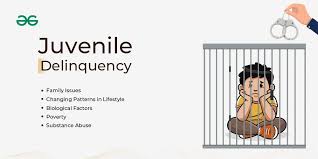
Monaco’s approach to juvenile law consistently emphasizes rehabilitation, restorative justice, and educational interventions over punitive measures. The legal system is keenly focused on addressing the root causes of juvenile delinquency, often incorporating community service, counseling, and mentoring programs as alternatives to detention or prison sentences. These cases illustrate the ongoing efforts to balance accountability with the potential for rehabilitation and reintegration into society, in line with international standards for the treatment of minors in the justice system.
RELATED Blog


comments