



Juvenile Justice Reforms And Alternatives To Incarceration
Juvenile Justice Reforms and Alternatives to Incarceration
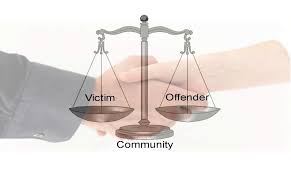
Juvenile justice reforms aim to address the treatment and rehabilitation of minors who commit crimes, focusing on their developmental needs and the principle of rehabilitation over punishment. Traditionally, juveniles who broke the law were subjected to the same penalties as adults, but over time, there has been a shift towards rehabilitation-oriented approaches. Alternatives to incarceration have emerged as key methods to avoid the harmful effects of placing juveniles in adult correctional facilities. These alternatives include diversion programs, community service, restorative justice, and rehabilitative therapies.
Below, we explore several key cases that have shaped juvenile justice reforms, focusing on the evolving treatment of juvenile offenders and the growing emphasis on alternatives to incarceration.
1. The United States: "In re Gault" (1967)
Overview:
In re Gault is one of the landmark U.S. Supreme Court cases that fundamentally altered the juvenile justice system. The case addressed the issue of procedural fairness in juvenile courts, particularly regarding due process rights for juveniles.
Case Facts:
Gerald Gault, a 15-year-old boy in Arizona, was taken into juvenile detention after being accused of making an obscene phone call to a neighbor. His case proceeded without a lawyer, a formal hearing, or adequate notice to his parents. The case highlighted the lack of procedural protections for juveniles in juvenile court proceedings.
Judgment:
The U.S. Supreme Court ruled that juveniles are entitled to certain due process rights under the Constitution, including the right to be informed of charges, the right to counsel, the right to confront witnesses, and the right to remain silent. This case marked a significant shift in juvenile justice by recognizing that juveniles should be afforded protections similar to those of adults in criminal proceedings.
Impact on Juvenile Justice Reform:
The ruling led to nationwide reforms in the juvenile justice system, requiring that juveniles be given the same basic due process rights as adults in criminal cases. It reinforced the idea that juvenile courts should not operate with the assumption that juveniles are inherently less deserving of procedural fairness. This case also set the stage for later reforms focusing on rehabilitation rather than punitive measures.
2. The United States: "Roper v. Simmons" (2005)
Overview:
Roper v. Simmons was a U.S. Supreme Court case that declared it unconstitutional to impose the death penalty on juvenile offenders who committed their crimes before the age of 18. This decision was significant in terms of evolving views on juvenile culpability and the ability of minors to reform.
Case Facts:
Christopher Simmons, a 17-year-old, was convicted of murder in Missouri and sentenced to death. His legal team argued that executing juveniles violated the Eighth Amendment's prohibition on "cruel and unusual punishment." Simmons was sentenced to death when he was a teenager, which led to the argument that juveniles, due to their developmental stage, should not be subjected to the most extreme punishment.
Judgment:
In a 5-4 decision, the U.S. Supreme Court ruled that it is unconstitutional to execute individuals who were under 18 at the time of their crimes. The Court cited the growing consensus that juveniles have lessened culpability due to their lack of maturity and impulsive behavior, which makes them more amenable to rehabilitation.
Impact on Juvenile Justice Reform:
This case was a major step toward acknowledging that juveniles are different from adults in terms of their capacity for judgment and change. It was instrumental in shifting away from punitive approaches and reinforced the notion that juveniles should be treated differently in terms of sentencing, especially when it comes to irreversible punishments like the death penalty.
3. The United States: "Miller v. Alabama" (2012)
Overview:
Miller v. Alabama further extended juvenile justice reforms by addressing life imprisonment without parole (LWOP) sentences for juveniles convicted of murder. This case was critical in recognizing the need to limit harsh, lifelong sentences for juveniles based on their potential for rehabilitation.
Case Facts:
Evan Miller, a 14-year-old, was convicted of murder and sentenced to life without the possibility of parole. His legal team argued that the sentence violated the Eighth Amendment’s prohibition on cruel and unusual punishment, as it did not take into account the offender’s age or potential for rehabilitation.
Judgment:
The Supreme Court ruled in a 5-4 decision that mandatory life sentences without the possibility of parole for juveniles violate the Eighth Amendment. The Court emphasized that juveniles should be given individualized sentencing, with consideration of their age, maturity, and the potential for change.
Impact on Juvenile Justice Reform:
This case significantly impacted juvenile sentencing laws, requiring that judges consider factors such as the age and developmental maturity of juveniles before imposing life sentences without the possibility of parole. It further supported the notion that juveniles should not face the same harsh sentences as adults, particularly in light of their potential for reform and rehabilitation.
4. The United States: "Kent v. United States" (1966)
Overview:
Kent v. United States was a key case in juvenile justice reform that addressed the issue of transferring juveniles to adult court. It established critical procedural safeguards for juveniles who are being tried as adults.
Case Facts:
Morris Kent, a 16-year-old, was accused of serious crimes, including rape and robbery. The juvenile court in Washington, D.C. transferred him to adult court for trial without a hearing or written findings of why he should be transferred.
Judgment:
The U.S. Supreme Court ruled that juveniles are entitled to a hearing and a statement of reasons before being transferred to adult court. The Court emphasized that the decision to waive juvenile jurisdiction must be based on a thorough review of the case, including the juvenile’s background and the circumstances of the crime.
Impact on Juvenile Justice Reform:
Kent v. United States set important precedents in ensuring that juveniles were not arbitrarily transferred to adult courts. The decision prompted further reforms in how juvenile courts handle transfers to adult criminal courts, emphasizing that such decisions require careful deliberation and procedural fairness.
5. The United Kingdom: "R v. A" (2001)
Overview:
The R v. A case in the United Kingdom involved the legal treatment of juvenile offenders in relation to alternative sentencing methods, such as restorative justice. This case is notable for highlighting the importance of rehabilitative measures over incarceration for young offenders.
Case Facts:
A 16-year-old boy (known only as A due to anonymity laws) was convicted of serious assault. His defense argued that he should not be sent to prison, as he had the potential for rehabilitation and should be given a chance to reintegrate into society.
Judgment:
The court ruled in favor of alternative sentencing, emphasizing the young offender's potential for rehabilitation. The judge opted for a restorative justice approach, including community service and direct involvement in repairing harm done to the victim.
Impact on Juvenile Justice Reform:
This case was a milestone in promoting restorative justice and alternative sentencing options for juvenile offenders in the UK. It highlighted the need for a justice system that prioritizes rehabilitation, reconciliation, and community-based solutions rather than resorting to incarceration. Over time, this has led to increased use of community-based interventions, diversion programs, and restorative justice models in the UK and other jurisdictions.
Conclusion: The Shift Toward Rehabilitation and Alternatives
Juvenile justice reforms, reflected in landmark cases such as In re Gault, Roper v. Simmons, and Miller v. Alabama, have increasingly emphasized the need to treat juvenile offenders differently from adults. These decisions reinforce the idea that juveniles, due to their age, immaturity, and capacity for change, should not face the same punitive measures as adults.
Alternatives to incarceration—such as restorative justice, diversion programs, and community service—have gained significant traction as part of the broader movement toward rehabilitative justice. These alternatives aim to address the root causes of delinquency, reduce recidivism, and help young offenders reintegrate into society.
Ultimately, these cases and reforms demonstrate that the juvenile justice system is moving away from punitive measures toward a more rehabilitative and restorative approach, better suited to the developmental needs of young offenders. This shift reflects a growing recognition that young people are more capable of reform and should be given opportunities to rehabilitate rather than simply punish.
RELATED Blog









comments