



Ipr In Virtual Property Rights.
IPR in Virtual Property Rights
1. Introduction
Virtual property refers to digital assets or property that exists in virtual or online environments. This includes:
In-game assets (skins, virtual currency, virtual real estate)
Domain names
NFTs (Non-Fungible Tokens)
Virtual goods in metaverse platforms (avatars, digital fashion, virtual plots)
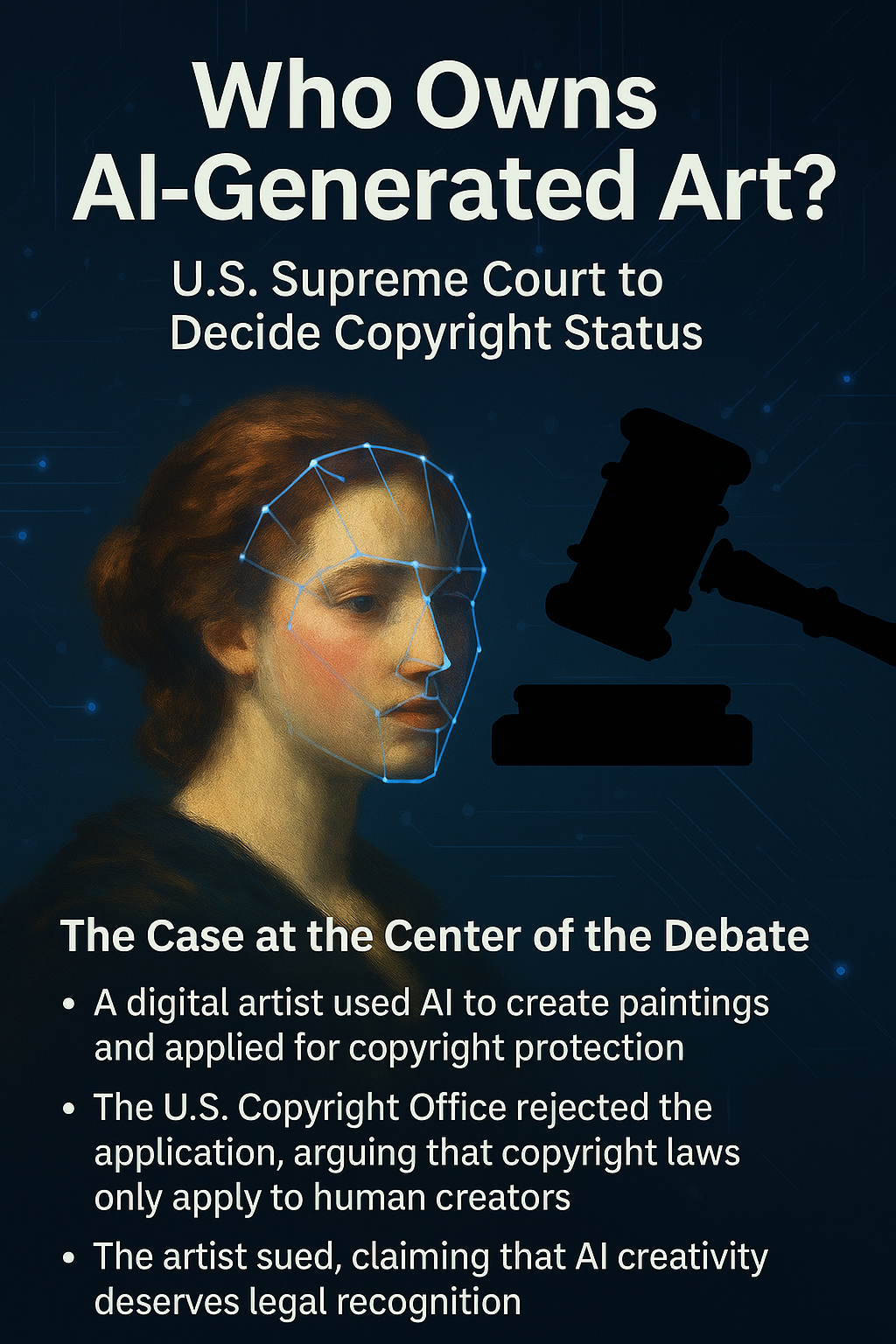
Software-generated or AI-generated digital content
Virtual property raises unique IPR questions because:
It exists only digitally, yet has real-world economic value.
Ownership, transfer, and licensing differ from physical property.
Traditional IPR frameworks (copyright, trademark, patents) may only partially apply.
2. Types of IPR Relevant to Virtual Property
| IPR Type | Application in Virtual Property |
|---|---|
| Copyright | Protects creative works: in-game designs, graphics, software code, virtual art |
| Trademark | Brand names in virtual worlds, logos, metaverse stores |
| Patent | Algorithms, virtual platforms, VR/AR technology |
| Trade Secrets | Game engine technology, virtual economy algorithms |
| Domain Names / Metaverse Plots | Protected under cybersquatting and virtual property law |
| NFT Ownership | Ownership recorded via blockchain, tied to digital rights |
3. Key IPR Issues in Virtual Property
Ownership – Does the platform own the assets, or the user?
Transferability – Can virtual goods be sold or licensed?
Infringement – Unauthorized copying, resale, or branding of virtual items.
Copyright vs License – Many platforms grant users a license, not full ownership.
Interoperability – Reuse of assets across different virtual environments.
4. Important Case Laws in Virtual Property
Case 1: Bragg v. Linden Research, Inc. (2007, U.S.)
Issue:
Virtual property rights in Second Life (virtual world).
Facts:
Bragg sued Linden Lab after his virtual land in Second Life was deleted without compensation.
Claimed it was property theft.
Judgment:
Court ruled that users do not own virtual property outright; they hold licenses governed by platform terms.
Principle:
Virtual property in online platforms is generally license-based, not true property.
Case 2: Blizzard Entertainment, Inc. v. BnetD Project (2005, U.S.)
Issue:
Copyright infringement and reverse engineering of game servers.
Facts:
BnetD reverse-engineered Blizzard’s Battle.net server software to enable private servers.
Blizzard sued for copyright infringement.
Judgment:
Court held reverse-engineering of copyrighted software without license is infringement.
Principle:
Virtual property rights (in-game software and servers) are protected under copyright law.
Case 3: MDY Industries, LLC v. Blizzard Entertainment, Inc. (2008, U.S.)
Issue:
Automated software (bots) violating game licensing agreements.
Facts:
MDY created “Glider,” a bot for World of Warcraft.
Players used it to automate in-game activity, giving unfair advantage.
Judgment:
Court ruled that using bots violated Blizzard’s EULA (End User License Agreement).
Noted that license agreements control virtual property use.
Principle:
Virtual property rights in games are often contractual rights, enforceable through EULAs.
Case 4: Ringer v. Sony Online Entertainment (2013, U.S.)
Issue:
Theft of virtual items in EverQuest II.
Facts:
Ringer claimed his in-game items were stolen by another user and sought legal remedy.
Judgment:
Court emphasized virtual items have economic value, but recovery is limited due to license-based ownership.
Principle:
Courts recognize virtual goods as valuable digital assets, but enforcement depends on platform agreements.
Case 5: Vaynerchuk v. Topshot (2021, U.S.)
Issue:
NFT copyright and virtual property rights.
Facts:
Topshot (NBA NFT platform) sold digital collectibles, some allegedly using copyrighted content without permission.
Judgment:
Court noted that NFT ownership is separate from copyright; buyer owns the token, not the underlying creative work unless explicitly licensed.
Principle:
NFTs confer ownership of token/ledger entry, not necessarily the copyrighted content.
Case 6: United States v. Linden Lab (2011, U.S.)
Issue:
Tax and legal liability for virtual currency (Linden Dollars).
Facts:
Linden Lab operated a virtual currency exchange.
Users converted virtual currency to real money.
Judgment:
Virtual currency transactions were considered taxable economic activity.
Principle:
Virtual property with real-world value may attract IPR, contractual, and financial regulation.
Case 7: Atari v. Redbubble (Australia, 2018)
Issue:
Copyright infringement in virtual game merchandise.
Facts:
Redbubble sold T-shirts with images from Atari games.
Atari claimed copyright infringement.
Judgment:
Court granted injunctions and damages.
Highlighted that digital/virtual game content is copyrightable.
Principle:
Virtual property can be enforced via traditional copyright laws in derivative or merchandising contexts.
5. Key Principles from Case Laws
| Case | Virtual Property Type | Legal Principle |
|---|---|---|
| Bragg v. Linden Lab | Virtual land | Users have license-based rights, not ownership |
| Blizzard v. BnetD | Game server/software | Copyright protects virtual worlds and servers |
| MDY v. Blizzard | Game bots | EULA/license governs user behavior; contractual enforcement |
| Ringer v. SOE | In-game items | Virtual items have economic value, enforcement depends on license |
| Vaynerchuk v. Topshot | NFTs | NFT ownership ≠ copyright of creative work |
| US v. Linden Lab | Virtual currency | Virtual property can have real-world economic/legal implications |
| Atari v. Redbubble | Game graphics | Copyright protects virtual content in merchandise |
6. Conclusion
Virtual property is mostly license-based: Users rarely own assets outright; platform terms govern usage.
Copyright and trademark laws still apply: Virtual worlds, NFTs, game servers, and merchandise are protected.
NFTs and blockchain introduce new challenges: Ownership of a token does not equal copyright ownership.
Economic value is recognized: Courts increasingly treat virtual property as legally significant assets.
Enforcement depends on contracts, IP law, and jurisdiction: EULAs, licensing agreements, and copyright protection are central to defending virtual property rights.
Takeaway:
Virtual property is a hybrid of IP rights, digital contracts, and emerging blockchain laws, and legal precedents are gradually evolving to treat digital assets as legally enforceable property.
RELATED Blog



comments