



Ipr In Licensing Vr/Ar/Mr Assets
IPR in Licensing VR/AR/MR Assets
1. What Are VR/AR/MR Assets?
VR, AR, and MR assets include:
3D models, environments, avatars, and objects
Software code, scripts, and engines
Textures, audio, and animation
Interactive scenarios, gamified training modules
Augmented overlays for real-world applications
Licensing of these assets involves granting permission to others to use, modify, distribute, or display them under agreed terms.
2. IPR Issues in VR/AR/MR Licensing
A. Copyright
Protects the creative expression of 3D models, textures, animations, and code.
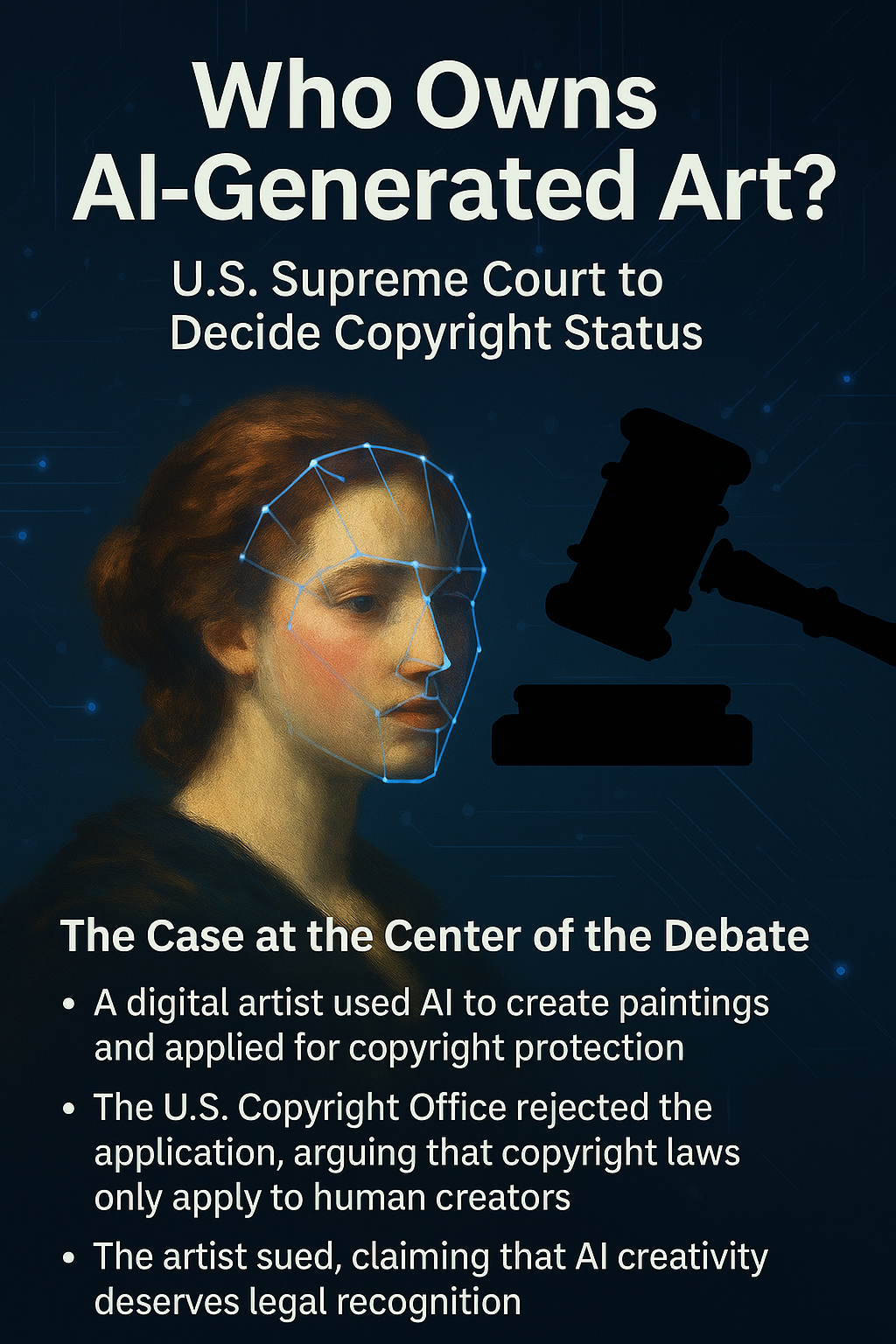
AI-generated VR/AR assets may raise questions of authorship.
Example: 3D model of a cityscape created in Unity or Unreal Engine.
B. Patent
Protects technical innovations like haptic feedback devices, gesture recognition systems, and immersive rendering techniques.
Example: Patent on “Method of AR-based remote surgical assistance.”
C. Trademark
Protects branding within VR/AR environments (logos in virtual stores, branded virtual objects).
D. Trade Secrets
Proprietary shaders, rendering algorithms, motion capture techniques, or AI-assisted asset creation tools.
E. Licensing Considerations
Exclusive vs Non-exclusive licenses: Only the licensee can use vs multiple users can use.
Geographical scope: Worldwide vs regional.
Derivative works: Whether licensee can modify or create derivatives.
Platform restrictions: Mobile, PC, standalone headset.
Key Legal Challenges in VR/AR/MR Licensing
Ownership of Digital Assets
Who owns assets created by freelancers, employees, or AI tools?
Derivative Works
Can a VR game developer modify a licensed 3D model?
Infringement
Copying or distributing VR/AR environments without license.
Interoperability
Using licensed assets across multiple VR/AR platforms.
Enforcement
Digital assets are easy to copy; technical measures (DRM) and contracts are essential.
Detailed Case Laws
1. Netscape v. SKYY Spirits (2001, USA)
Facts:
A company created an interactive VR ad campaign in which brand logos and animations were integrated. SKYY Spirits alleged infringement on their trademarks in a VR environment.
Legal Issue:
Can trademarks be infringed in virtual environments?
Judgment:
The court held that trademarks apply in VR just as in the physical world.
Liability arises if a virtual environment misleads consumers or uses a logo without authorization.
Principle Established:
Trademark rights extend to immersive and digital platforms, including VR and AR.
Relevance to VR/AR Licensing:
Licensed assets must respect trademark laws, especially branded objects in virtual spaces.
2. Lucasfilm Ltd. v. High Frontier (1985, USA)
Facts:
High Frontier created VR-based Star Wars-themed experiences without Lucasfilm’s authorization.
Legal Issue:
Copyright infringement in digital interactive media.
Judgment:
Court recognized that visual and interactive content in virtual simulations is copyrightable.
Unauthorized use, even in VR simulations, constitutes infringement.
Principle Established:
Copyright protects characters, environments, and storylines, including VR simulations.
Relevance:
Licensing agreements for VR assets must clearly define scope, derivatives, and redistribution rights.
3. Epic Games v. Silicon Studio (2018, USA)
Facts:
Epic Games claimed that Silicon Studio used Unreal Engine assets and shaders beyond their license scope.
Legal Issue:
Breach of license agreement and copyright over game engine assets.
Judgment:
Court held that license agreements define permissible use, and exceeding the license constitutes infringement.
Principle Established:
Licensing contracts are critical in VR/AR/MR asset use; misuse can lead to copyright and contractual liability.
Relevance:
VR/AR asset creators must draft clear licensing terms, including modification rights and platform restrictions.
4. Roblox Corporation Cases (Various, USA, 2020-2022)
Facts:
Several cases arose from users uploading unauthorized 3D models, music, and scripts into Roblox games.
Legal Issue:
Copyright infringement in user-generated VR/AR content.
Judgment:
Courts emphasized platform liability and DMCA safe harbor:
Platforms are protected if they act promptly on takedown notices.
Users uploading assets must respect copyright.
Principle Established:
Licensing of VR/AR assets applies to platforms and end-users; intermediaries are protected if due diligence is maintained.
Relevance:
Companies must include licensing enforcement mechanisms in VR/AR platforms.
5. Tetris Holding, LLC v. Xio Interactive, Inc. (2012, USA)
Facts:
Xio created a mobile VR version of Tetris using identical game mechanics and visual style.
Legal Issue:
Whether game mechanics and visual design in VR are copyrightable.
Judgment:
Court found infringement because look and feel of the game was copied, even though underlying mechanics are not protected.
Principle Established:
Visual and interactive expression in VR/AR/MR, not just code, is copyrightable.
Relevance:
Licensing VR assets should explicitly define usage scope, visual replication rights, and derivative work limitations.
6. Microsoft v. LizardTech (2005, USA)
Facts:
LizardTech developed spatial mapping and rendering algorithms used in AR applications; Microsoft challenged unauthorized use.
Legal Issue:
Patent infringement of 3D mapping and rendering algorithms.
Judgment:
Courts recognized patents over novel technical methods used in AR/VR.
Principle Established:
Patents protect technical innovations behind VR/AR assets, not just the visual design.
Relevance:
Licensing agreements must account for underlying patented technologies, not only the content.
7. Magic Leap & VR/AR Startups – Employment & IP (Ongoing)
Facts:
Disputes arose over ownership of VR/AR assets developed by employees or contractors.
Legal Issue:
Who owns IP created using company resources?
Are freelance or AI-assisted creations owned by the company?
Judgment / Industry Standard:
Employment contracts usually assign IP to the company.
Contractors retain IP unless assignment agreements exist.
Principle Established:
Clear contracts and IP assignment are essential for VR/AR/MR asset licensing and ownership.
Summary Principles for Licensing VR/AR/MR Assets
| Aspect | Legal Principle | Key Takeaways |
|---|---|---|
| Copyright | Protects 3D models, textures, animations, scripts | Licensing must define modification, redistribution, and derivative rights |
| Patent | Protects technical innovations in AR/VR devices & software | Licenses must respect patented algorithms or SDKs |
| Trademark | Logos and branded content in virtual environments | Use of branded objects requires explicit permission |
| Trade Secrets | Proprietary shaders, AI tools, motion capture techniques | License agreements should include confidentiality clauses |
| Platform Liability | DMCA / Safe harbor rules | VR platforms must act on takedown notices to avoid liability |
| Contractual Clarity | Ownership, scope, duration, exclusivity | Clear licensing contracts prevent disputes |
✅ Key Takeaways
Copyright extends to interactive VR/AR/MR assets, not just static content.
Patents protect underlying technical methods, like spatial mapping, rendering, and haptic feedback.
Trademarks apply to branded objects in virtual worlds.
Contracts define the scope of licensed use, derivative works, and platform restrictions.
Platform operators must enforce licensing rules to maintain safe harbor protections.
Employee/contractor IP assignment is critical in collaborative VR/AR/MR development.
RELATED Blog



comments