



Ipr In Licensing Architectural Designs
IPR in Licensing Architectural Designs
1. Introduction
Architectural designs are intellectual creations that combine functionality, aesthetics, and technical innovation. Licensing these designs allows architects, firms, and developers to commercially exploit their creations while protecting their intellectual property rights.
Intellectual Property Rights (IPR) relevant to architectural designs include:
Copyright: Protects the artistic and creative aspects of architectural plans, blueprints, models, and renderings.
Design Rights: Protects the aesthetic appearance of buildings or structures.
Trademarks: Used for branding architectural firms or signature designs.
Patents: Applicable to innovative structural systems or building technologies.
Trade Secrets: Protects proprietary design processes, software, or methodologies.
Licensing is a strategic tool that allows architectural designs to be used by third parties while retaining IP ownership, generating revenue, and controlling quality.
2. Key Concepts in Licensing Architectural Designs
Exclusive vs Non-Exclusive License
Exclusive: Licensee is the only party allowed to use the design.
Non-exclusive: Licensor can license the same design to multiple parties.
Scope of License
Territorial limits
Duration
Purpose (commercial, residential, educational, etc.)
Royalty Structures
Fixed fee, percentage of project cost, or lump sum.
Moral Rights
Architects often retain the right to attribution and protection against distortion.
3. Legal Protection Mechanisms
| IPR Type | Relevance to Architectural Designs |
|---|---|
| Copyright | Protects drawings, blueprints, renderings, digital models |
| Design Rights | Protects unique aesthetic features of buildings |
| Patents | Protects technical innovations (e.g., modular structures, eco-friendly systems) |
| Trademark | Protects brand or signature elements |
| Trade Secrets | Protects proprietary design methods, AI-assisted modeling tools |
4. Key Challenges in Licensing Architectural Designs
Distinguishing between functional and aesthetic elements (copyright only protects non-functional creativity).
Unauthorized reproduction or modification.
Cross-border licensing and compliance.
Moral rights enforcement (especially attribution).
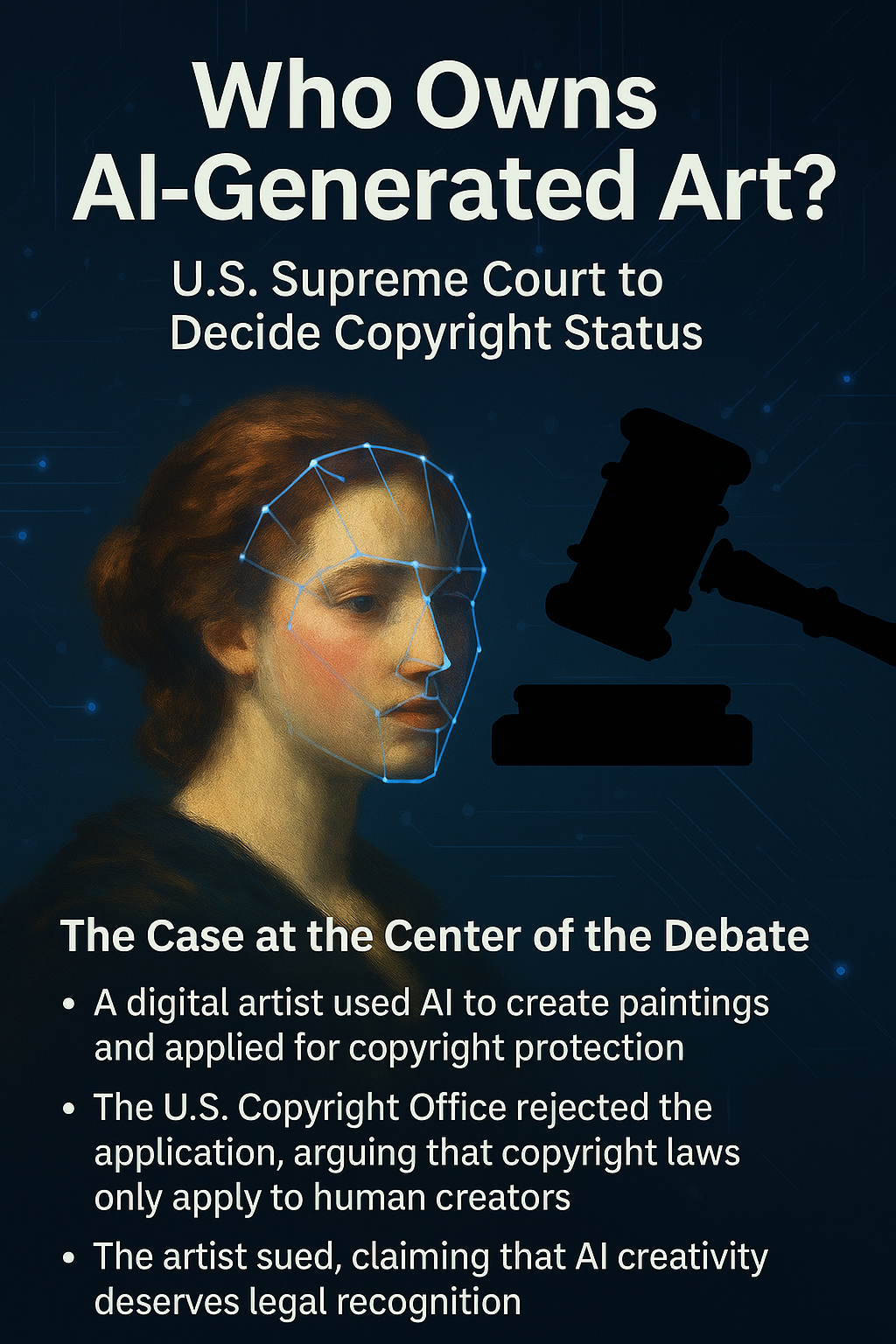
Integration of AI-generated or digital architectural designs.
5. Important Case Laws (Detailed Explanation)
Here are major cases shaping licensing and IP in architectural designs:
5.1 Narell v. Freeman (1993, US)
Facts:
Narell created resort condominium designs and licensed them to Freeman.
Freeman allegedly used the designs beyond the scope of the license.
Judgment:
Court emphasized that copyright protects architectural drawings but not the functional aspects of the buildings themselves.
Licensing agreements must clearly define usage scope.
Strategic Lesson:
Licensing contracts must delineate permitted use, territorial and temporal limits, and derivative works.
5.2 Bonito Boats, Inc. v. Thunder Craft Boats, Inc. (1989, US)
Facts:
Although primarily a patent case, it influenced design protection in architecture.
Court examined the limits of IP protection over functional elements.
Relevance:
Reinforces that architectural elements serving a functional purpose cannot be monopolized through copyright, only through patent or design rights if innovative.
5.3 Design Corporation v. Allied International (1985, UK)
Facts:
Design Corporation licensed architectural design models to Allied International.
Allied reproduced and modified designs without authorization.
Judgment:
Court upheld copyright and ruled unauthorized reproduction violated the license.
Strategic Lesson:
Licensing contracts must include clauses for modification, sublicensing, and enforcement remedies.
5.4 Feist Publications, Inc. v. Rural Telephone Service Co. (1991, US)
Facts:
Dispute over originality in compilations (telephone directories).
Relevance:
Courts require a minimum level of originality for copyright protection.
For architectural designs, purely functional or standard structures may not qualify—creative and unique designs are protected.
5.5 Berg v. Wiley (Architectural Licensing Dispute)
Facts:
Architect Berg licensed building designs for residential projects.
Licensee altered designs and used them commercially beyond the agreed purpose.
Judgment:
Court reinforced moral rights: attribution and protection against distortion.
Licensing must respect moral rights and usage scope.
5.6 Docomomo International Cases (EU Influence)
Facts:
Licensing of modernist architectural designs in Europe, including AI-assisted digital reproductions.
Ensured attribution and protection of unique stylistic elements.
Lessons:
Cross-border licensing requires compliance with local moral rights laws.
Licensing can include digital replicas or AI-generated derivatives.
5.7 Ladas v. UK Patents & Designs (2003, UK)
Facts:
Dispute over copyright of modern design models submitted for licensing.
Judgment:
Copyright protects the expression of the design, not functional principles.
AI-assisted modeling or digital renderings qualify for protection if original.
6. Corporate Best Practices for Licensing Architectural Designs
Detailed Licensing Agreements
Clearly define scope, duration, territory, and permitted modifications.
Protection of Digital and AI Models
Treat AI-generated design models as proprietary assets.
Apply trade secrets and copyright protections.
Moral Rights Clauses
Ensure attribution and integrity rights are respected.
Royalty and Revenue Management
Set clear structures for recurring payments.
Monitoring and Enforcement
Use technological tools to monitor unauthorized reproduction.
7. Future Trends
AI-Generated Architectural Designs: Ownership and licensing rights for AI-created buildings.
Digital Twin Licensing: Licensing 3D digital replicas of buildings for VR/AR use.
Blockchain for Licensing: Smart contracts for transparent royalty payments.
Global Harmonization: Align copyright, design rights, and patent protections across jurisdictions.
8. Conclusion
Licensing architectural designs is a complex intersection of copyright, design rights, patents, and trade secrets. Legal precedents such as Narell v. Freeman, Design Corporation v. Allied International, and Berg v. Wiley highlight the importance of clear contractual terms, originality, and respect for moral rights.
A robust corporate strategy involves drafting precise licenses, protecting digital/AI-generated designs, monitoring infringement, and adapting to global IP norms. This ensures architects and firms can monetize their creations while retaining control over their intellectual property.
RELATED Blog



comments