



Ipr In Corporate Governance For Media Ip.
1. Introduction
Corporate governance refers to the framework of rules, practices, and processes by which companies are directed and controlled. In the media industry, corporate governance plays a crucial role in managing Intellectual Property Rights (IPR), because media companies primarily rely on intangible assets such as:
Films and television programs
Music recordings
Broadcasting rights
Digital streaming content
Publishing works
Software and digital platforms
Brand trademarks and logos
Effective governance ensures:
Protection of intellectual property assets
Compliance with copyright and trademark laws
Risk management against infringement
Ethical licensing practices
Revenue maximization through IP exploitation
2. Role of Corporate Governance in Media IP
Corporate governance structures typically include:
A. Board-Level IP Strategy
Establish IP ownership policies
Approve licensing agreements
Monitor digital rights management.
B. Compliance Mechanisms
Anti-piracy enforcement
Contractual monitoring with creators
Copyright clearance systems.
C. Risk Management
Avoid infringement lawsuits
Manage reputational risks
Ensure regulatory compliance.
D. Monetization and Licensing
Franchising
Content syndication
Streaming rights distribution.
3. Copyright Governance in Media Corporations
Media companies must determine:
Ownership between employer vs creator
Work-for-hire agreements
Rights of performers and producers.
Case Law 1: Aalmuhammed v. Lee (2000)
Facts:
A consultant claimed co-authorship rights in the film “Malcolm X,” arguing creative contributions.
Legal Issue:
Whether significant creative contribution grants joint authorship.
Judgment:
Court held:
Joint authorship requires intent and control.
Corporate governance structures and contractual roles determine ownership.
Relevance:
Media corporations must clearly define authorship in governance policies.
Contracts should specify IP ownership.
Case Law 2: Community for Creative Non-Violence v. Reid (1989)
Facts:
A sculptor created artwork commissioned by an organization; dispute arose over copyright ownership.
Issue:
Whether the creator was an employee or independent contractor.
Judgment:
Court clarified “work made for hire” doctrine.
Governance Implication:
Media companies must establish clear employment relationships.
Governance policies should define ownership for commissioned content.
4. Platform Liability and Corporate Responsibility
Media corporations hosting user-generated content must implement governance policies to avoid liability.
Case Law 3: Viacom International Inc. v. YouTube Inc. (2012)
Facts:
Viacom alleged widespread copyright infringement on YouTube.
Judgment:
Court ruled:
Platforms receive safe harbor protection if they remove infringing content upon notice.
Governance Lessons:
Media companies must create robust takedown procedures.
Compliance frameworks reduce legal risk.
Case Law 4: MGM Studios Inc. v. Grokster Ltd. (2005)
Facts:
Peer-to-peer software facilitated illegal sharing of copyrighted media.
Issue:
Corporate liability for encouraging infringement.
Judgment:
Court held:
Companies inducing infringement may be liable.
Governance Implication:
Media technology companies must design systems that discourage piracy.
5. Trademark Governance in Media Companies
Media companies rely heavily on brand management.
Governance responsibilities:
Trademark registration
Brand protection strategies
Anti-counterfeiting measures.
Case Law 5: Disney Enterprises v. Air Pirates (1978)
Facts:
Artists produced adult-themed comics using Disney characters.
Issue:
Unauthorized use of copyrighted characters.
Judgment:
Court ruled in favor of Disney.
Governance Insight:
Strong enforcement policies are essential for brand protection.
Case Law 6: Rogers v. Grimaldi (1989)
Facts:
Film title used celebrity name “Ginger and Fred.”
Issue:
Trademark vs artistic expression.
Judgment:
Established balancing test between trademark rights and creative freedom.
Governance Relevance:
Media corporations must evaluate creative risks in titles and branding.
6. Corporate Governance in Licensing and Distribution
Media IP often generates revenue through licensing agreements.
Key governance considerations:
Territorial rights
Digital streaming rights
Revenue-sharing agreements
Royalty tracking.
Case Law 7: Warner Bros. Entertainment Inc. v. RDR Books (2008)
Facts:
Publisher created a Harry Potter encyclopedia without authorization.
Judgment:
Court limited publication due to copyright infringement.
Governance Lesson:
Media companies must monitor derivative works and licensing boundaries.
7. Data Governance and Digital Media IP
Modern media governance includes:
Digital Rights Management (DRM)
Algorithmic content control
Data analytics ownership.
Legal risks include:
Unauthorized content scraping
Streaming piracy.
8. Corporate Governance Challenges in Modern Media IP
A. Digital Streaming Platforms
Complex rights chains across territories.
B. Influencer and User-Generated Content
Ownership ambiguity.
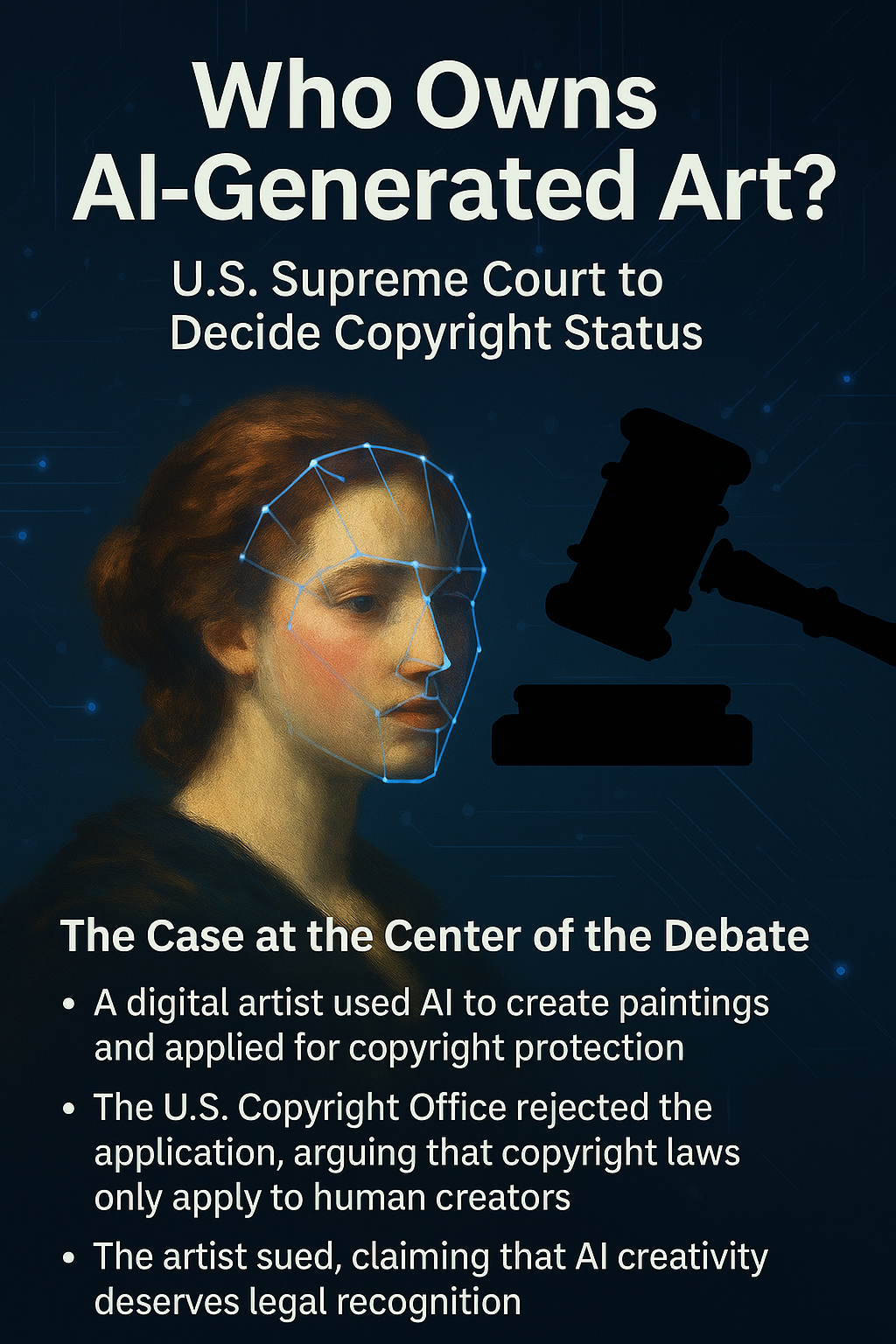
C. AI-generated media content
Authorship issues.
D. Cross-border regulation
Varying copyright laws globally.
9. Best Governance Practices for Media Companies
Establish dedicated IP governance committees.
Implement strong copyright clearance processes.
Maintain centralized IP asset databases.
Conduct regular IP audits.
Use automated copyright monitoring tools.
Draft clear creator contracts.
Maintain compliance with platform regulations.
10. Conclusion
IPR forms the core asset base of media corporations, making corporate governance essential for protecting and monetizing intellectual property. Case laws demonstrate that governance structures must clearly define ownership, manage licensing, prevent infringement, and balance artistic freedom with trademark protection. Effective governance reduces litigation risks, strengthens brand value, and ensures sustainable exploitation of media IP assets.
RELATED Blog



comments