



Ipr In AI-Assisted Robotic Ip Licensing.
1. Introduction: IPR in AI-Assisted Robotics
AI-assisted robotics combines machine learning algorithms, computer vision, and robotic hardware to create intelligent systems capable of performing tasks autonomously or semi-autonomously. Intellectual property (IP) in this field can include:
Patents: For inventions like robotic mechanisms or AI algorithms.
Copyrights: For AI software code, datasets, and human-AI generated works.
Trade Secrets: Proprietary algorithms, robotic designs, or control systems.
Licensing: Grants rights to use AI-assisted robotic technology while protecting IP ownership.
Challenges in AI-Assisted Robotics IPR:
Determining inventorship when AI contributes to an invention.
Licensing AI algorithms embedded in robots.
Ownership of AI-generated inventions.
Enforcing patents across jurisdictions.
2. Key Legal Areas and Case Laws
A. Patent Law and AI-Assisted Robotics
1. DABUS Case (2019-2022) – Thaler v. Commissioner of Patents (Australia, UK, US)
Facts: Dr. Stephen Thaler filed patents naming an AI system, DABUS, as the inventor. The patent applications involved AI-generated inventions.
Issue: Can AI be recognized as an inventor under patent law?
Court Decisions:
Australia: Initially allowed, later overturned on formal grounds.
UK: Court rejected AI as an inventor, emphasizing “inventor must be a natural person.”
US (USPTO): Patents rejected for listing AI as inventor.
Significance: Shows that AI-assisted inventions are patentable only if a human is listed as inventor, impacting licensing agreements.
Key takeaway for licensing: Companies must identify human contributors in AI-assisted robotic inventions to enforce patents.
2. Amazon One-Click Patent Case (Amazon v. Barnes & Noble, 1999-2002)
Facts: Amazon patented a “1-Click” online ordering system. Barnes & Noble allegedly copied it.
Issue: Whether the patented software process infringed.
Outcome: Settled out of court. Amazon’s patent was enforceable.
Significance: Highlights software patents in AI-assisted automation, particularly relevant to robotic e-commerce systems.
3. IBM Watson AI Patent Licensing
Facts: IBM’s Watson AI system was used in healthcare and robotics automation. IBM patented many AI algorithms.
Licensing Model: IBM licensed Watson to hospitals and robotics firms, protecting IP while enabling collaboration.
Significance: Demonstrates AI-assisted IP licensing, where AI software embedded in robotics is licensed while patents protect inventions.
B. Copyrights in AI-Assisted Robotics
1. Naruto v. Slater (2018) – Monkey Selfie Case (US)
Facts: A monkey took a selfie using a camera. Photographers claimed copyright.
Decision: US courts held copyright requires human authorship, so AI or animals cannot hold copyright.
Significance: In AI-assisted robotics, if a robot generates an image or a design autonomously, human involvement is needed for copyright protection.
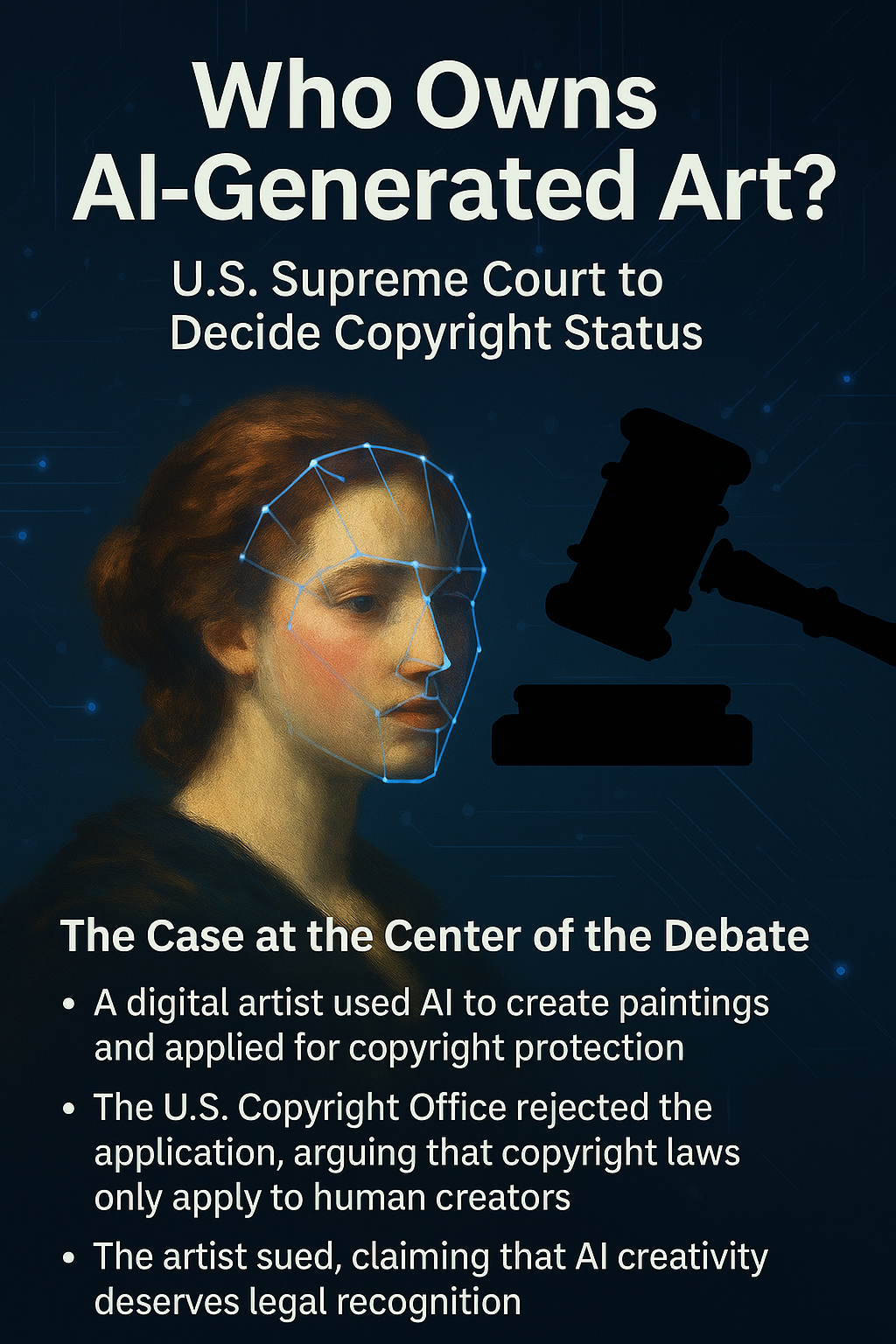
2. Thaler v. Commissioner of Patents (related to AI-generated works, US and EU)
Facts: As above, the question arose if AI-generated creations could receive IP protection.
Significance: Courts consistently ruled that AI cannot be recognized as a legal author, affecting licensing deals where AI generates outputs.
C. Trade Secrets and AI-Assisted Robotics
Case Example: Waymo v. Uber (2017-2018)
Facts: Waymo (Google’s self-driving unit) sued Uber for stealing trade secrets related to LIDAR technology used in autonomous vehicles (AI-assisted robotics).
Outcome: Uber settled for $245 million in stock and agreed not to use Waymo’s trade secrets.
Significance:
Highlights trade secret protection for AI algorithms in robotics.
Licensing agreements must include confidentiality clauses for AI-assisted robotic technology.
D. Licensing in AI-Assisted Robotics
1. Boston Dynamics Licensing Agreements
Boston Dynamics licenses robots like Spot for commercial use.
Licensing agreements include:
Software IP ownership
Restrictions on reverse engineering
Liability clauses for AI decisions made by robots
2. General Motors and AI-Assisted Robotics in Manufacturing
GM licenses AI robotic software for assembly lines.
Ensures:
Patents on robotic mechanisms remain with GM
AI improvements by licensee may be co-owned or revert to GM
3. Key Takeaways for IPR in AI-Assisted Robotic Licensing
AI cannot be an inventor or author under current laws (Thaler/DABUS, Naruto).
Humans must be listed as inventors for patent protection.
Trade secrets are critical in AI-assisted robotics, especially when algorithms cannot be patented.
Licensing must clearly define ownership of improvements, outputs, and software updates.
International IP laws vary, making cross-border licensing complex.
4. Summary Table of Cases
| Case | Year | Jurisdiction | Key Issue | Outcome | Relevance to AI Robotics |
|---|---|---|---|---|---|
| Thaler v. Commissioner of Patents (DABUS) | 2019-22 | AUS, UK, US | AI as inventor | Rejected | Human inventorship required for patent licensing |
| Amazon One-Click Patent | 1999-2002 | US | Software patent | Settled | Software patents in robotic automation |
| Naruto v. Slater | 2018 | US | Copyright authorship | Rejected | AI/robots cannot hold copyright |
| Waymo v. Uber | 2017-18 | US | Trade secret theft | $245M settlement | Protecting AI-assisted robotic tech |
| IBM Watson Licensing | 2010s | US | AI patent licensing | Active licensing | Model for AI-assisted IP licensing |
RELATED Blog



comments