



Ipr In AI-Assisted Influencer Content Ip.
AI-assisted influencer content refers to content generated or enhanced by artificial intelligence—like videos, images, text, or deepfake avatars—that influencers use for marketing on social media, e-commerce, or digital campaigns. The legal landscape is complex because multiple layers of intellectual property rights (IPR) intersect:
Key IP Rights in AI-Assisted Influencer Content
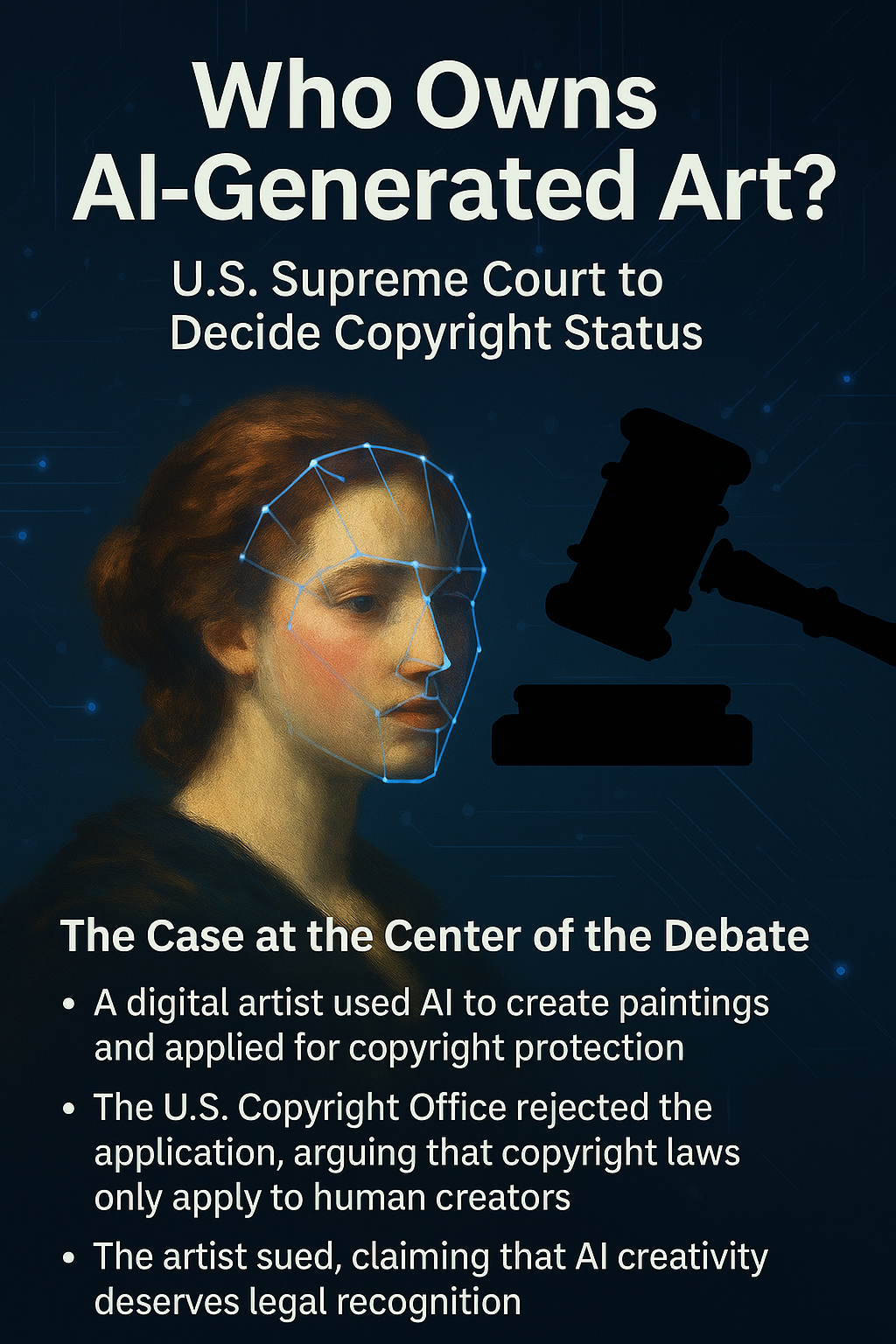
Copyright
Covers AI-generated graphics, video, music, captions, and enhanced influencer content.
Issues arise over whether the AI, influencer, or platform owns the copyright.
Licensing agreements and DMCA enforcement play a major role.
Trademark
Includes branding, logos, slogans, or influencer handles used in AI-generated content.
Unauthorized AI use of a brand in influencer content can lead to trademark infringement or dilution.
Right of Publicity / Personality Rights
Using an influencer’s likeness, voice, or persona via AI requires consent.
Unauthorized AI replication can violate personality rights.
Trade Secrets / Proprietary Techniques
AI algorithms and content creation workflows may be proprietary to the influencer, agency, or platform.
Misappropriation claims may arise if AI replicates secret techniques.
Contractual and Licensing Agreements
Contracts define AI usage rights, content ownership, revenue sharing, and cross-platform distribution.
Licensing is crucial for AI tools, music, stock footage, and third-party IP integrated into influencer content.
Corporate / Individual Enforcement Strategies
Copyright Enforcement
DMCA takedowns, litigation against unauthorized replication, and AI platform monitoring.
Register AI-generated content to strengthen enforcement claims.
Trademark Enforcement
Prevent unauthorized AI-generated content using brands or influencer names.
Customs and platform enforcement may apply in case of AI-driven merchandise.
Right of Publicity Enforcement
Ensure consent for AI avatars or deepfake use of influencer likeness.
Litigation or settlements often protect monetization rights.
Trade Secret / Algorithm Protection
NDAs and licensing agreements prevent AI companies or agencies from copying proprietary workflows.
Licensing
Clearly define scope of AI use, derivative works, and monetization rights in contracts.
Cross-border licensing is often necessary for global influencer campaigns.
Case Laws on AI-Assisted Influencer Content IP
Here are seven detailed cases illustrating IP enforcement:
1. Lil Miquela / Brud AI (2019–2020)
Facts: Lil Miquela, a fully AI-generated influencer, used music, images, and branded content in campaigns.
Issue: Copyright and licensing enforcement over AI-generated visuals and music.
Outcome: Brud ensured proper licensing of music, images, and brand collaborations.
Significance: Demonstrates the necessity of preemptive licensing for AI-generated influencer content to prevent infringement.
2. Samsung v. Deepfake Influencer Campaign (2021)
Facts: Samsung discovered an AI-generated influencer using Samsung branding without authorization for marketing in Asia.
Issue: Trademark infringement and unauthorized use of brand assets.
Outcome: Court ruled in favor of Samsung; AI-generated content was removed and damages awarded.
Significance: Shows that AI-generated content is subject to traditional IP and trademark enforcement.
3. Paris Hilton v. Deepfake App (2020)
Facts: Paris Hilton sued an AI deepfake app that generated influencer videos of her likeness promoting products without consent.
Issue: Violation of right of publicity and personality rights.
Outcome: Court granted injunction and awarded damages for unauthorized commercial use.
Significance: Reinforces that AI use of influencer likeness requires explicit consent.
4. Fortnite / Epic Games AI-Influencer Music Enforcement (2022)
Facts: AI-generated influencer avatars promoted Fortnite using copyrighted music without licenses.
Issue: Copyright infringement of music and visual assets.
Outcome: Settlements included licensing agreements with music rights holders.
Significance: AI influencer campaigns must include licensing for any third-party copyrighted content.
5. Instagram v. AI Content Creator (2021)
Facts: Influencer created AI-generated posts using Instagram filters and music, then commercialized them.
Issue: Breach of platform terms and copyright misuse.
Outcome: Instagram issued takedown notices; influencer agreed to licensing terms.
Significance: Shows platforms can enforce IP rules against AI-generated influencer content.
6. Shudu AI / Model Replication Dispute (2019–2020)
Facts: Shudu, a virtual AI model, generated influencer content resembling human models for fashion campaigns.
Issue: Alleged unauthorized replication of real model’s look and posing style.
Outcome: Legal teams settled by clarifying AI-generated content rights and licensing stock poses.
Significance: Demonstrates trade secret-like protection for unique modeling techniques used by AI.
7. TikTok v. AI Content Aggregator (2022)
Facts: AI tools republished TikTok influencer content without licensing agreements for commercial purposes.
Issue: Copyright infringement and violation of influencer content IP.
Outcome: Platforms and courts required removal and licensing agreements for commercial AI use.
Significance: Corporate enforcement requires monitoring AI-driven republishing and monetization.
Key Takeaways for AI-Assisted Influencer Content IP
Always License Third-Party Content – music, stock visuals, and software used in AI content.
Protect Likeness and Personality Rights – consent agreements prevent legal disputes.
Register Copyrights for AI-Generated Work – strengthens enforcement against unauthorized use.
Enforce Trademarks and Branding – prevent misuse in AI-generated campaigns.
Trade Secret & Algorithm Protection – safeguard proprietary AI workflows.
Cross-Platform Licensing – ensure contracts cover global social media and influencer platforms.
Monitoring & Enforcement – use DMCA takedowns, cease-and-desist letters, and arbitration to prevent IP misuse.
RELATED Blog



comments