



Criminal Procedure Code at Sri Lanka
The Criminal Procedure Code (CPC) of Sri Lanka governs the legal framework for the investigation, prosecution, trial, and punishment of criminal offenses in the country. It ensures the protection of the rights of the accused, the victim, and society, while establishing procedures that must be followed in criminal proceedings. Sri Lanka’s criminal procedure system is primarily influenced by English common law, and its provisions are designed to ensure a fair and just legal process.
Here is an overview of key features of the Criminal Procedure Code of Sri Lanka:
1. Investigation Phase:
Initiation of Criminal Proceedings: Criminal proceedings in Sri Lanka can be initiated when the police become aware of a crime, either through a report, complaint, or their own observations. A complaint can be made by any person, and it may lead to the opening of an investigation.
Role of the Police: The Sri Lanka Police are responsible for conducting the investigation of criminal offenses. They gather evidence, question witnesses, arrest suspects, and carry out searches. The police must follow certain procedures to ensure that the rights of the accused are respected during investigations.
Search and Seizure: To conduct a search of a person or premises, the police generally need a search warrant from a magistrate. In certain urgent cases, police may conduct searches without a warrant.
Arrest: A person may be arrested if there is reasonable suspicion they have committed a criminal offense. The police must inform the person of the reasons for their arrest and allow them to contact a lawyer. Arrested individuals must be brought before a magistrate within 24 hours.
2. Rights of the Accused:
Right to Legal Representation: An accused person has the right to a lawyer at all stages of the criminal process. If the accused cannot afford a lawyer, they may apply for legal aid through the Legal Aid Commission.
Right to Remain Silent: The accused has the right to remain silent during questioning or trial. The failure to testify cannot be used to infer guilt.
Presumption of Innocence: The presumption of innocence is fundamental, meaning that the accused is considered innocent until proven guilty. The prosecution has the burden of proving the defendant’s guilt beyond a reasonable doubt.
Right to a Fair Trial: The accused is entitled to a fair and public trial by an impartial court. This includes the right to know the charges, access evidence, and have a reasonable opportunity to present a defense.
Right to Bail: In most cases, the accused is entitled to bail while awaiting trial, except in serious cases or where there is a risk of flight or tampering with evidence.
3. Pre-Trial Procedures:
Preliminary Investigation: Once a crime is reported, the police conduct a preliminary investigation to determine whether there is sufficient evidence to charge the suspect. If the evidence is sufficient, the case is referred to the Magistrate's Court for further action.
Role of the Public Prosecutor: The public prosecutor plays a central role in criminal proceedings in Sri Lanka. The prosecutor oversees the investigation, reviews the evidence, and files formal charges if there is sufficient evidence to proceed to trial.
Charges and Indictment: The Magistrate's Court may issue formal charges after reviewing the investigation report from the police. In serious cases, the matter may be sent to the High Court for trial, where the prosecutor will present the case.
Summons and Arrest Warrants: The magistrate may issue a summons to bring the accused before the court for minor offenses. For more serious offenses or if the accused does not respond to a summons, an arrest warrant may be issued.
4. Trial Process:
Court Structure: Sri Lanka has a hierarchical court system, consisting of:
Magistrate’s Courts: Handle less serious offenses (misdemeanors) and pretrial procedures.
High Court: Handles more serious crimes (felonies) and appeals from Magistrate’s Courts.
Court of Appeal: Hears appeals from the High Court and other lower courts.
Supreme Court: The highest court in Sri Lanka, which handles constitutional and other important legal matters.
Role of the Judge: Trials are generally conducted before a single judge or a panel of judges in the case of more serious crimes. In Magistrate’s Courts, trials for minor offenses are usually decided by a magistrate, while High Court trials involve a judge or a jury.
Burden of Proof: The prosecution has the burden of proving the guilt of the accused beyond a reasonable doubt. The defense is not required to prove innocence but may present evidence and cross-examine the prosecution's witnesses.
Trial by Jury: Sri Lanka does not use jury trials for criminal cases. Instead, the trial is conducted by a judge or panel of judges who make the final judgment.
Witnesses and Evidence: Both the prosecution and the defense can call witnesses and present evidence. Witnesses are expected to testify in court, and both sides have the opportunity to challenge the testimony of the other party’s witnesses.
5. Sentencing:
Penalties: The court may impose various penalties depending on the severity of the crime:
Imprisonment: For serious offenses, the court may impose a prison sentence.
Fines: For minor offenses, the court may impose a fine.
Suspended Sentence: A suspended sentence allows the convicted person to avoid imprisonment if they meet certain conditions (e.g., probation or good behavior).
Community Service: The court may order the offender to perform community service instead of serving a prison sentence for certain offenses.
Probation: In some cases, the court may impose probation, which allows the offender to remain in the community under supervision and comply with specific conditions.
Aggravating and Mitigating Factors: When determining the sentence, the court considers factors such as the severity of the crime, previous criminal history, remorse, and any other factors that may affect the sentence.
6. Appeals:
Right to Appeal: Both the defendant and the prosecution have the right to appeal a conviction or sentence. Appeals are heard by the Court of Appeal, and in certain cases, the Supreme Court may intervene.
Grounds for Appeal: Appeals can be based on errors in law, procedural irregularities, or the discovery of new evidence that could affect the outcome of the case.
Finality of Judgment: The decision of the Supreme Court is final, and no further appeals are allowed.
7. Special Procedures:
Juvenile Justice: Juveniles (individuals under the age of 18) who commit crimes are treated differently from adults. Sri Lanka has special provisions for juvenile offenders, including the possibility of rehabilitation rather than punishment, and juvenile courts that focus on the welfare of the child.
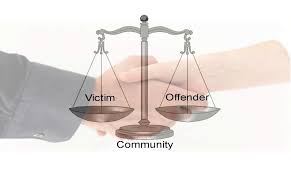
Restorative Justice: Sri Lanka is moving towards the use of restorative justice practices in criminal proceedings, especially in cases involving minor offenses or first-time offenders. Restorative justice focuses on rehabilitation, victim-offender reconciliation, and community-based solutions.
Protection of Victims: Sri Lankan law provides special protection for victims of certain crimes, such as sexual offenses or domestic violence. Victims are given the right to participate in the trial and may be offered protective measures, such as closed hearings or anonymous testimony.
Witness Protection: In serious criminal cases, especially involving organized crime or terrorism, Sri Lanka has provisions for witness protection, which may include identity protection, relocation, or other security measures.
8. International Cooperation:
Extradition: Sri Lanka has extradition agreements with several countries, which allows for the transfer of suspects or convicted persons who flee the country. Extradition is governed by treaties and international law.
International Criminal Law: Sri Lanka cooperates with international bodies like the International Criminal Court (ICC) and Interpol in prosecuting crimes that have international implications, such as terrorism, human trafficking, and drug trafficking.
Conclusion:
Sri Lanka's Criminal Procedure Code aims to provide a balanced and fair process for handling criminal offenses, ensuring that both the rights of the accused and the interests of justice are respected. It is designed to adhere to constitutional guarantees and international human rights standards while ensuring that criminal proceedings are efficient, transparent, and effective.
RELATED Blog








comments