



Criminal Law Zimbabwe
Criminal law in Zimbabwe is primarily governed by the Criminal Law (Codification and Reform) Act, which came into effect in 2006. This Act is the central piece of legislation for criminal offenses and penalties in Zimbabwe. The criminal justice system also operates under the broader framework of the Constitution of Zimbabwe and various other laws, regulations, and common law principles.
Here’s a breakdown of key aspects of criminal law in Zimbabwe:
1. Sources of Criminal Law
- The Criminal Law (Codification and Reform) Act is the main statute for criminal offenses, penalties, and the criminal justice system.
- Common Law: Zimbabwe follows the common law system, which is influenced by English law due to the country’s colonial history.
- Constitution: The Constitution of Zimbabwe (2013) guarantees basic human rights and freedoms, and the criminal justice system must operate within these constitutional protections.
2. Types of Crimes
Zimbabwean criminal law recognizes two main categories of crimes:
- Felonies (Serious Crimes): These include major offenses like murder, rape, armed robbery, fraud, and drug trafficking.
- Misdemeanors (Less Serious Crimes): These include petty theft, assault, public disturbances, and traffic violations.
There are also offenses against public morality such as adultery and homosexuality (though the latter is criminalized in Zimbabwe).
3. Penalties
- Death Penalty: Although the death penalty remains legal in Zimbabwe, its use has been very rare in recent years. Most individuals sentenced to death are often commuted to life imprisonment.
- Imprisonment: For most serious crimes, imprisonment is the common form of punishment. Sentences can vary based on the severity of the offense.
- Fines: Fines are commonly imposed for lesser crimes, such as traffic violations, theft, or some offenses related to public morality.
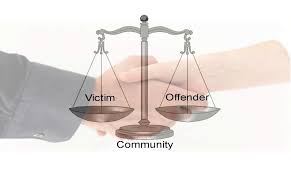
- Community Service: In certain cases, offenders may be sentenced to community service as an alternative to imprisonment.
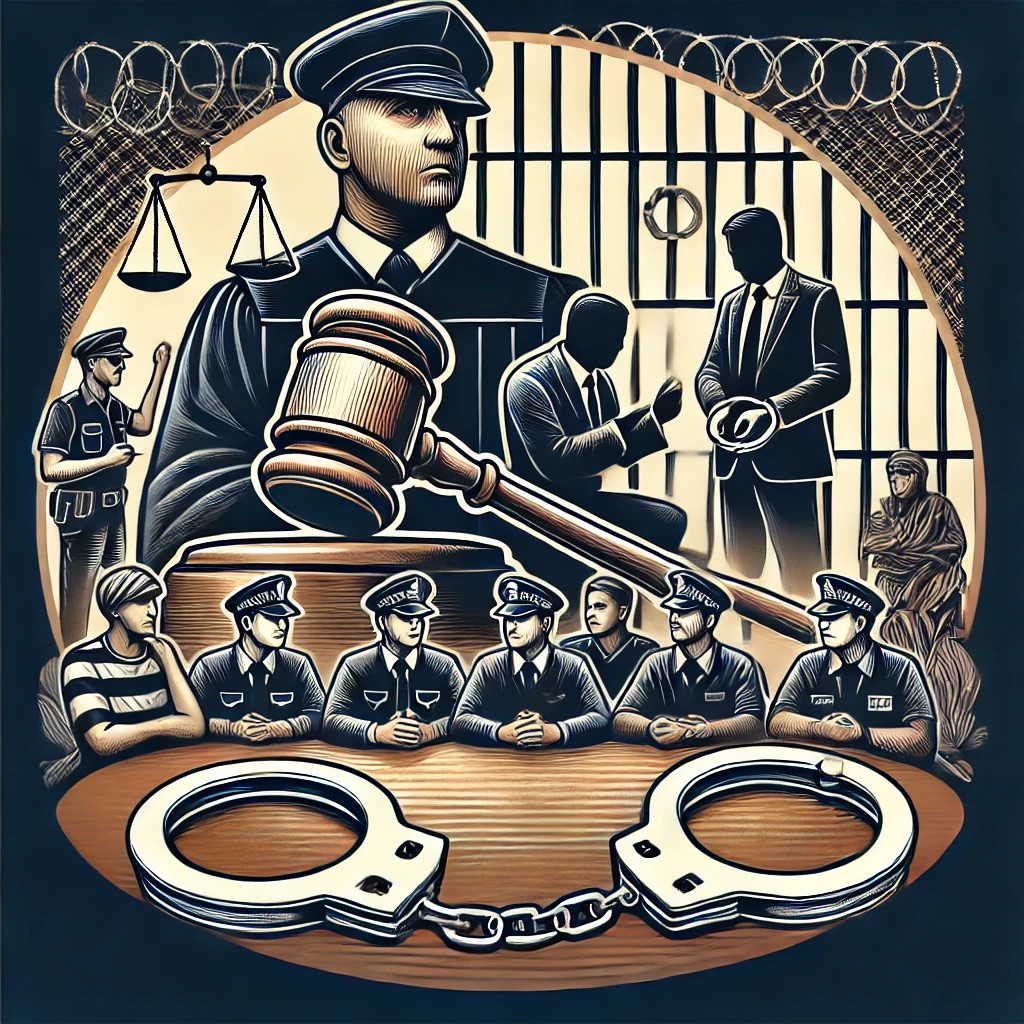
4. Criminal Justice System
- Police and Investigation: Law enforcement in Zimbabwe is carried out by the Zimbabwe Republic Police (ZRP), which is responsible for investigating crimes and apprehending suspects. Police officers have the authority to arrest suspects, conduct searches, and collect evidence.
- Prosecution: Criminal cases are typically prosecuted by public prosecutors who represent the state in legal proceedings. They handle the charging of individuals and presentation of cases before the courts.
- Courts:
- Magistrates' Courts: Handle less serious criminal offenses and preliminary hearings for more serious cases.
- High Court: Handles more serious crimes, including murder, rape, and cases involving major offenses.
- Supreme Court: This is the highest appellate court, and its primary function is to hear appeals and ensure the correct application of law.
- Special Courts: Certain specific offenses may be tried in specialized courts, such as drug courts or juvenile courts.
5. Criminal Procedure
- Arrest and Detention: Individuals can be arrested based on a warrant or for committing a crime in the presence of a law enforcement officer. Suspects have the right to be informed of the charges against them and the right to legal representation.
- Bail: Bail is generally available for most offenses, though for serious crimes (such as murder or terrorism), the court may deny bail.
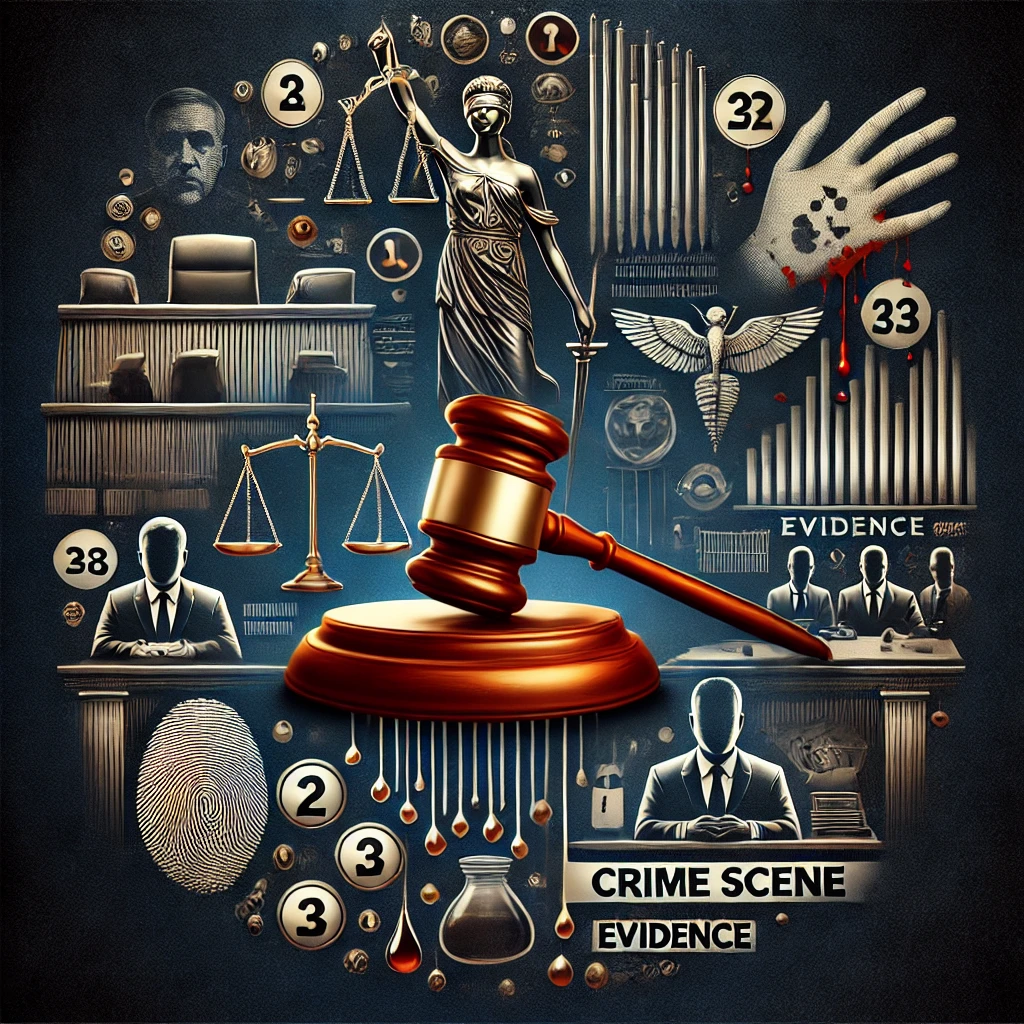
- Trial: Trials in Zimbabwe are generally conducted in an open court, and the accused is presumed innocent until proven guilty. The right to a fair trial, including legal representation, is guaranteed by the Constitution.
- Appeals: If a defendant is convicted, they have the right to appeal the verdict or sentence to a higher court.
6. Rights of the Accused
- Constitutional Rights: The Constitution of Zimbabwe guarantees fundamental rights, including:
- Right to remain silent: Suspects cannot be compelled to testify against themselves.
- Right to a fair trial: Every accused person has the right to a trial by an independent and impartial court.
- Right to legal representation: The accused has the right to be represented by an attorney.
- Right to an interpreter: If the accused does not speak the language of the court, they have the right to an interpreter.
- Protection from torture and ill-treatment: Any form of torture or ill-treatment during arrest or detention is prohibited.
7. Criminal Law Reforms
- Over the years, Zimbabwe has made several efforts to reform its criminal laws. The Criminal Law (Codification and Reform) Act of 2006 was a significant overhaul, consolidating and modernizing the law. It also criminalized some acts that were previously unaddressed, such as human trafficking.
- Recent reforms also focus on de-criminalizing certain offenses, especially those related to minor offenses or those that conflict with international human rights norms.
8. Notable Crimes
- Murder and Manslaughter: Murder (premeditated killing) and manslaughter (unintentional killing) are serious criminal offenses, and convicted individuals face severe penalties.
- Sexual Offenses: Rape and sexual assault are punishable offenses under Zimbabwean criminal law, and there are specific laws aimed at protecting women, children, and vulnerable groups from sexual exploitation.
- Corruption: Corruption has been a significant issue, and Zimbabwe has laws to combat corruption, though enforcement has often been inconsistent.
- Drug Offenses: The possession, trafficking, or manufacturing of illegal drugs, especially cannabis, are serious criminal offenses in Zimbabwe.
9. Human Rights and International Law
- Zimbabwe is a signatory to several international treaties aimed at protecting human rights, such as the International Covenant on Civil and Political Rights (ICCPR). However, human rights organizations have raised concerns over the consistent application of these rights, particularly in the context of political repression, arrests of activists, and violations of freedom of speech and assembly.
- Human rights abuses: There have been concerns about the misuse of the criminal justice system for political purposes, including the arrest of political opponents, human rights defenders, and journalists.
Conclusion
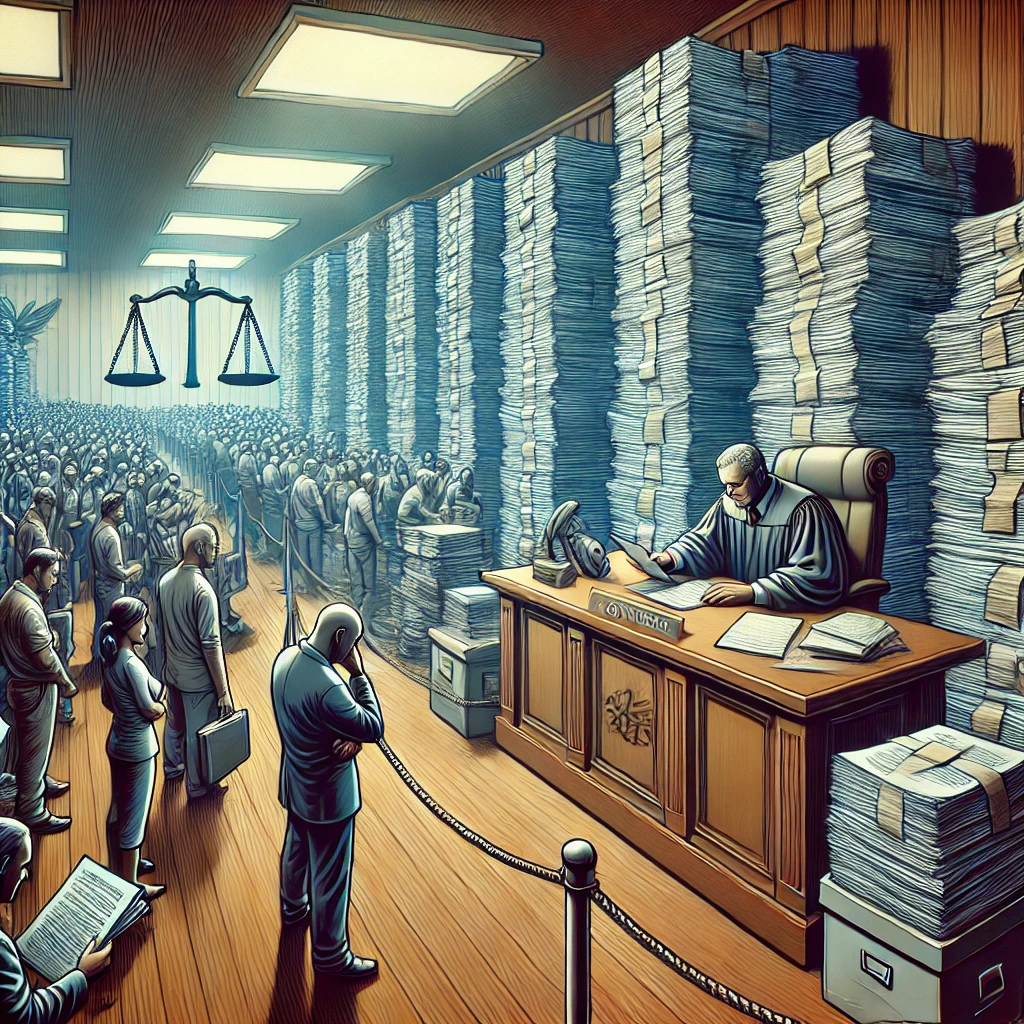
Zimbabwe's criminal law system is influenced by both traditional criminal codes and constitutional rights, with a significant focus on maintaining public order and safety. Despite the presence of established laws, there are ongoing challenges related to fair trials, human rights abuses, and corruption, which can sometimes undermine the effectiveness and fairness of the system. Reform efforts continue to improve the application of justice, but political influences and resource constraints often hinder progress.
RELATED Blog



comments