



Copyrights Law in Guernsey (Crown Dependency)
Guernsey, a British Crown Dependency, operates its own legal system and has established a robust framework for intellectual property (IP) protection, including copyright. The primary legislation governing copyright in Guernsey is the Copyright (Bailiwick of Guernsey) Ordinance, 2005, which aligns closely with UK law and international standards.
📘 Overview of Guernsey's Copyright Law
1. Automatic Protection
Copyright protection in Guernsey is automatic upon the creation of an original work fixed in a tangible medium. There is no requirement for formal registration, although registering works can provide evidence of ownership and may be beneficial in legal disputes.
2. Protected Works
The Ordinance covers a wide range of works, including:
Literary works
Dramatic works
Musical compositions
Artistic works (e.g., paintings, sculptures, photographs)
Sound recordings
Films
Broadcasts
Typographical arrangements of published editions
Software and computer code are treated as literary works and are protected under the same terms.
3. Duration of Protection
The duration of copyright protection varies depending on the type of work:
Literary, dramatic, musical, and artistic works: Life of the author plus 70 years.
Anonymous or pseudonymous works: 70 years from the end of the calendar year in which the work was made or first made available to the public, whichever is later.
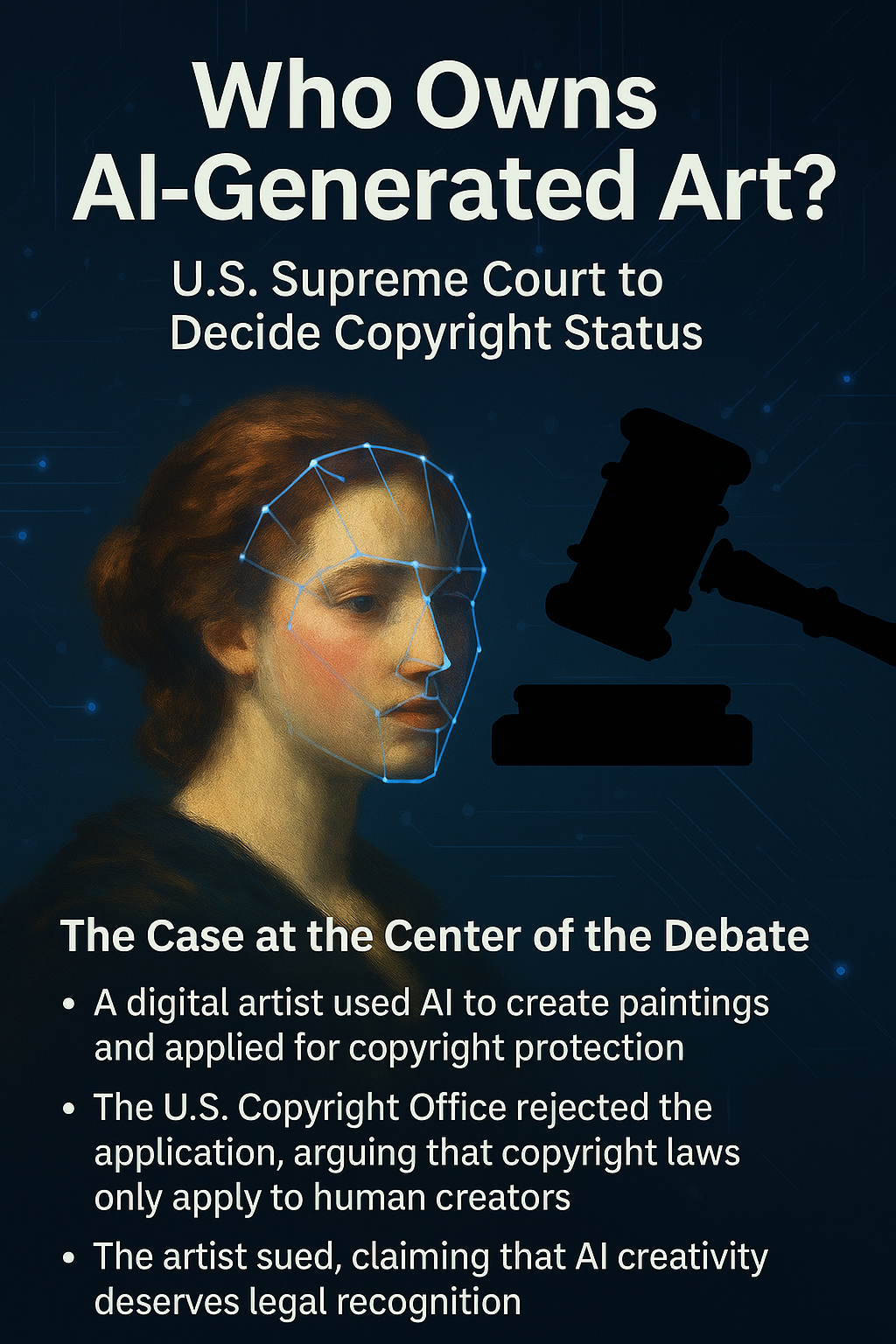
Computer-generated works: 50 years from the end of the calendar year in which the work was made.
Sound recordings and films: 50 years from the end of the calendar year in which the recording or film was made, published, or communicated to the public, whichever is later.
Joint works: 70 years from the end of the calendar year in which the last surviving author dies.
4. Moral Rights
Authors in Guernsey enjoy moral rights, which include:
The right to attribution (the right to be identified as the author of a work).
The right to object to derogatory treatment of the work that may prejudice the author's honour or reputation.
5. Fair Dealing
Guernsey's copyright law allows for certain uses of copyrighted works without the author's permission under the doctrine of fair dealing. Permitted uses include:
Research or private study
Criticism or review
Reporting current events
These uses must be fair and not conflict with the normal exploitation of the work.
🌐 International Treaties
Guernsey is a party to several international treaties that facilitate the protection of copyrighted works across borders:
Berne Convention for the Protection of Literary and Artistic Works: Provides automatic copyright protection in all member countries.
Rome Convention for the Protection of Performers, Producers of Phonograms and Broadcasting Organisations: Secures protection for performers, producers of phonograms, and broadcasting organisations.
WIPO Copyright Treaty (WCT): Addresses copyright issues in the digital environment.
WIPO Performances and Phonograms Treaty (WPPT): Deals with the rights of performers and producers of phonograms in the digital environment.
Marrakesh Treaty to Facilitate Access to Published Works for Persons Who Are Blind, Visually Impaired, or Otherwise Print Disabled: Makes the production and international transfer of specially adapted books for people with blindness or visual impairments easier.
Agreement on Trade-Related Aspects of Intellectual Property Rights (TRIPS): Establishes minimum standards for the regulation of different forms of intellectual property
🛡️ Enforcement and Protection
While Guernsey does not have a formal copyright registry, copyright holders can enforce their rights through civil litigation in the Royal Court of Guernsey. The Guernsey Intellectual Property Office (IPO) provides guidance and support for IP matters, including copyright.
RELATED Blog



comments