



Biometric Approval Replay Disputes in USA
Core Legal Issues in Biometric Replay/Approval Disputes
Courts typically analyze:
- Informed consent before biometric collection
- Retention and destruction policies
- Unauthorized storage or sharing of biometric identifiers
- Whether a biometric “authentication event” can be reused or replicated (replay attack)
- Standing (whether plaintiffs suffered injury even without financial harm)
- Strict liability under statutes like BIPA
Key Case Laws (U.S.) on Biometric Approval / Replay-Type Disputes
1. Rosenbach v. Six Flags Entertainment Corp. (2019, Illinois Supreme Court)
Principle: Mere violation of BIPA is enough to sue.
- Six Flags collected fingerprints for entry passes.
- Plaintiff argued no proper informed consent was obtained.
- Court held: a person is “aggrieved” even without actual harm.
Legal Impact:
- Opened floodgates for biometric privacy lawsuits.
- Established that procedural violations alone create liability.
2. Patel v. Facebook, Inc. (2019, 9th Circuit Court of Appeals)
Principle: Biometric profiling without consent violates privacy rights.
- Facebook used facial recognition (“Tag Suggestions”).
- Plaintiffs claimed unauthorized biometric template creation.
- Court allowed class action under BIPA to proceed.
Legal Impact:
- Confirmed facial geometry templates are biometric identifiers.
- Strengthened liability for large-scale biometric systems.
3. Cothron v. White Castle System, Inc. (2023, Illinois Supreme Court)
Principle: Each scan may be a separate violation.
- Employee used fingerprint system daily for authentication.
- Question: Is each scan a separate BIPA violation?
- Court ruled: yes, each unauthorized scan can trigger a claim.
Legal Impact:
- Massive expansion of damages exposure.
- Critical for “replay” disputes where biometric data is reused repeatedly.
4. Bryant v. Compass Group USA, Inc. (2020, Illinois Supreme Court)
Principle: Distinguishes types of biometric data handling claims.
- Employee used fingerprint-based vending machines.
- Court clarified different sections of BIPA (collection vs disclosure).
Legal Impact:
- Helped define what constitutes “collection” and “disclosure.”
- Important for replay scenarios where biometric data is transmitted or reused.
5. Fox v. Dakkota Integrated Systems, LLC (2023, Illinois Supreme Court)
Principle: Retention violations are independently actionable.
- Employer retained fingerprint data after employment ended.
- Plaintiff claimed improper storage and failure to destroy data.
Legal Impact:
- Reinforced strict compliance obligations.
- Relevant where biometric data is reused or “replayed” after termination.
6. In re Facebook Biometric Information Privacy Litigation (N.D. California / 9th Circuit proceedings)
Principle: Large-scale biometric aggregation can trigger statutory privacy violations.
- Facebook’s “face template database” challenged.
- Settlement approved for hundreds of millions of dollars.
Legal Impact:
- Demonstrates systemic risk in biometric “replayable templates.”
- Confirmed that biometric vectors are legally protected identifiers.
7. Monroy v. Shutterfly, Inc. (2016, N.D. California)
Principle: Sharing biometric data with third parties requires consent.
- Shutterfly allegedly stored facial images without proper disclosure.
- Claims centered on unauthorized biometric database creation.
Legal Impact:
- Early case recognizing facial images as biometric identifiers.
- Expanded scope of biometric privacy beyond fingerprints.
How These Cases Relate to “Replay Disputes”
In modern biometric systems, a “replay” issue arises when:
- A stored fingerprint/face template is reused to authenticate a user without fresh verification
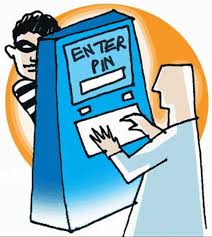
- Hackers spoof biometric input using lifted templates
- Companies reuse biometric data across systems without renewed consent
U.S. courts generally treat these situations under three legal theories:
1. Unauthorized Retention
Biometric data stored longer than permitted (Fox v. Dakkota)
2. Unauthorized Reuse / Re-collection
Each new authentication scan may be treated as a new violation (Cothron v. White Castle)
3. Lack of Informed Consent
Failure to properly disclose biometric usage (Rosenbach v. Six Flags, Patel v. Facebook)
Key Legal Takeaways
- U.S. law does not yet explicitly regulate “replay attacks,” but courts treat them as privacy and consent violations
- Illinois BIPA is currently the strongest biometric protection law in the U.S.
- Courts interpret biometric scans as continuing, repeatable events, increasing liability exposure
- Employers and tech companies face strict liability even without financial harm to users
RELATED Blog








comments